
Propagation
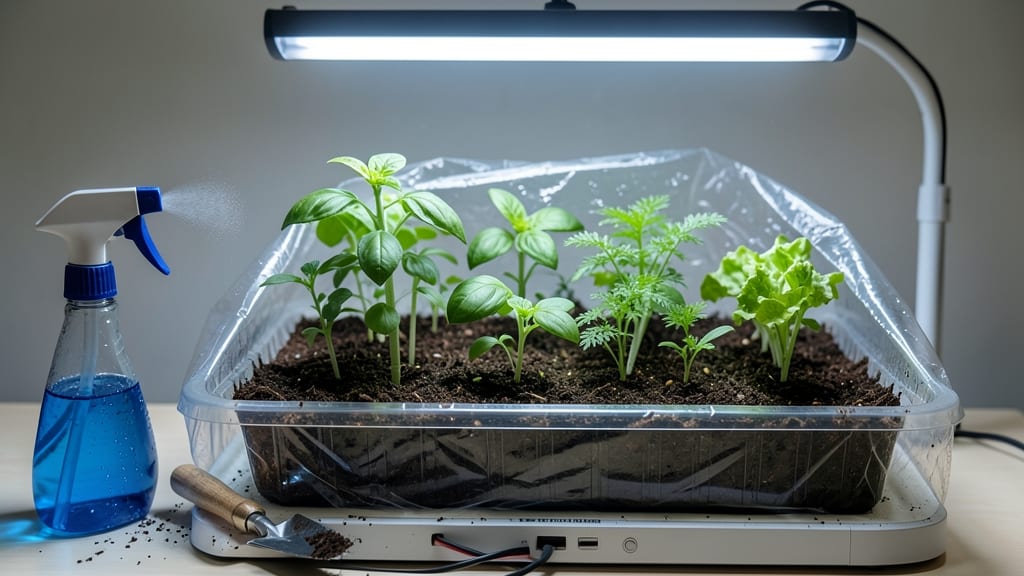
How to germinate seeds quickly indoors doesn’t have to take weeks—this paper towel speed method gets you 90% success in just 3-7 days. 🌱 I’ve used it for everything from delicate herbs to stubborn heirloom tomatoes, and the results speak for themselves: faster sprouts, stronger seedlings, and fewer failed batches. The secret lies in controlling moisture, warmth, and light without overcomplicating the process.
You’ll need just five simple supplies: high-quality paper towels, a shallow container (like a plastic takeout tray), a spray bottle, a plastic bag, and a warm spot near a grow light or sunny window. No fancy equipment—just the right conditions to trick seeds into thinking spring has arrived.
This method works best for slow-to-germinate seeds like peppers, tomatoes, and parsley, but even fast germinators like radishes benefit from the head start.
By the time you’re ready to transplant, your seedlings will be sturdy and ready to grow, not leggy or weak from waiting. The process is foolproof once you know the key steps: soaking seeds overnight, maintaining 75-85°F warmth, and keeping the towels damp but not soggy.
You’ll avoid the frustration of waiting 2-3 weeks for germination while watching seedlings outpace their containers.
This technique adapts to any seed type—just adjust the timing and moisture based on the seed’s needs. Whether you’re a first-time gardener or a seasoned pro, the paper towel method cuts the guesswork and gives you visible progress within days. Ready to see those first green shoots break through?
📚 In This Guide
- What you need
- Instructions
- Tips and common mistakes
- Wrapping up and next steps
What you need
- ● Seeds: Fresh, high-quality seeds (check the packet for germination rates—aim for 90%+). Quantity: 10–20 seeds (adjust based on your project).
- ● Paper towels: 2–3 unbleached, seedling-safe paper towels per batch (avoid scented or recycled towels).
- ● Spray bottle: 8–16 oz with a fine mist nozzle (for gentle hydration).
- ● Plastic bag or container: A ziplock bag (quart-size) or a clear plastic container with a lid (e.g., Tupperware).
- ● Plate or tray: A shallow, flat dish (e.g., 9x13-inch baking tray) to hold the setup.
- ● Water: Room-temperature, dechlorinated (let tap water sit out for 24 hours or use filtered water).
- ○ Heat mat (optional): A seedling heat mat (set to 70–85°F) to speed up germination by 30–50%.
- ○ Grow lights (optional): A full-spectrum LED (e.g., 12–15W) for post-germination light exposure (once sprouts appear).
- ● Label markers: Waterproof pens or small flags to track seed types (especially useful for beginners!).
- ○ Humidity dome (optional): A clear plastic cloche or DIY version (e.g., cut plastic bottle) to maintain moisture.
- ● Seedling pots (for transplanting): 2–4 inch biodegradable pots or cell packs (fill with sterilized potting mix).
Step-by-Step instructions for the paper towel seed germination method
This foolproof technique gets seeds sprouting in days instead of weeks—ideal for impatient gardeners.
🌱 Step 1: Prepare Your Seeds and Paper Towels
Start with fresh seeds—old seeds (over a year) germinate poorly no matter the method. Fold a clean paper towel into a rectangle about 12x18 inches, then place 4-6 seeds in a single row along the center, spaced 1 inch apart. This spacing prevents crowding when roots emerge.
Moisten the towel with lukewarm water until it feels damp but not dripping—think of a wrung-out sponge. Too much water smothers seeds; too little keeps them dormant. Lay a second dry towel on top and fold the whole stack into a loose packet (not too tight, or roots will strangle). Place the packet inside a ziplock bag to maintain humidity.
💧 Step 2: Create the Ideal Germination Environment
Seeds need warmth to break dormancy—place the bagged towels on a seedling heat mat set to 75-85°F (most mats have a built-in thermostat). If you lack a heat mat, use the top shelf of your fridge for cool-season crops (like lettuce) or a sunny windowsill for warm-season seeds (like tomatoes). Check daily for condensation inside the bag—mist with lukewarm water if the towels dry out.
Germination speed varies by seed type: fast growers (like beans) sprout in 3-5 days, while slow growers (like peppers) take 7-14 days. Watch for tiny white roots peeking from the seed coat—that’s your cue to act. Never let the towels stay soggy; excess moisture invites mold, which can kill seedlings before they even stretch.
☀️ Step 3: Transplant Sprouts to Soil at the Right Time
Once 1-inch roots form (not just a tiny taproot), it’s time to move sprouts to individual pots filled with sterile seed-starting mix. Gently unfold the towels and tease apart seedlings—roots are delicate, so handle them like glass. Plant each sprout ½ inch deep, pressing the soil lightly around the base to anchor it. Water gently with a spray bottle to avoid disturbing the roots.
Place pots under grow lights (or a south-facing window) for 14-16 hours of light daily. Without enough light, seedlings become leggy (long, weak stems) and flop over. You’ll know they’re thriving when the first true leaves (not the initial seed leaves) appear in 7-10 days. Avoid overwatering now—soil should dry slightly between waterings to prevent damping-off, a fungal disease that turns stems to mush overnight.
⏰ Step 4: Harden Off Seedlings Before Outdoor Planting
Two weeks before your last frost date, begin hardening off seedlings by moving them outside for 1-2 hours the first day. Choose a shaded, sheltered spot (like under a porch) to avoid stress from direct sun. Gradually increase outdoor time by 1 hour daily, eventually leaving them out overnight. This acclimates seedlings to wind, temperature swings, and sunlight intensity.
Watch for wilting or yellowing leaves—these are signs of shock. If you see this, move them back inside and extend the hardening process by a few days. Once seedlings tolerate full sun and breezes without stress, they’re ready for the garden. Transplant on a cloudy day or in the late afternoon to reduce transplant shock, and water deeply at the base to settle the soil around roots.
Tips & tricks for perfect indoor seed germination
Here's what nobody tells you about maximizing your seed sprouting success with this speed method.
Seed Selection Matters: Not all seeds respond equally to the paper towel method. Fast growers like beans, peas, and radishes will show roots in just 3-5 days, while slower varieties like tomatoes and peppers may take up to 14 days. For best results, choose seeds labeled "fast-growing" or "quick-sprouting" on the packet. I always check the back of seed packages for recommended germination times—this helps set realistic expectations and prevents disappointment when roots don't appear immediately.
Temperature Precision: The 75-85°F range is critical for breaking seed dormancy. If your heat mat doesn't have precise controls, consider using a small appliance thermometer to monitor the temperature. I've found that even a 5°F drop below 75°F can significantly slow germination. For cooler climates, place your setup on top of your refrigerator (not inside) where it's consistently warmer than room temperature. Never use direct heat sources like lamps—they can dry out your towels too quickly.
Root Length Cue: The instructions mention waiting for 1-inch roots, but here's the visual trick: when roots reach about ½ inch, they'll start curling at the tips. This is your signal to transplant soon—roots this size are strong enough to handle the soil transition. I always check roots against a ruler to avoid waiting too long, which can make seedlings more fragile. Remember, the goal is to move them when they're ready, not when they're overgrown.
Light Transition Strategy: When moving seedlings to pots in Step 3, place them under grow lights immediately—even if they're just peeking above the soil. Those 14-16 hours of light are crucial from day one to prevent leggy growth. I've seen seedlings that got delayed light start with stems so weak they topple over within days. If you're using a windowsill, rotate pots daily so all sides get even exposure, especially if your window isn't south-facing.
Pro Tips for Germinate Seeds Quickly Indoors
- Here's what nobody tells you about maximizing your seed sprouting success with this speed method.
- Seed Selection Matters: Not all seeds respond equally to the paper towel method.
- Temperature Precision: The 75-85°F range is critical for breaking seed dormancy.
Frequently asked questions
Got questions about speedy seed germination? You’re not alone! Here are answers to some of the most common concerns—so you can get those sprouts popping fast.
How long does it take to germinate seeds with the paper towel method?
The paper towel method speeds up germination, but timing varies by plant. Most seeds sprout in 3–7 days, while slower germinators (like tomatoes or peppers) may take 10–14 days. Check your seed packet for specifics—patience is key!
What if my seeds aren’t sprouting after a week?
Don’t panic! First, ensure your seeds are fresh (old seeds germinate poorly). Double-check moisture (towels should stay damp, not soggy) and warmth (70–85°F is ideal). If nothing happens, try soaking seeds overnight in water before restarting the process.
Can I use regular paper towels, or do I need special ones?
Regular unbleached, seed-free paper towels work perfectly—just avoid colored or scented towels (they may contain chemicals). Fold them into a loose sandwich (not too tight) to prevent mold and allow airflow.
What’s the best way to transplant seedlings after germination?
Once sprouts have 1–2 inches of roots (or true leaves appear), gently transfer them to seedling trays or pots with well-draining soil. Water lightly and place in bright, indirect light to avoid shock. Harden off seedlings for a few days before moving outdoors!
Can I reuse paper towels for another batch of seeds?
Nope! Paper towels get contaminated with bacteria and fungi after use, which can harm new seeds. Always use fresh towels for each germination cycle to keep things clean and successful.
Wrapping up and next steps
Germinating seeds indoors with the paper towel speed method is a game-changer for impatient gardeners! 🌱 With the right setup—moisture, warmth, and patience—you can achieve a 90% success rate in just days.
Whether you're growing herbs, veggies, or flowers, this technique saves time and space while giving your plants a head start.
Now that you’re ready to kickstart your green thumb journey, pick your favorite seeds and get growing! 🌱✨ Next, transfer your sprouted seedlings to soil and watch them thrive under your care.