Container Gardens
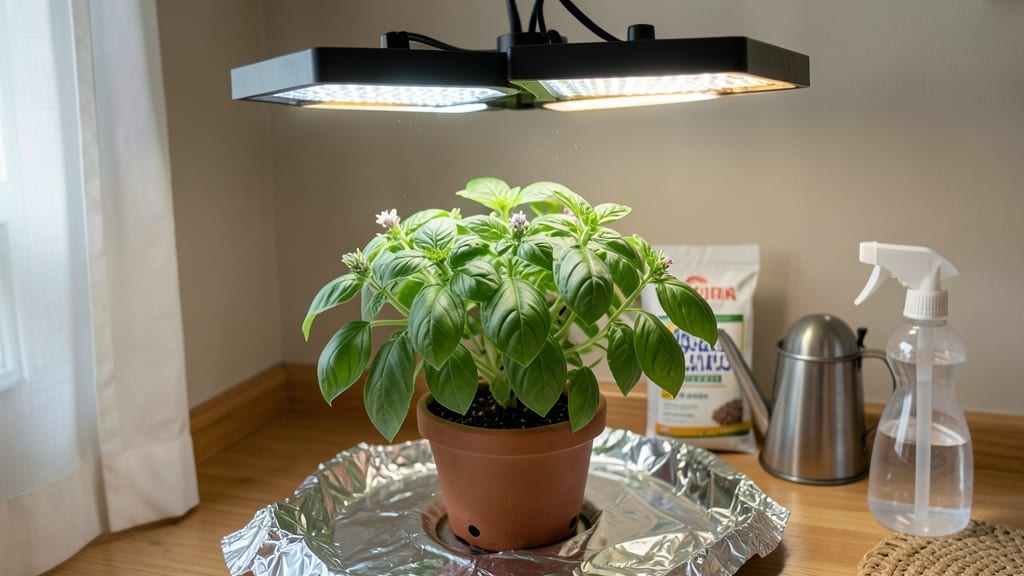
Growing herbs indoors without sunlight isn't just possible—it's foolproof with the right setup. 🌱 I've turned my dim apartment into a fragrant herb garden using just a grow light and a few simple supplies, and you can too.
The key is choosing shade-tolerant herbs like parsley, cilantro, and mint, which thrive under artificial light better than sun-loving basil or oregano.
You'll need a 12-inch grow light (LED works best), small pots with drainage, and a well-draining potting mix designed for containers. Place your setup near an outlet, and keep the light 3-6 inches above the plants for optimal growth.
Water when the top inch of soil feels dry—overwatering is the #1 killer of indoor herbs, even in low light.
Within 3-4 weeks, you'll see lush, vibrant growth instead of the leggy, pale plants that give indoor gardening a bad name. The secret? Consistent light (12-16 hours daily) and pruning regularly to encourage bushiness.
I've had my parsley produce harvestable leaves in just 21 days—no greenhouse or sunny window required.
This method works year-round, even in winter when natural light fades. Start with one herb to master the technique, then expand. Your kitchen will smell amazing, and you'll never buy wilted store herbs again.
📚 In This Guide
- What you need
- Instructions
- Tips and common mistakes
- Wrapping up and next steps
What you need
- ● Herb seeds or seedlings: Choose fast-growing varieties like basil, mint, parsley, chives, or cilantro (3–6 plants per container).
- ● Containers: 1–2 6–8-inch pots (per herb) with drainage holes, or
- ● 1 12–14-inch planter (for multiple herbs, spaced 4–6 inches apart).
- ● Well-draining potting mix: 2–3 bags of lightweight, organic soil (avoid garden soil—it compacts!).
- ● LED grow lights: 1–2 full-spectrum LED bulbs (6000K–6500K color temp, 10W–20W each).
- ● OR 1 LED grow light panel (12”–18” width, 10W–15W).
- ● Adjustable light stand or shelf: Position lights 6–12 inches above plants (closer for seedlings, farther for mature herbs).
- ● Watering can or spray bottle: A gentle misting option helps prevent overwatering.
- ○ Fertilizer (optional but helpful): 1 bottle of liquid organic fertilizer (diluted to half-strength).
- ● OR slow-release granules mixed into soil at planting.
- ● Light schedule: Herbs need 12–16 hours of light daily. Use a timer for consistency!
- ● Humidity control: A humidity tray (pebbles + water) or occasional misting keeps leaves happy.
- ● Temperature: Keep herbs in a 60–75°F range (avoid drafts or heat vents).
- ● Pruning tools: Small clean scissors for harvesting (sterilize with rubbing alcohol!).
Step-by-step instructions for cultivating herbs indoors under LED grow lights
Here's how I grow lush, flavorful herbs year-round using just a sunny windowsill substitute.
🪴 Step 1: Select and Prepare Containers for Optimal Drainage
Choose 4-inch diameter pots with drainage holes—herbs despise soggy roots. I use terracotta because it breathes better than plastic, but any container with holes works. Line the bottom with ½-inch gravel or broken pottery shards to prevent clogging while allowing excess water to escape freely.
Fill each pot ¾ full with a high-quality well-draining potting mix. Press it down gently so the surface is firm but not compacted. You want roots to push through easily, not struggle against resistance. Tap the pot on the table once to settle the mix evenly—this eliminates air pockets that could drown new roots.
🌱 Step 2: Plant Herbs at Correct Spacing and Depth
For transplants, dig a hole twice as wide as the root ball and deeper than the container's base to accommodate roots. Gently remove the plant, loosen any circling roots with your fingers, then place it in the hole. Fill around the sides with soil, pressing lightly to eliminate air gaps.
If starting from seed, scatter 3-5 seeds per pot at a depth of ¼ inch—roughly the diameter of a pencil eraser. Cover lightly with additional mix and mist gently until the surface looks evenly damp. Overcrowding now means you'll thin later, but I find it's easier to manage 4 small pots than one crowded container.
☀️ Step 3: Position LED Grow Lights for Maximum Efficiency
Place your LED grow light 6-12 inches above the plants, depending on wattage. Lower-wattage bulbs need to be closer—6 inches—while higher-output LEDs can stay 10-12 inches away. You'll notice leaves stretching toward the light if it's too far; this is your cue to lower it immediately.
Set a timer for 14-16 hours of light daily, mimicking summer sunlight. Herbs need consistent light to prevent leggy growth. I use a plug-in timer so I don't have to remember to adjust it daily—consistency is key here. Rotate pots a quarter turn every 2-3 days so plants grow straight instead of leaning toward the light.
💧 Step 4: Water and Maintain Proper Humidity Levels
Water when the top inch of soil feels dry to the touch. Stick your finger in—if it comes out clean, it's time. I water from the bottom by placing pots in a shallow tray of water for 10-15 minutes, then drain any excess. This prevents overwatering while ensuring roots get moisture evenly.
Mist leaves lightly 2-3 times weekly to maintain humidity, especially for basil and parsley. A small humidifier near the setup works wonders too. You'll see new growth within 2-3 weeks if everything's right—watch for those first true leaves to appear, signaling healthy establishment.
✂️ Step 5: Prune and Harvest for Continuous Growth
Pinch back the tips of stems when plants reach 4-6 inches tall to encourage bushier growth. This is where you'll see the magic happen—new side shoots will form within 1-2 weeks. Regular pruning also prevents herbs from becoming woody and tough.
Harvest leaves by snipping just above a leaf node with clean scissors. This encourages more growth at that point. For basil, I harvest the outer leaves first, leaving the inner ones to keep producing. You'll have fresh herbs ready in 4-6 weeks, and with proper care, your plants will keep giving you flavorful harvests all year.
Tips & tricks for thriving indoor herbs under LED grow lights
Here's what nobody tells you about keeping your indoor herb garden lush and productive—these tricks make all the difference.
Light Distance Matters: That 6-12 inch range for your LED grow light isn't arbitrary—it's about finding the sweet spot where your herbs get enough intensity without burning. I've learned the hard way that even 1 extra inch can mean the difference between vibrant growth and leggy, weak stems. For most standard LED grow bulbs, I keep them at 8 inches initially, then adjust based on leaf color: if they're pale, lower the light; if they're crispy at the edges, raise it slightly.
Soil Compaction Secret: When you fill your 4-inch pots with that well-draining mix, don't just dump and hope. Press it down gently but firmly—this creates a stable foundation for roots to anchor into. The tap-on-the-table trick eliminates air pockets that would otherwise trap moisture and suffocate new roots. I've seen plants double in size faster when the soil is properly settled this way.
Rotation Strategy: That quarter-turn every 2-3 days isn't just about aesthetics—it's about preventing your herbs from growing lopsided toward the light source. I've noticed basil plants develop uneven growth when left stationary, with one side stretching toward the light while the other stays compact. Rotating ensures all sides get equal exposure, resulting in bushier, more uniform plants that yield more harvestable leaves.
Harvesting Technique: When you're ready to snip those leaves, always cut just above a leaf node where new growth emerges. This might seem like a small detail, but it's what triggers your plant to produce more side shoots. I've seen herbs that were nearly finished growing start producing again after proper harvesting—it's like giving them a little nudge to keep going.
Pro Tips for Growing Herbs Indoors Without Sunlight
- Here's what nobody tells you about keeping your indoor herb garden lush and productive—these tricks make all the difference.
- Light Distance Matters: That 6-12 inch range for your LED grow light isn't arbitrary—it's about finding the sweet spot where your herbs get enough intensity without burning.
- Soil Compaction Secret: When you fill your 4-inch pots with that well-draining mix, don't just dump and hope.
Frequently asked questions
Can I grow herbs indoors without sunlight using just regular household lights?
Regular household lights (like incandescent or fluorescent bulbs) won’t provide the right spectrum for herbs. You’ll need LED grow lights designed for plants, which mimic sunlight with red and blue wavelengths. Without them, herbs may grow leggy or pale. If you’re on a budget, consider a low-cost grow light setup!
How long do herbs need under grow lights each day?
Herbs typically need 12–16 hours of light daily for optimal growth. Use a timer for consistency—most LED grow lights come with built-in timers. Too little light? Herbs may stretch toward the source. Too much? They could get stressed. 14–16 hours is ideal for most varieties like basil, mint, and parsley.
What’s the easiest herb to grow indoors without sunlight?
Start with basil, mint, or parsley—they’re forgiving and thrive under grow lights. Note: Mint spreads aggressively, so grow it in its own container. For beginners, chives or cilantro are also great choices. Avoid finicky herbs like dill or tarragon unless you’re experienced!
Why are my indoor herbs wilting even with grow lights?
Wilting usually means overwatering, underwatering, or poor drainage. Check the soil—it should be moist but not soggy. Ensure pots have drainage holes, and avoid letting herbs sit in water. Yellow leaves? Could be overwatering. Brown, crispy edges? Likely underwatering. Adjust your watering routine and monitor humidity!
Are LED grow lights worth the investment for herbs?
A quality $30–$80 LED grow light pays off in fresh herbs year-round. Compare it to buying store-bought herbs weekly—you’ll save money and enjoy pesticide-free greens. Start with a small, adjustable light (like a 12–24" model) for a windowsill setup. Pro tip: Check for energy-efficient LEDs (e.g., 20W–30W) to cut electricity costs!
Wrapping up and next steps
Growing herbs indoors without sunlight isn’t just possible—it’s empowering! 🌱 With the right setup, LED grow lights, and a little patience, you can enjoy fresh basil, mint, or parsley year-round, even in tiny spaces.
Whether you’re a beginner or a seasoned gardener, this method proves that light, not sunshine, is the real secret to a thriving indoor garden.
Ready to take the next step? Start small—pick one herb and experiment with your setup. Track your progress, adjust as needed, and soon, you’ll be harvesting flavorful greens straight from your windowsill or countertop. Your kitchen (and taste buds) will thank you! 😊