
Propagation
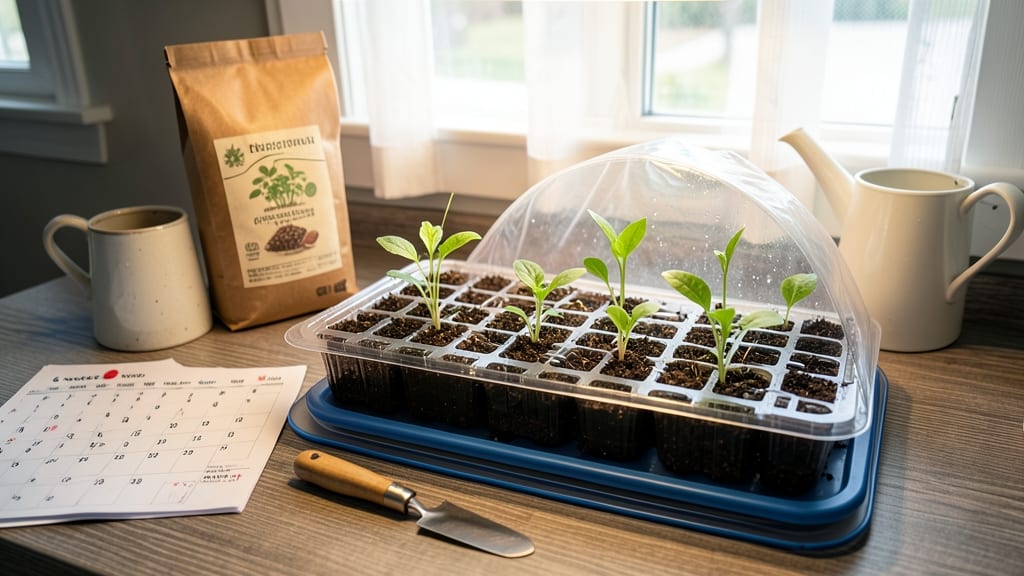
Starting seeds indoors for spring planting depends on your last frost date, plant type, and how fast they grow — get this wrong, and you’ll either have a window full of sad seedlings or a garden full of weeds.
Timing your indoor seed starts perfectly can mean the difference between a thriving spring garden and a sad, leggy seedling pileup. Too early, and you’ll waste space; too late, and your plants won’t be ready when the soil warms up.
The key is knowing your USDA zone, counting back from your frost date, and matching each plant’s growth timeline.
For example, in Zone 6a (where many gardeners live), most General Spring Vegetables 🌱 like broccoli or peas need 6-8 weeks indoors before transplanting. But tomatoes? They’re trickier — start them 8-10 weeks early, or you’ll miss the sweet spot.
Below, I’ll break down the exact math for your region, plus a foolproof chart to avoid the most common mistakes.
You’ll learn how to adjust for slow starts, when to harden off seedlings, and why your neighbor’s April planting schedule might not work for you. No more guessing — just a clear, step-by-step plan to get your spring garden off to the fastest, healthiest start.


How to calculate your frost dates for indoor seed starting
Getting your indoor seed starting timing right means knowing your last frost date—the critical moment when nighttime temperatures stay above 32°F (0°C) for the season. Without this, you risk planting too early (and losing seedlings to frost) or too late (and missing your garden's peak growing season).
Let me show you how to find your exact dates and use them to plan your seed-starting schedule.
First, locate your USDA hardiness zone—this determines your frost-free window. For example, Zone 5 typically has a last frost date around May 15, while Zone 8 might see it as early as March 1.
Check the USDA Plant Hardiness Zone Map to confirm yours, then adjust your seed-starting timeline accordingly.
Next, add your plant's days to maturity to your last frost date. For instance, if your tomatoes need 80 days to mature and your last frost is May 15, start seeds indoors by February 25 (80 days before May 15).
This ensures seedlings are strong enough to transplant outdoors before frost risk returns.
Here’s a quick reference for common USDA zones and their typical frost dates to help you calculate your ideal seed-starting window:
For cool-season crops like lettuce or peas, start seeds 4-6 weeks before your last frost date. These plants tolerate cooler temperatures and can even handle light frosts. In contrast, warm-season crops like tomatoes or peppers need 6-8 weeks of indoor growing time before transplanting, as they’re sensitive to cold.
Don’t forget to account for seedling hardening off—a 7-10 day process where you gradually acclimate seedlings to outdoor conditions before transplanting. Add this to your timeline to avoid shock.
For example, if your last frost is May 15 and you need 10 days for hardening, transplant by May 5 instead.
Local weather patterns can shift your frost dates by 1-2 weeks, so check your local agricultural extension service for precise data. Microclimates—like urban areas that stay warmer—can also delay frost. Use a frost date calculator or ask fellow gardeners in your area for insights.
Pro tip: Mark your calendar with three key dates: your last frost date, your seed-starting deadline, and your transplanting window. Sticky notes on your fridge or a digital reminder work great! This keeps you on track even when life gets busy.
Once you’ve nailed down your frost dates, your seed-starting schedule becomes a simple math problem: subtract your plant’s maturity time from your last frost date, then add a buffer for hardening. With this method, you’ll avoid the heartbreak of frost-damaged seedlings or overgrown transplants that outpace your season.
Now that you’ve got your frost dates locked in, you’re ready to dive into plant-specific timing—next, we’ll cover the best seed-starting windows for vegetables, flowers, and herbs so you can plan your entire spring garden like a pro! 🌱
Best seed starting times by plant type (vegetables, flowers, herbs)
Getting your indoor seed starting timing right means the difference between healthy transplants and stunted seedlings. Each plant type has unique needs—cool-season crops like broccoli can handle early starts, while warm-season plants like tomatoes need precise timing to avoid frost damage.
Here’s your category-by-category guide, including weeks-to-germination data to plan perfectly.
Use this chart as your seed-starting calendar. Adjust dates based on your last frost date (find yours using the USDA zone map). For example, if your last frost is April 15, start tomatoes 8-10 weeks earlier (mid-February).
Peppers, needing 10-12 weeks, would start in early February. Flowers like marigolds are more flexible but still benefit from early starts for blooms.
| Plant Type | Category | Weeks Before Last Frost | Germination Time | Notes |
|---|---|---|---|---|
| Broccoli | Cool-Season Vegetable | 6-8 weeks | 7-14 days | Direct sow or start indoors early |
| Peas | Cool-Season Vegetable | 2-3 weeks (or direct sow) | 7-10 days | Tolerates light frost; sow late |
| Tomatoes | Warm-Season Vegetable | 8-10 weeks | 7-14 days | Wait until soil warms; needs heat |
| Peppers | Warm-Season Vegetable | 10-12 weeks | 10-21 days | Slow growers; start early indoors |
| Marigolds | Annual Flower | 4-6 weeks | 7-14 days | Fast-growing; great for pest control |
| Zinnias | Annual Flower | 6-8 weeks | 7-10 days | Long bloom time; start early |
| Basil | Herb | 6-8 weeks | 7-14 days | Heat-loving; avoid cold drafts |
| Parsley | Herb | 10-12 weeks | 14-21 days | Slow to germinate; start early |
For cool-season crops, like broccoli and peas, you can start seeds indoors as early as January in warmer climates (zones 8-10). In colder regions (zones 3-5), wait until February to avoid leggy seedlings.
Use grow lights if natural light is limited—14-16 hours/day keeps them strong. Peas, however, can often be direct-sown just before your last frost for best results.
Warm-season plants like tomatoes and peppers demand precision. Start them 8-12 weeks before your last frost, but don’t rush—peppers take longer to mature. Use heat mats to speed germination (ideal soil temp: 75-85°F).
Once seedlings have 2-3 true leaves, harden them off for 7-10 days before transplanting after frost risk passes. Marigolds and zinnias are forgiving but benefit from early starts for longer bloom seasons.
Herbs like basil and parsley have unique needs. Basil thrives with warm soil (wait until after last frost) but grows quickly—start it 6-8 weeks early. Parsley, on the other hand, is a slow germinator (up to 3 weeks!) and should start 10-12 weeks before transplanting.
Thin seedlings to 3-4 inches apart to avoid competition. Label trays to track varieties and avoid mix-ups.
Pro tip: Use a seedling heat mat for warm-season crops to jumpstart germination, especially in cool climates. For flowers, mix sand into your seed-starting mix to improve drainage—root rot is a common killer of delicate seedlings.
Adjust your schedule if you notice slow germination or damping off (a fungal issue), and consider replanting if needed.
Remember, these timelines are guidelines. Monitor your seedlings daily for signs of nutrient deficiencies (yellow leaves) or overwatering (mushy stems). With the right timing and care, you’ll have bursting spring transplants ready for the garden—no leggy disappointments in sight! 🌱