
Container Gardens
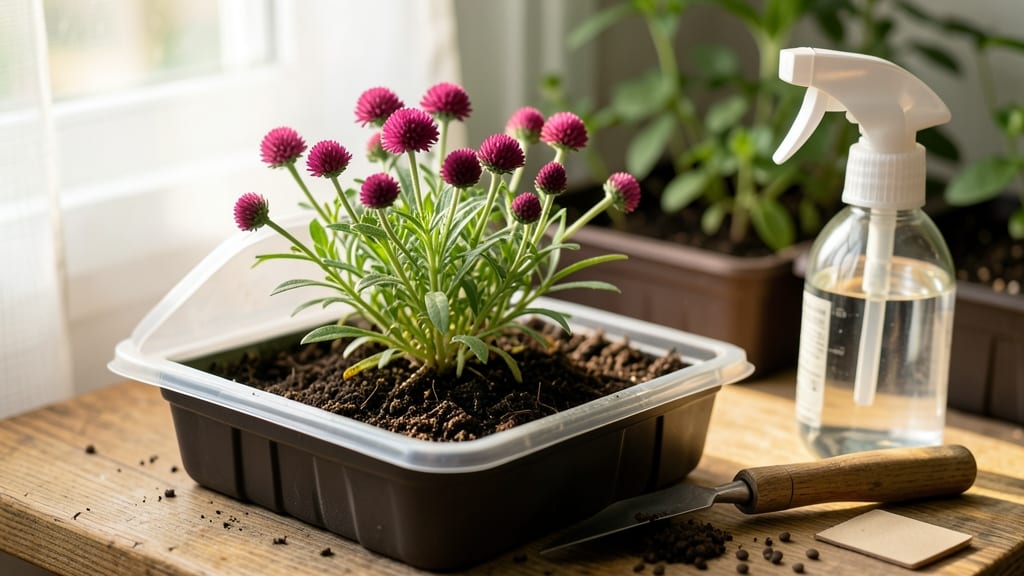
Starting gomphrena seeds indoors 8-10 weeks before your last frost is the key to vibrant blooms by summer 🌸 — but timing is everything.
Too early, and frost zaps your seedlings before they’re ready. Too late, and you miss peak blooming season. The secret? A heat mat and precise timing. Here’s exactly when to start them indoors for vibrant, long-lasting flowers.
In USDA Zone 6a, that means sowing in late February or early March. Warmer climates can push it back to January, while cooler zones may need an extra two weeks. A heat mat cuts germination time from weeks to days, giving you a head start.
Below, I’ll break down the best start dates by zone, the heat mat trick for faster germination, and how to avoid common timing mistakes that kill seedlings.
Optimal indoor starting times for gomphrena seeds by climate Zone
Timing is everything when starting gomphrena seeds indoors. These heat-loving annuals need a 4-12 week head start before your last frost date to ensure robust seedlings ready for transplant. Your USDA zone determines the perfect window—cooler zones need earlier starts, while warmer climates can wait until spring.
Let’s break it down by region so you never miss your blooming season.
Gomphrena thrives in warm soil temperatures (70-75°F), which is why a heat mat becomes your best friend in zones with chilly springs. Without one, germination can stretch to 2-3 weeks—with it, you’ll see sprouts in just 7-10 days.
This adjustment is critical for Zone 3-5 gardeners, where early starts are non-negotiable. Even in Zone 6-10, precise timing prevents leggy seedlings or late blooms.
Here’s the golden rule: Start gomphrena seeds indoors 8-10 weeks before your last frost date. For example, if your frost date is April 15, aim to sow seeds between February 15 and March 1.
This window ensures seedlings hit 4-6 inches tall by transplant time—ideal for container gardens or in-ground planting. Adjust by ±2 weeks based on your local microclimate.
| USDA Zone | Last Frost Date | Indoor Start Window | Heat Mat Use | Seedling Care Adjustment |
|---|---|---|---|---|
| Zones 3-4 | May 1-15 | March 15-April 1 | Essential (70-75°F) | Use grow lights; harden off 3 weeks early |
| Zones 5-6 | April 15-May 1 | February 15-March 15 | Recommended (65-70°F) | Thin seedlings early; monitor for damping off |
| Zones 7-8 | March 15-April 15 | January 15-February 15 | Optional (60-65°F) | Can direct sow after frost; focus on soil warmth |
| Zones 9-10 | January 15-February 1 | November 15-December 15 | Not needed | Start early for fall blooms; use shade cloth |
Notice how Zone 3-4 gardeners must start earlier than Zone 9-10? That’s because cold soil delays germination, and late starts risk weak seedlings. In Zones 5-6, a heat mat cuts germination time nearly in half—critical for avoiding damping off in crowded trays.
Meanwhile, Zones 7-10 can often skip indoor starts entirely and direct sow after frost, but indoor starts still give you a 2-week bloom advantage.
For container gardeners, timing matters even more. Smaller pots dry out faster, so start seeds 2 weeks earlier than the table suggests. Use well-draining seedling mix and bottom watering to prevent root rot.
If your seedlings stretch toward the light (a sign of etiolation), supplement with a LED grow light 12-14 hours daily. This is especially true for northern windows, where sunlight is weak in early spring.
Pro tip: Mark your calendar 12 weeks before last frost to begin hardening off seedlings. This 10-day process of gradually exposing them to outdoor conditions prevents transplant shock. Start with 1 hour daily in partial shade, then increase to full sun by week 2.
Skip this step, and you’ll risk wilting or stunted growth after moving plants outside.
What if you miss the ideal window? Don’t panic. Gomphrena is drought-tolerant, so late starts can still yield blooms—just expect smaller flowers or a shorter season. For a second flush of blooms, sow a second batch 4-6 weeks after your first transplant.
This works especially well in Zones 9-10, where fall planting extends your blooming season into November.
Remember, gomphrena’s vibrant colors are worth the effort. With the right timing and a little heat mat magic, you’ll enjoy cut flowers that last 2 weeks in a vase—far longer than most annuals. Now grab those seeds, set your heat mat, and let’s get growing! 🌸
Heat mat trick: how to speed up germination in 3 simple steps
Gomphrena seeds often take 2-3 weeks to germinate, but with a heat mat, you can slash that time to just 7-10 days. The trick? Mimicking the warm soil conditions they’d find in their native tropical climates.
This method is especially useful for gardeners in cooler zones (USDA 3-6) where slow germination is common. By maintaining a 70-75°F soil temperature, you’ll see faster sprouts and healthier seedlings ready for transplanting.
A heat mat creates the ideal environment for gomphrena seeds by providing consistent warmth without the risk of overheating your seedlings. Unlike traditional methods that rely on patience, this approach lets you control germination timing precisely.
For example, if your last frost date is April 15, starting seeds with a heat mat in early February ensures they’ll be ready for outdoor planting by mid-April. This head start gives your gomphrena 6-8 weeks of vigorous growth before summer heat arrives.
Here’s how to set it up in just 3 simple steps, plus pro tips to avoid common pitfalls like overheating or transplant shock.
Select a thermostatically controlled heat mat (70-75°F range) that fits your seed tray. Avoid cheap mats that can’t maintain consistent temperatures—fluctuations slow germination. Place the mat on a stable surface (like a shelf or table) away from drafts.
Use a light, sterile seed-starting mix (avoid garden soil—it’s too dense). Moisten it until damp (like a wrung-out sponge), then spread gomphrena seeds ¼ inch deep in rows. Cover with a humidity dome or plastic wrap to retain moisture while the heat mat does its work.
Check soil temp daily with a thermometer—ideal range is 70-75°F. Once sprouts appear (7-10 days), remove the dome and place seedlings under grow lights (12-14 hours/day) to prevent legginess. Harden off for 7-10 days before transplanting to avoid shock.
Pro tip: If your home is below 65°F at night, the heat mat becomes even more critical. Without it, germination can stall for weeks.
For example, in USDA Zone 5, starting seeds in late January with a heat mat ensures they’re ready for outdoor planting by early May—beating the competition from weeds and pests.
Transplanting too soon is the biggest mistake. Wait until seedlings have 2-3 true leaves and are 1-2 inches tall. Use a small trowel to lift them gently, keeping the root ball intact.
Water thoroughly after transplanting to help roots establish in their new home. This method gives you healthier, faster-growing gomphrena plants that’ll reward you with bold, papery blooms all summer long.
For gardeners in warmer climates (Zones 8-10), you can skip the heat mat and start seeds directly outdoors after your last frost. But in cooler areas, the heat mat trick is your secret weapon for earlier blooms and longer vase life.
Once you try it, you’ll never go back to slow germination again!