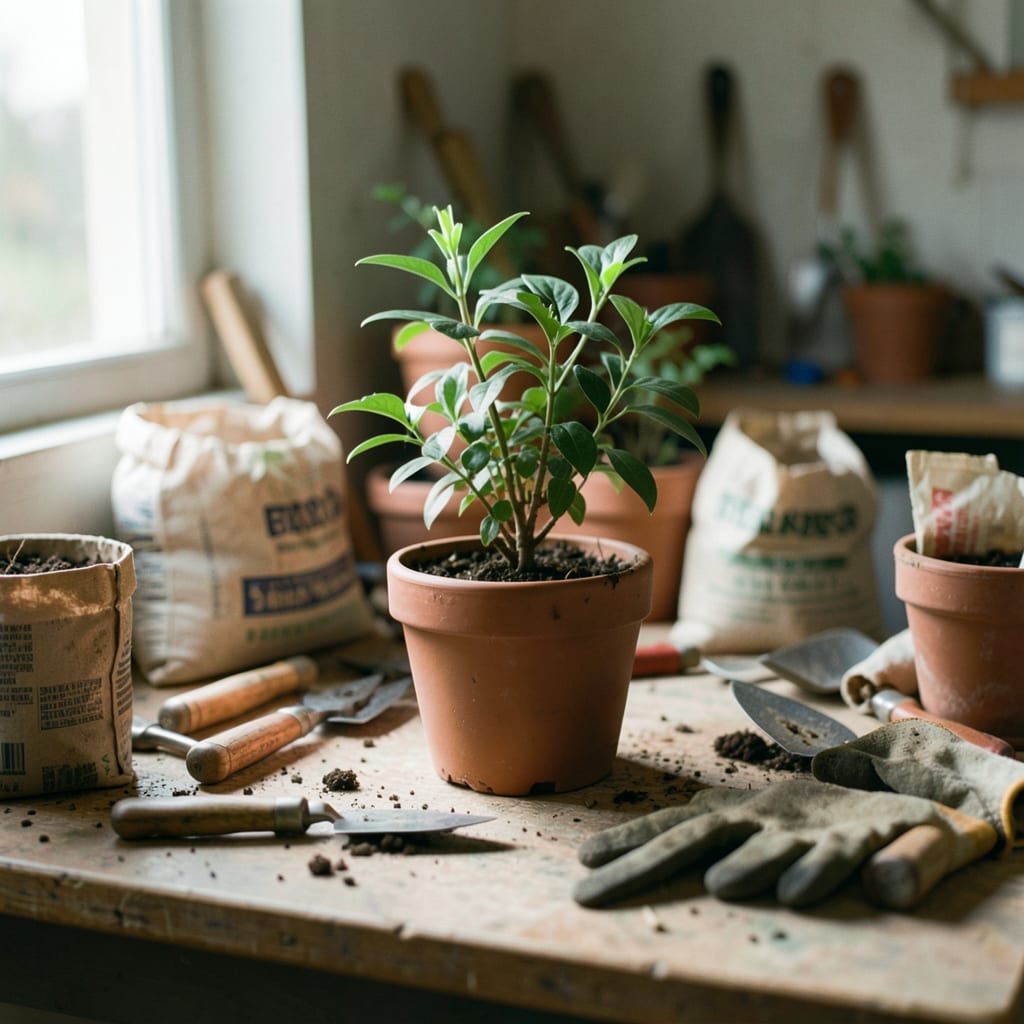
Why I started Indoor Potting
I was twenty-five, knee-deep in a failed experiment with basil seedlings, when I realized something was missing. The soil was rich, the light was good, but the plants kept stretching toward the window like they were starving—even though I’d followed every guide I could find.
A neighbor, an old gardener with calloused hands, leaned over my shoulder and said, *‘You’re missing the story.
Plants don’t grow from steps alone—they grow from the soil’s memory, the way the light hits the leaves, the little things you notice when you’re not rushing.’* That’s when I decided to write about gardening the way I actually learn: messy, curious, and full of the details that matter.
This site is for anyone who’s ever wondered why their seedlings look sad, why their tomatoes won’t ripen, or why their houseplants keep dying despite their best efforts.
No jargon, no assumptions—just the kind of advice I wish I’d had when I was squinting at wilted leaves under a fluorescent bulb.
Whether you’re growing herbs on a windowsill or dreaming of a backyard garden, you’ll find the practical tips, the honest mistakes, and the quiet joys of watching something grow.
Meet the founder

I’ve always had a green thumb, but it wasn’t until I was a kid sneaking seeds from my grandma’s garden that I understood why. She’d press a tomato seed into the soil, whisper something about ‘good earth,’ and then forget it was there—until one day, there’d be a plant.
I thought she was just lazy, but now I know she was teaching me the most important lesson: plants don’t need constant attention. They need trust. That’s the philosophy behind this site. I don’t believe in micromanaging soil or obsessing over every variable.
I believe in paying attention to the details that actually matter—the way a leaf curls when it’s thirsty, the difference between ‘damp’ and ‘waterlogged,’ the quiet satisfaction of a seedling breaking through the dirt for the first time.
My first real gardening disaster came when I tried growing chili peppers indoors. I followed a guide to the letter: the right soil mix, the perfect light setup, even the recommended watering schedule. But my plants kept wilting, no matter what I did.
It wasn’t until I noticed the condensation dripping off the leaves every morning that I realized the problem—my ‘perfect’ setup was actually trapping too much moisture. That’s when I learned the hard way that rules are just starting points.
Now, I test everything twice: once with the book’s advice, and once with my own tweaks. If a method doesn’t work in my kitchen (or my sunroom), I’ll tell you why—and what I changed.
I still have the first pair of pruning shears I ever bought. They’re rusted at the hinge, the handles are splintered, and the blades are uneven—but I keep them on my desk. They’re a reminder that the best tools aren’t always the newest or shiniest.
They’re the ones that’ve earned their flaws. My ‘office’ is a cluttered corner of my apartment where the light hits just right: a mix of grow lights, a shelf of half-empty seed packets, and a windowsill crowded with plants at different stages of life.
Some are thriving, some are struggling, and a few are already dead—but that’s where the learning happens. I don’t separate the ‘good’ plants from the ‘bad’ ones. I just pay attention to what went wrong, and why.
The one habit I can’t shake is talking to my plants. Not in a ‘fertilizer salesman’ way—just a quiet *‘Hey, almost there’* when I’m pinching back a basil stem, or *‘Come on, you can do it’* when a seedling finally cracks the soil.
My roommate thinks it’s weird, but I don’t care. Plants respond to care, not just conditions. And if a little conversation helps them grow, so be it.
Meet the mascot
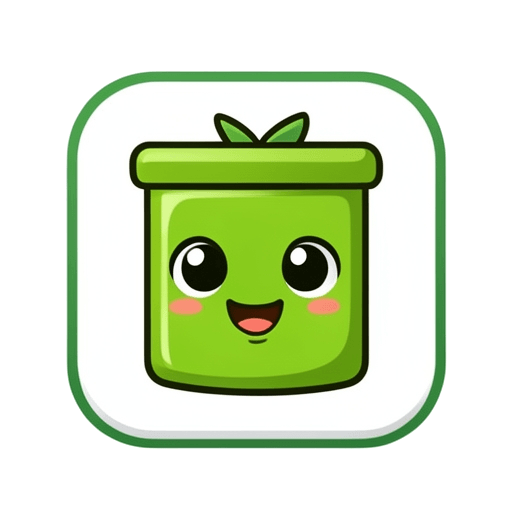
The mascot started as a quick sketch on a napkin during a coffee break—just a rough outline of a seedling with oversized leaves, because that’s how I remember my first successful sprouts looking: lopsided and proud.
I was sitting at a café table with a notepad, trying to explain to a friend why my tomato plants kept flopping over, and the first scribble got the shape wrong. The stem was too straight, the leaves too perfect.
I crossed it out and tried again, this time making the stem bend like it was reaching for light. That’s when it clicked: the mascot needed to feel alive, not like a diagram.
The second version had a slightly crooked stem, a leaf that looked like it had been nibbled by something, and a tiny sprout peeking out of the soil—because that’s how growth really happens: uneven, curious, and full of surprises.
The next step was turning the napkin doodle into something that could live on a browser tab. I simplified the shape, rounded the edges, and gave it a face—just two dots for eyes and a little smile, because a plant doesn’t need a mouth to look excited.
The biggest challenge was making sure it still read as a seedling at tiny sizes. I had to lose the details: no more texture on the leaves, no shading on the stem. Just the essentials: a sprout, a leaf, and the sense that it’s growing.
I named it *Sprout*—not because it’s fancy, but because it’s exactly what it is: a plant that’s just starting to reach for the light.
Now, Sprout sits at the top of every page, a reminder that gardening is about beginnings. It’s not polished. It’s not perfect. It’s just a little plant, stretching toward the next step—just like the ones you’re growing.
What I promise you
This site exists to cut through the noise of ‘gardening as it should be’ and focus on how it *actually* works in a real home, with real light, real soil, and real mistakes.
What you can count on is honesty: if a method fails, I’ll tell you why—and what I’d do differently next time.
What you can hold me to
- Every tip is tested at least twice—once in my space, once in yours (or as close as I can guess). If it doesn’t work, I’ll say so.
- I’ll never recommend a tool, soil, or technique I haven’t used myself. If I don’t know, I’ll tell you where to look for answers.
- The site is built around the things that *really* matter: light angles, soil pH, and the quiet details that turn a ‘maybe’ into a ‘thrive.’
- You’ll find the stories behind the science—because gardening isn’t just about steps. It’s about noticing the little things that make a difference.
How I create a post
Every post starts with a problem—like why your pepper plants keep dropping flowers or how to revive a root-bound fern. I don’t begin with a solution.
I start with the question, and then I dig into the details: the light in my sunroom, the soil in my pots, the way my hands feel when I’m adjusting a trellis. Gardening isn’t about following a script; it’s about paying attention to what’s actually happening in front of you.
So I watch, I experiment, and I write down what works—and what doesn’t.
The first step: noticing
The first step is always the same: looking closely. I check the soil with my fingers—is it damp but not soggy? Are the leaves curling at the edges, or just wilting from thirst?
I measure the light with a cheap light meter (or just by holding my hand up to the window and counting how many fingers fit between the glass and the plant).
I watch for the small signs: yellowing leaves that mean too much water, brown spots that mean too little, or stems that stretch like they’re starving. If something’s wrong, I don’t guess. I wait, I observe, and I compare it to what’s working nearby.
Sometimes, the fix is as simple as moving a plant an inch closer to the light. Other times, it’s a deeper issue—like soil that’s too dense or roots that need room to breathe.
I never rush this part. A good diagnosis takes time. I’ll leave a plant where it is for a day, just watching, before I touch anything. If a seedling isn’t sprouting, I check the moisture level, the temperature, and whether the pot has drainage.
If a houseplant is dropping leaves, I consider the light, the water, and whether it’s been recently repotted. The key is to rule out the obvious first. Most gardening problems aren’t mysterious—they’re just overlooked. And once you see them, the fix is usually simple.
The second step: adjusting
Once I know what’s wrong, the fix is usually about small, deliberate changes. If a plant is thirsty, I water it—slowly, until the soil’s evenly moist but not soggy. If it’s getting too much light, I move it to a shadier spot (or add a sheer curtain).
If the soil’s compacted, I loosen it with my fingers or a fork, adding compost if needed. I never overcorrect. If a tomato plant is leggy, I don’t dump fertilizer on it. I pinch back the top leaves to encourage bushier growth and move it closer to the light.
The goal isn’t to force a plant into perfection—it’s to give it what it actually needs.
I test every adjustment twice. If I move a plant to a new spot, I watch it for a week to see if the change helps. If I change the watering schedule, I keep a log of when I water and how the soil feels.
And if something still isn’t right? I go back to the first step: noticing. Gardening isn’t about quick fixes. It’s about patience, observation, and the willingness to admit when you’re wrong. That’s the only way a plant—and a gardener—really learns.
How a post gets onto this site
A post starts with a notebook and a pen. I scribble down my observations while the soil is still warm from repotting, or the leaves are still damp from watering. I jot down what worked, what didn’t, and why I think it happened.
Then I let it sit for a few days. The second draft is where the real work begins. I cut out the guesswork, the vague advice, and anything that doesn’t have a clear ‘why’ behind it. If I can’t explain *how* a method works, I leave it out.
And if a post doesn’t hold up on the second read? It gets rewritten—or scrapped entirely. Some of the best advice here came from mistakes I made months (or years) ago. I don’t erase them. I just make sure they’re useful.
Write to me
I love hearing about the plants that surprised you, the failures that taught you something, or the little gardening habits that keep you coming back. Did your basil finally flower this year? Did your tomatoes crack despite your best efforts?
(And if you have a question about your own garden, ask away. I’ll do my best to help.) You’ll find the contact page linked in the menu above. No question is too small, no plant too humble.
Just like in the garden, the best conversations start with curiosity.
Happy growing—Warren
The guides are grouped by category: Advice, Aphids, Blooming, Companion Plants, Container Gardens and Diseases.