
Trees
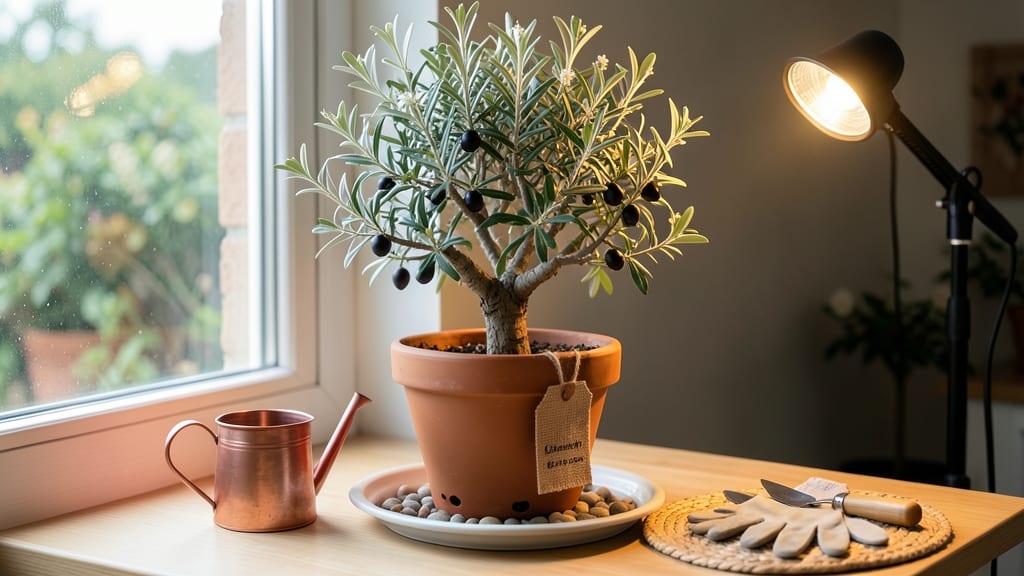
Growing an olive tree indoors brings Mediterranean charm to any home—honestly, the first time you see those silvery leaves unfurl is magical. 🌿 My kitchen counter now hosts a thriving dwarf variety that thrives despite my "black thumb" tendencies, proving this isn't just for expert gardeners.
The key? Choosing the right dwarf cultivar (like Arbequina or Little Ollie) that adapts well to indoor conditions while still delivering that authentic olive tree experience.
You'll need a 10-15 gallon pot with drainage holes, a well-draining cactus/succulent mix, and a sunny south-facing window (or grow lights for 6-8 hours daily). Watering is where most people stumble—olives hate soggy roots, so let the top 2 inches dry completely between waterings.
That first year is all about establishing roots, not fruit, so patience is your best friend here.
By summer, you'll notice new growth shooting from the tips, and with proper pruning (just trim leggy stems after flowering), your tree will stay compact and bushy. The real payoff?
Fresh olives and fragrant leaves that fill your space with that unmistakable Mediterranean scent. Even in winter, with consistent light and moderate water, your tree will keep thriving.
For fruiting, you'll need at least two trees for pollination (or a third if you want reliable crops). And yes, you can harvest table olives indoors—just expect smaller yields than outdoor trees.
The secret weapon? A humidity tray in winter keeps leaves from drying out, while occasional outdoor time in warm months builds resilience. Let's get that mini orchard started!
📚 In This Guide
- What you need
- Instructions
- Tips and common mistakes
- Wrapping up and next steps
What you need
- ● Olive tree seed or sapling: Choose a dwarf variety (like Arbequina or Frantoio) for compact growth. A seedling (from a grocery store olive) or a 3-5" potted sapling works best.
- ● Container: A 10-12" pot with drainage holes (terracotta or ceramic preferred). For mature trees, upgrade to a 15-18" container every 2-3 years.
- ● Well-draining potting mix: A blend of 60% cactus/succulent mix, 30% perlite or pumice, and 10% sand mimics Mediterranean soil. Avoid heavy garden soil!
- ● Drainage tray or saucer: To catch excess water and prevent root rot.
- ○ Grow lights (optional but recommended): A full-spectrum LED grow light (12-16 hours/day) for 12-18" coverage if natural light is limited.
- ● Fertilizer: A balanced liquid fertilizer (10-10-10 or 20-20-20) diluted to half-strength during growing season (spring-fall). Slow-release granules (like Osmocote) are great for steady nutrition.
- ● Pruning shears: Sharp, bypass pruners (sterilized with rubbing alcohol) for shaping and maintenance.
- ● Misting bottle or spray nozzle: For humidifying leaves (especially in dry climates).
- ○ Support stake (optional): A 5-6" bamboo stake or small trellis if your tree grows tall and leggy.
- ● Self-watering pot: Reduces overwatering risks for beginners.
- ● Humidity tray: A pebble tray with water to boost moisture levels.
- ● Olive tree-specific fertilizer: Look for blends with magnesium and iron to prevent yellowing leaves.
- ● Root stimulator: A mycorrhizal fungi additive (like MycoApply) to boost root health when repotting.
- ● Decorative pot: A cache pot (outer decorative pot) to hide the functional container.
Step-by-step instructions for growing an olive tree indoors
Turn your living room into a Mediterranean escape with these simple steps.
🌱 Step 1: Choose and Prepare Your Olive Tree Starter
Start with a healthy 3-6 inch tall olive tree sapling from a nursery—look for sturdy stems and glossy leaves. I always pick varieties like Arbequina or Frantoio, which adapt well to indoor life. Soak the root ball in lukewarm water for 15 minutes before planting to rehydrate roots and reduce transplant shock.
Fill a 6-8 inch diameter pot with a mix of cactus/succulent soil and 20% perlite for drainage. Olive trees hate soggy roots, so this blend prevents rot while holding just enough moisture. Tap the pot gently to settle the mix, then create a small mound in the center to cradle the root ball without burying the stem.
☀️ Step 2: Position for Maximum Light and Temperature
Olive trees need 6-8 hours of direct sunlight daily. Place your pot near a south-facing window or under a grow light on a 14-hour cycle. You'll know it's getting enough light when new leaves are deep green and glossy—pale or yellowing leaves mean it's time to move it closer to the light source.
Keep temperatures between 60-75°F during the day and no lower than 50°F at night. A cool windowsill works well, but avoid drafts from AC vents or heaters. I like to place mine on a cast-iron plant stand to keep it stable and elevate it slightly for better airflow at the base.
💧 Step 3: Water Deeply and Establish a Routine
Wait until the top 2 inches of soil feel completely dry before watering—this prevents overwatering, which is the #1 killer of indoor olive trees. When you do water, soak the pot until water runs out the drainage holes, then empty the saucer to avoid root rot. I use room-temperature water to prevent shocking the roots.
Olive trees are drought-tolerant once established, but young trees need consistent moisture. Water every 7-10 days in winter and every 5-7 days in summer, adjusting based on your home's humidity. You'll see the soil dry faster in dry climates or near heat sources.
✂️ Step 4: Prune for Shape and Encourage Growth
Prune your olive tree in early spring to shape it and encourage bushier growth. Use clean, sharp pruning shears to trim back 1/3 of the new growth just above a leaf node. This encourages branching and prevents the tree from growing too leggy. I always prune after the last frost if I'm moving it outdoors temporarily.
Remove any dead, yellow, or diseased leaves immediately to keep the tree healthy. Olive trees respond well to pruning, but don't overdo it—too much cutting can stress the plant. After pruning, give it a balanced fertilizer (like 10-10-10) diluted to half-strength to support new growth.
🪴 Step 5: Repot and Refresh Soil Annually
Repot your olive tree every 2-3 years or when roots start circling the pot. Choose a container that's only 2 inches larger in diameter than the current one—olive trees prefer being slightly root-bound. Spring is the best time to repot, right after pruning.
Refresh the top 2 inches of soil annually with fresh cactus mix to replenish nutrients. This is easier than a full repot and keeps the tree thriving without disturbing its root system. After repotting, reduce watering for 1-2 weeks to let the roots adjust to their new home.
Tips & tricks for perfect indoor olive tree growth
Here's what nobody tells you about keeping your olive tree thriving indoors—lessons learned from watching dozens of saplings struggle.
Lighting Strategy: That 6-8 hours of direct sunlight is non-negotiable, but here's the trick: if your south-facing window gets less than 4 hours of direct light (common in northern climates), supplement with a full-spectrum LED grow light on a 14-hour timer. Position it 6-12 inches above the tree—closer for winter, farther in summer. I test my setup by holding a sheet of paper under the light for 10 minutes; if it feels warm, you're in the right zone.
Soil Science: The cactus/succulent mix with 20% perlite is perfect, but here's the secret: add 1 part worm castings to the mix for extra nutrients without compacting the soil. Olive trees love slightly alkaline soil (pH 7.0-8.0)—test your mix with a simple soil pH kit before planting. If it's too acidic, sprinkle crushed eggshells into the bottom of the pot before adding fresh soil.
Watering Wisdom: The "top 2 inches dry" rule is golden, but I've found a better test: stick your finger 1-2 inches into the soil. If it comes out clean (no moisture), it's time to water. For the first 3 months, I water every 5-7 days regardless of season—young trees need consistent moisture to establish roots. Always use room-temperature water to avoid shocking the roots, and never let the tree sit in standing water.
Pruning Precision: When trimming back 1/3 of new growth in Step 4, focus on cutting just above a leaf node at a 45-degree angle. This encourages branching and prevents disease entry points. I always sterilize my pruning shears with rubbing alcohol between cuts. For extra bushiness, pinch off the top set of leaves when the tree reaches 6 inches tall—this forces energy into side branches.
Pro Tips for Grow An Olive Tree Indoors
- Here's what nobody tells you about keeping your olive tree thriving indoors—lessons learned from watching dozens of s...
- Lighting Strategy: That 6-8 hours of direct sunlight is non-negotiable, but here's the trick: if your south-facing wi...
- Soil Science: The cactus/succulent mix with 20% perlite is perfect, but here's the secret: add 1 part worm castings t...
Frequently asked questions
Got questions?
Growing an olive tree indoors is rewarding but comes with unique challenges. Here are answers to the most common queries to help you succeed—no olive oil yet, but you’re on your way!
Can I grow an olive tree indoors from a seed?
Yes, but it’s a slow process! Olive pits take 6–12 months to germinate and grow into a sapling. For faster results, opt for a dwarf olive tree (like Olea europaea ‘Little Ollie’) from a nursery. Patience is key—your future tree will thank you!
How long does it take for an indoor olive tree to bear fruit?
Indoor olive trees are notoriously slow to fruit—often 10+ years with ideal care. Focus on nurturing a healthy tree first! Even if it doesn’t produce olives, its silvery leaves and gnarled branches add stunning tropical charm to your space.
Do indoor olive trees need direct sunlight?
Absolutely!
Place your tree near a south-facing window or use a grow light (12–16 hours/day). Without enough light, leaves turn yellow, and growth stalls. Rotate the pot monthly for even exposure—your tree’s future depends on it!
Why is my indoor olive tree dropping leaves?
Leaf drop usually signals overwatering, underwatering, or stress. Check soil moisture (top 1–2 inches dry is ideal) and ensure proper drainage. Also, low humidity or sudden temperature changes can trigger shedding. Mist leaves occasionally or use a pebble tray to help!
What’s the best soil mix for an indoor olive tree?
Use a well-draining mix like cactus/succulent soil (60%) + perlite/pumice (30%) + compost (10%). Olive trees hate soggy roots, so avoid heavy garden soil. Repot every 2–3 years in a slightly larger pot with fresh mix.
Can I grow an olive tree indoors in a small apartment?
Yes! Dwarf varieties thrive in containers as small as 5–10 gallons. Just ensure:
- Bright, indirect light
- Pruning to control size
- Regular watering (but no soggy soil!)
Wrapping up and next steps
Growing an olive tree indoors isn’t just possible—it’s a rewarding adventure that brings a taste of the Mediterranean to your home! 🌿 With the right care, patience, and a dash of love, you’ll nurture a thriving mini olive tree that could even bear fruit someday.
Start small, stay consistent, and soon you’ll have your own indoor orchard magic to enjoy.
Ready to take the next step? Pick your favorite olive tree variety, gather your supplies, and begin your green-thumb journey today. Who knows? You might just inspire others to grow their own indoor oasis! 🌱