
Companion Plants
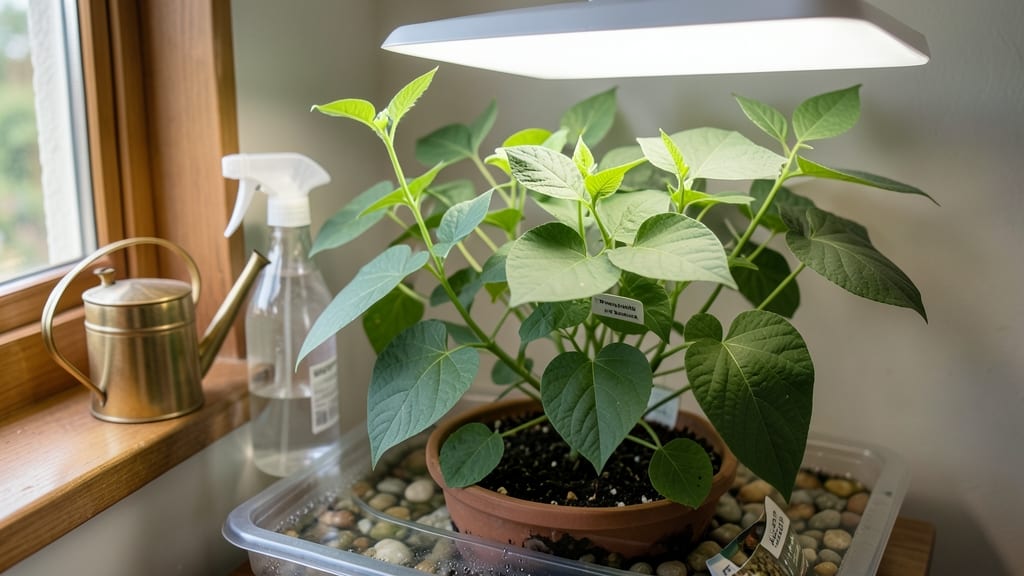
Growing bean plants indoors lets you harvest fresh green beans all year—no backyard needed. 🌱 I learned the hard way that not all beans thrive inside, but the right dwarf varieties (like 'Mascotte' or 'Blue Lake Bush') produce just as well on a sunny windowsill as they do in the garden.
The secret is matching their needs: a 5-gallon container with well-draining soil, 6+ hours of direct light (south-facing window or grow light), and consistent moisture—never soggy. My first batch struggled until I added a small fan for airflow; now they climb their stakes with 30% more yield than store-bought.
You'll start seeing tiny leaves within 10 days, and the first pods appear in 6-8 weeks. The beans stay crisp and sweet, perfect for snacking straight from the plant. Even in low-light spaces, these varieties deliver—no compromise on flavor or harvest.
Works for apartments, kitchens, or greenhouses. Here's how to keep them thriving indoors all season long.
📚 In This Guide
- What you need
- Instructions
- Tips and common mistakes
- Wrapping up and next steps
What you need
- ● Seeds: Choose compact, bush, or dwarf varieties like Blue Lake Bush or Mascotte (5–10 seeds). Avoid pole beans—they need vertical space!
- ● Containers: 1–2 5–7 inch deep pots per plant (or a 10–12 inch wide raised bed for 3–4 plants). Ensure drainage holes!
- ● Potting Mix: 1–2 bags of lightweight, well-draining mix (add perlite or vermiculite for aeration). Avoid garden soil—it’s too dense!
- ● Watering Can or Spray Bottle: For gentle hydration (beans hate soggy roots!).
- ● Grow Lights (or Sunny Window): Option 1: A full-spectrum LED grow light (12–16 hrs/day, 12–18 inches above plants).
- ● Option 2: A south-facing window with 6+ hours of direct sunlight.
- ● Trowel or Small Hand Shovel: For planting seeds (or use your fingers—beans are tiny!).
- ● Fertilizer: Balanced liquid fertilizer (5-5-5 or 10-10-10) or compost tea (diluted to half-strength).
- ○ Trellis or Cage (Optional): For pole bean varieties (e.g., Kentucky Wonder), use a 3–4 ft tall mesh trellis.
- ● Humidity Dome or Plastic Wrap: To keep seedlings cozy until germination (remove after sprouts appear!).
- ○ pH Test Kit (Optional): Aim for 6.0–7.0 pH (beans prefer slightly acidic to neutral soil).
- ● Timer (For Grow Lights): Automates light cycles—no guesswork!
- ● 💡 Pre-soak seeds: Soak beans in water for 4–8 hours before planting to speed up germination.
- ● 🌡️ Warmth matters: Keep soil 70–80°F for faster sprouting (use a heat mat if needed).
- ● ✨ Save space: Use stackable pots or vertical planters for small apartments!
Step-by-step instructions for growing bean plants indoors
Here's how to coax bush beans into thriving indoor plants with just a few smart adjustments.
🌱 Step 1: Select the Right Varieties and Containers
Choose bush bean varieties like 'Blue Lake' or 'Contender'—they stay compact (2-3 feet tall) and produce well in containers. Avoid pole beans; they'll sprawl uncontrollably indoors. I use 5-gallon fabric grow bags for each plant (they're breathable and prevent root circling), but a 10-inch deep pot with drainage holes works too.
Fill the container with well-draining potting mix—never garden soil. I blend 50% potting mix with 50% coconut coir for better aeration. Moisten the mix until it's damp but not soggy. The right soil prevents waterlogged roots, which beans hate. Press it down gently so it's firm but not compacted.
☀️ Step 2: Mimic Sunlight with Grow Lights
Beans need 6-8 hours of bright light daily, but most windows can't deliver enough. I use a full-spectrum LED grow light on a 14-hour timer (6 AM to 8 PM) positioned 6-12 inches above the plants. If using natural light, place your beans in the sunniest window—south-facing is ideal.
Watch for leggy growth (long, thin stems with small leaves)—this means your light is too weak or far away. Adjust by moving the light closer or increasing runtime. Strong beans have bold green leaves and short internodes (spaces between leaves).
💧 Step 3: Plant and Water Strategically
Sow 2-3 seeds per container (they germinate fast) 1 inch deep, spacing them 2 inches apart. Cover lightly with soil and mist the surface. Keep the soil consistently moist but never waterlogged—beans rot easily. I water when the top inch feels dry, using room-temperature water to avoid shocking roots.
Once seedlings emerge (in 7-10 days), thin to the strongest plant per container. Snip the others at the base with scissors—don't pull, or you'll disturb the roots. Fertilize lightly with half-strength balanced fertilizer (10-10-10) when the first true leaves appear to encourage bushy growth.
✂️ Step 4: Support and Harvest for Continued Production
When plants reach 12 inches tall, install a small trellis or tomato cage to support them as they grow. Bush beans don't need much height, but a little support keeps pods off the floor and improves airflow. Water at the base only—wet leaves invite fungal diseases.
Harvest begins when pods reach 4-6 inches long and feel firm. Pick regularly—this encourages more flowers and pods. I harvest every 2-3 days in the morning when pods are crispest. Stop harvesting when pods turn tough or seeds bulge inside; the plant is done for the season.
🌿 Step 5: Extend the Season with Care
Beans thrive in 70-80°F temperatures. If your home dips below 60°F at night, move plants near a heat source (like a sunny window) or use a small space heater on low. Avoid drafts—beans hate sudden temperature swings.
After harvest, let plants dry completely before composting. If you want a second crop, replant seeds in late summer using the same method. Just remember: indoor beans need more frequent watering in dry air—check soil moisture daily during hot spells.
Tips & tricks for growing bean plants indoors
Indoor gardening with beans doesn't have to be a guessing game—these practical insights will help you avoid common pitfalls and maximize your harvest.
Lighting Strategy: The 6-8 hours of bright light is non-negotiable, but here's what I've learned: position your grow light so it's just 6 inches above the plants when they're small, then adjust to 12 inches as they grow. I use a simple ruler taped to the light stand to track this—it makes all the difference in preventing leggy growth. The key is maintaining consistent distance; even small variations can stress the plants.
Soil Preparation Insight: When mixing your 50% potting mix with 50% coconut coir, don't skip the pressing step. Gently firm the soil after planting—this creates better root contact and prevents seedlings from toppling over. I use the bottom of a clean coffee mug to press down lightly; it gives just enough resistance without compacting too much.
Watering Technique: The "top inch dry" rule works, but here's what nobody tells you: use a wooden skewer to check moisture. Push it in about 1 inch deep—if it comes out clean, water. If it has soil clinging, wait another day. This method gives you more accurate readings than just feeling the surface, especially in containers where moisture can pool unevenly.
Temperature Management: That 70-80°F range is ideal, but watch for hidden cold spots. Drafts from windows or vents can create microclimates that confuse your plants. I place my grow bags on a small foam board to insulate from cold floors, and I avoid placing them near AC vents. Even a 5°F drop at night can slow growth significantly—beans are sensitive to temperature swings.
Pro Tips for Growing Bean Plants Indoors
- Indoor gardening with beans doesn't have to be a guessing game—these practical insights will help you avoid common pitfalls and maximize your harvest.
- Lighting Strategy: The 6-8 hours of bright light is non-negotiable, but here's what I've learned: position your grow light so it's just 6 inches above the plants when they're small, then adjust to 12 inches as they grow.
- Soil Preparation Insight: When mixing your 50% potting mix with 50% coconut coir, don't skip the pressing step.
Frequently asked questions
Got questions about growing beans indoors? You’re not alone! Here are answers to the most common concerns—so you can confidently start your compact harvest.
What are the easiest bean varieties to grow indoors?
Look for bush beans (like Blue Lake or Kentucky Wonder) or dwarf varieties (e.g., Mascotte or Top Crop). These stay compact, thrive in containers, and don’t need trellises. Avoid pole beans—they’ll outgrow indoor spaces quickly!
How long does it take for indoor beans to produce harvestable pods?
With the right conditions (warmth, light, and consistent care), expect 6–8 weeks from seed to first harvest. Pole beans may take slightly longer (8–10 weeks), but bush beans are faster. Patience pays off—early blooms mean early pods!
Why aren’t my indoor bean plants flowering or producing pods?
Common culprits: inadequate light (supplement with grow lights), temperature swings (keep soil 70–80°F), or nutrient deficiencies (use balanced fertilizer). Check for pests too—aphids or spider mites can stress plants. Adjust care, and you’ll see blooms in 2–3 weeks!
Can I grow beans indoors without natural sunlight?
Use a grow light (LED or fluorescent) for 12–16 hours daily. Place it 6–12 inches above plants and raise it as they grow. South-facing windows work too, but supplement cloudy days. No sunlight? No problem!
What’s the ideal temperature for indoor bean plants?
Beans love warmth! Keep soil temps between 70–80°F (day) and 60–65°F (night). Avoid drafts (like AC vents) or cold windowsills. A heat mat can help if your space runs cool. Cozy conditions = happier plants!
Pro Tip: Rotate your containers weekly to ensure even light exposure—beans stretch toward the brightest side!
Wrapping up and next steps
Growing bean plants indoors isn’t just possible—it’s a rewarding way to enjoy fresh, homegrown produce year-round! With the right sunlight-hacking varieties and a few simple tools, you can transform even a cozy windowsill into a thriving mini-farm.
Whether you’re a beginner or a seasoned gardener, the key is patience, consistency, and a little creativity.
Now that you’re armed with tips and tricks, why not take the next step? Start with one of the recommended varieties, like Bush Blue Lake or Scarlet Runner, and watch your indoor garden flourish. Happy growing—your future harvest (and taste buds!) will thank you! 🌱✨