Container Gardens
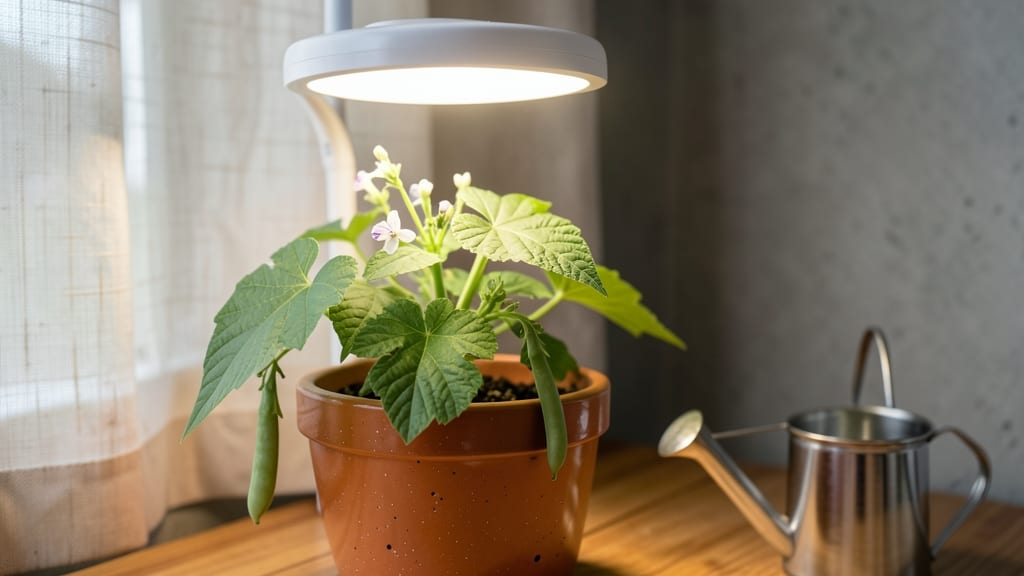
Growing beans indoors isn’t just possible—it’s a foolproof way to enjoy fresh, homegrown greens year-round. 🌱 My first attempt with dwarf blue lake beans proved that even in my dim apartment, these little powerhouses could produce a steady harvest with just a sunny windowsill and a little patience.
The key lies in choosing the right varieties and mimicking their natural growing conditions indoors.
You’ll need dwarf varieties like 'Blue Lake,' 'Mascotte,' or 'Roma II'—all bred to thrive in containers and handle lower light. A 5-gallon pot with drainage holes and lightweight potting mix gives roots room to stretch without soggy soil.
Place your setup near a south-facing window where it gets 6-8 hours of indirect light daily, or supplement with a basic grow light if natural light falls short.
By week 6, you’ll be harvesting tender pods straight from your kitchen counter. The plants stay compact, so they won’t take over your space, and the flavor? Freshness you can’t buy at the grocery store.
Just keep the soil consistently moist (not soggy) and pinch off flowers to encourage bushier growth—this is where most beginners go wrong.
Works for any indoor space, from bright living rooms to sun-starved basements. The only real challenge? Avoiding overwatering, which is why I always use a moisture meter. Once you master this, you’ll never buy canned beans again.
📚 In This Guide
- What you need
- Instructions
- Tips and common mistakes
- Wrapping up and next steps
What you need
- ● Dwarf bean seeds: Choose fast-growing varieties like Blue Lake Bush, Mascotte, or Contender (5–10 seeds per container).
- ● Containers: 5–10 gallon pots or grow bags with drainage holes (1–2 per plant).
- ● Potting mix: Well-draining, seed-starting mix or a blend of 60% peat moss, 30% perlite, and 10% vermiculite (1–2 bags).
- ● Grow lights: Full-spectrum LED lights (12–16 watts per square foot) or fluorescent bulbs (4000K–6500K color temp).
- ● Watering can or spray bottle: With a gentle nozzle to avoid disturbing soil.
- ● Fertilizer: Balanced liquid fertilizer (10-10-10 or 5-5-5) or organic options like fish emulsion.
- ○ Support structures (optional but helpful): Small stakes, trellises, or cages (for climbing varieties).
- ● Seedling heat mat: To speed up germination (especially in cooler homes).
- ● Humidity dome or plastic wrap: Keeps moisture in during early growth.
- ● pH tester: Ensures soil pH stays between 6.0–7.0 (beans prefer slightly acidic to neutral).
- ● Timer for grow lights: Automates 12–16 hours of light daily.
- ● Pruning shears: For trimming leggy growth or harvesting.
Step-by-step guide to growing dwarf beans indoors
Here's how to coax bush beans into thriving indoors—no sunny windowsill required.
🌱 Step 1: Select the Right Variety and Start Containers
Choose a bush bean variety like 'Blue Lake' or 'Contender'—they stay compact and don't need trellises. I use 4-inch diameter pots (one per plant) because dwarf beans have shallow roots but need room to spread. Fill each pot with sterile seed-starting mix (never garden soil—it's too dense and may harbor pathogens).
Tap the pot gently to settle the soil without compacting it. The surface should be firm enough to hold a seed in place but still crumbly. Pre-moisten the mix until it feels like a wrung-out sponge—evenly damp but not dripping. This prevents dry pockets where seeds might fail to germinate.
🌱 Step 2: Plant Seeds at the Correct Depth and Temperature
Drop 1-2 seeds per pot about 1 inch deep—deeper planting delays germination because the seedling must push through more soil. Cover lightly with additional mix, then mist the surface until evenly moist. I label each pot with the variety and date because seedlings look identical until they sprout.
Place pots in a warm spot (70-80°F)—a seedling heat mat works wonders. Without warmth, germination can stall for weeks. Keep the soil consistently moist (not soggy) until sprouts appear in 7-14 days. If you see mold on the soil surface, reduce humidity immediately—it invites damping-off disease.
☀️ Step 3: Provide Grow Lights for Strong, Compact Growth
The moment seedlings emerge, move them under a full-spectrum LED grow light positioned 4-6 inches above the plants. Natural light indoors is rarely strong enough, and beans need 12-14 hours of light daily to stay sturdy. You'll notice leggy growth if the light is too far away—stems stretch desperately toward it.
Raise the light as plants grow to maintain that 4-6 inch gap. Rotate pots quarter-turn daily so they grow straight instead of leaning. Strong seedlings have thick stems, deep green leaves, and compact spacing between nodes (the bumps where leaves attach). Weak ones look pale and stretched out.
💧 Step 4: Water and Fertilize for Bushy, Productive Plants
Water when the top inch of soil feels dry—stick your finger in to check. Overwatering is the fastest way to kill container beans. I use a self-watering tray to keep moisture consistent without soggy roots. Fertilize lightly every 2-3 weeks with a balanced, water-soluble fertilizer (10-10-10) diluted to half strength.
When the first true leaves (not the initial seed leaves) appear, side-dress with a handful of compost. This boosts nutrients without overwhelming the small root system. Avoid heavy-handed feeding—beans are legumes and fix their own nitrogen, so too much fertilizer leads to lush foliage but few pods.
✂️ Step 5: Harvest and Encourage Continuous Production
Start harvesting when pods reach 3-4 inches long—this is when they're tender and flavorful. I pinch off pods with my fingers to avoid damaging the vine. Regular harvesting encourages more production. If you see flowers but no pods, hand-pollinate by gently shaking the plant or using a small brush to transfer pollen.
After the first harvest wave, trim back any yellowing leaves and deadhead spent flowers. This redirects energy to new growth. With proper care, dwarf beans produce continuously for 6-8 weeks indoors. Save seeds from your best pods for next season—just let a few pods mature fully on the plant before drying them indoors.
Tips & tricks for perfect indoor bean cultivation
Here's what nobody tells you about growing bush beans indoors—these tricks make all the difference between struggling seedlings and a thriving harvest.
Container Selection: The 4-inch diameter pots might seem small, but dwarf beans actually prefer them over larger containers. Smaller pots encourage faster germination because the soil stays warmer and more consistently moist. If you're growing more than one plant, space pots at least 6 inches apart to prevent competition for nutrients and airflow. I've found that terracotta pots work especially well because they allow excess moisture to evaporate, reducing the risk of root rot.
Germination Troubleshooting: If your seeds aren't sprouting within the 14-day window, check three things first: warmth, moisture, and freshness. Place a thermometer near your pots to confirm they're maintaining that 70-80°F range—seedling heat mats are worth their weight in gold here. If the soil feels dry even an inch below the surface, your seeds won't germinate. And if you've had your bean seeds for more than a year, they may have lost viability—try fresh seeds instead.
Light Management: That 12-14 hours of daily light isn't just about duration—it's about intensity. If your grow light causes the leaves to touch it, you're too close. The ideal 4-6 inch gap ensures your plants get enough light without burning. I've seen many beginners make the mistake of leaving their grow lights on 24/7, which actually stresses the plants. Stick to the 12-14 hour window and you'll get stronger, more compact growth. Rotating those pots daily might seem like overkill, but it prevents your plants from growing toward one side of the light source.
Harvest Timing: Those 3-4 inch pods are the sweet spot for flavor and texture, but timing is everything. Check pods every other day starting around week 5. If you wait too long, they'll become tough and stringy. And here's a pro tip: harvest in the morning when pods are at their crispest. The first harvest wave will be your most abundant—after that, your plants will need about 5-7 days between harvests to recover and produce new flowers.
Pro Tips for Growing Beans Indoors
- Here's what nobody tells you about growing bush beans indoors—these tricks make all the difference between struggling...
- Container Selection: The 4-inch diameter pots might seem small, but dwarf beans actually prefer them over larger cont...
- Germination Troubleshooting: If your seeds aren't sprouting within the 14-day window, check three things first: warmt...
Frequently asked questions
Got questions about growing beans indoors?
Here are answers to the most common ones—from sunlight hacks to troubleshooting picky plants.
Can I grow beans indoors without natural sunlight?
Dwarf varieties like Blue Lake Bush or Mascotte thrive under grow lights (12–16 hours/day). Place lights 6–12 inches above plants and use a timer for consistency. Skip the sun? No problem—just mimic it with LED bulbs!
How long does it take for indoor beans to produce?
Most dwarf beans mature in 50–60 days from seed, but indoor growth can stretch to 70–80 days due to lower light. Start seeds indoors 4–6 weeks before your last frost (if transplanting later) or sow directly into containers. Patience pays off—harvest when pods are firm and snap easily!
Why are my indoor bean leaves turning yellow?
Yellow leaves usually mean overwatering or nutrient deficiency. Let soil dry slightly between waterings (top inch should be dry), and fertilize every 2–3 weeks with a balanced, diluted liquid fertilizer (e.g., 10-10-10). Pro tip: Check for root rot—if stems feel mushy, reduce water and improve drainage!
What’s the best container size for indoor beans?
Aim for at least 5–7 gallons per plant (or 12+ inches deep) to support roots. Use containers with drainage holes and fill with lightweight potting mix. Space-saving hack: Grow 2–3 plants in a large container (like a fabric grow bag) if they’re bush varieties—just thin seedlings to avoid crowding!
Are there alternatives to traditional beans for indoor growing?
Yes! Try pole beans in hanging baskets (like Kentucky Wonder) or microgreens (e.g., bean sprouts) for faster harvests. For zero sunlight, mung beans or adzuki beans sprout in as little as 3–5 days—perfect for snacking or salads. Just ensure good airflow to prevent mold!
Wrapping up and next steps
Growing beans indoors is a rewarding way to enjoy fresh produce year-round—even in small spaces! With the right dwarf varieties, proper lighting, and a little care, you can harvest crisp, flavorful beans without needing a sunny windowsill.
Whether you’re a beginner or a seasoned gardener, this method proves that homegrown food is always within reach.
Ready to take the next step? Start with one container and a few seeds—your first homegrown bean could be just weeks away! 🌱