
Propagation
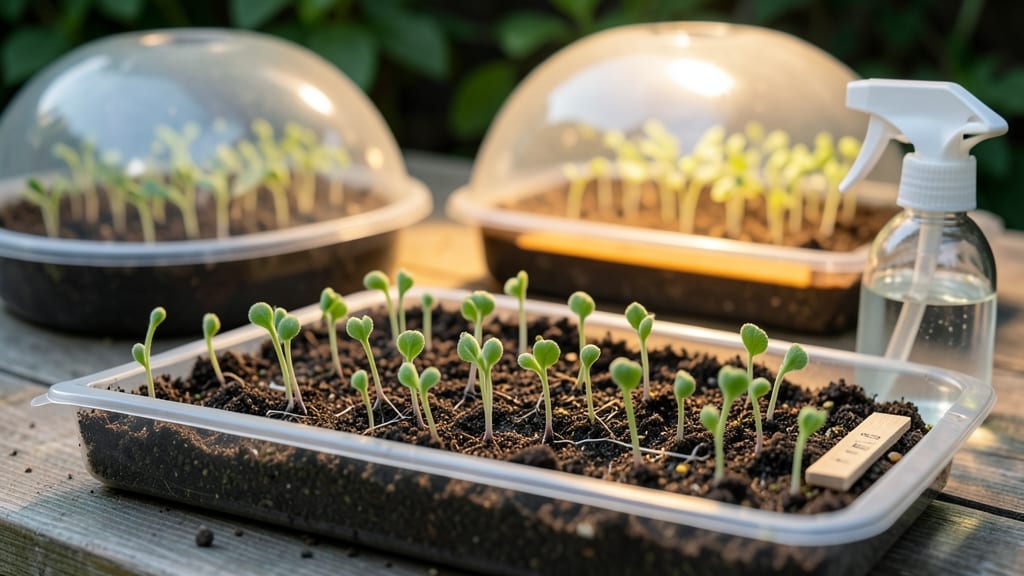
Germinating flower seeds indoors can turn a dim windowsill into a nursery of future blooms—if you skip the heavy, compacted soil that slows sprouts to a crawl. 🌱 I learned this the hard way after watching my delicate petunia seeds take three weeks to crack the surface, while my neighbor's seedlings popped up in half the time.
The secret? A lightweight mix that lets air and moisture reach those tiny roots without smothering them.
Start with a 50-50 blend of peat-free potting mix and perlite or vermiculite—this combo stays loose, drains well, and warms up faster under grow lights or heat mats.
Add a shallow tray (just 2-3 inches deep) to hold seeds close to the surface, since most flowers need only 1/8 inch of soil to cover them. Keep the tray in a warm spot (70-75°F) until sprouts appear, then move to bright light to prevent leggy seedlings.
You'll see the first green hooks peeking through in 5-14 days, depending on the flower type—annuals like zinnias sprout in a week, while perennials like lavender can take three.
The key is consistency: keep soil damp (not soggy) and avoid moving the tray once seeds are planted, or you'll confuse their tiny compasses. Transplanting outdoors comes next, but that's where the real magic happens—watch those fragile sprouts turn into vibrant blooms by summer.
For slow starters, try a bottom-watering trick: place the tray in an inch of warm water for 10 minutes daily to encourage even germination. And if mold appears? That's your soil staying too wet—swap out the mix and start fresh.
The payoff? A head start on the season, faster blooms, and the satisfaction of growing flowers from seed that would never survive store-bought transplants in your climate.
📚 In This Guide
- What you need
- Instructions
- Tips and common mistakes
- Wrapping up and next steps
What you need
- ● Flower seeds: Choose fast-growing varieties (e.g., marigolds, zinnias, or impatiens) for quicker results. Quantity: 10–20 seeds per tray (adjust based on seed size).
- ● Seed-starting trays or containers: 2–4" deep with drainage holes. Options: Plastic cell packs, biodegradable pots, or repurposed egg cartons.
- ● Lightweight potting mix: Seed-starting mix (sterile, well-draining). Avoid: Garden soil or compost-heavy blends.
- ● Spray bottle: With a fine mist nozzle for gentle watering.
- ○ Clear plastic dome or plastic wrap: To retain humidity (optional but helpful for slow-germinating seeds).
- ● Grow lights or sunny windowsill: 6–8 hours of warm light (60–75°F) daily. LED grow lights are ideal for indoor setups.
- ○ Heating mat (optional): For seeds needing warmth (e.g., petunias). Temp: 70–80°F.
- ● 🌡️ Moisture: Keep the soil damp (not soggy) by misting daily. Use a tray with water + pebbles for consistent humidity.
- ● 🔄 Airflow: A small fan on low (2–3 hours/day) prevents mold. Pro tip: Place it near—but not on—the seedlings!
- ● ✨ Labeling: Use toothpicks + masking tape to track seed types and planting dates.
Step-by-step instructions for germinating flower seeds indoors
Here’s how to bypass slow germination with lightweight soil techniques that speed up sprouts.
🌱 Step 1: Prepare Lightweight Seed Starting Mix
Skip heavy garden soil—it compacts and suffocates tiny roots. Instead, blend one part perlite with two parts seed-starting mix to create an airy, crumbly texture. This prevents waterlogging while keeping moisture consistent. I like to sift the mix through a fine-mesh screen to eliminate clumps that could block seed contact with soil.
Moisten the blend with lukewarm water until it holds together when squeezed but doesn’t drip. The goal is dampness, not sogginess—think of a wrung-out sponge. If water pools on top, you’ve overdone it; let it drain for 10 minutes before proceeding. This lightweight mix lets seeds breathe and germinate 2-3 days faster than traditional soil.
💧 Step 2: Sow Seeds at the Right Depth and Moisture Level
Plant seeds at a depth of twice their diameter—most flower seeds need only ¼ inch of coverage. I use a toothpick to poke small holes and drop seeds one at a time, spacing them ½ inch apart to avoid overcrowding. Cover lightly with a pinch of the same mix, then mist the surface with a spray bottle until the soil looks evenly damp but not glistening.
Here’s the trick: After sowing, place the tray in a clear plastic bag (like a produce bag with holes punched in the sides) to trap humidity. Seal it loosely and set it in a warm spot (70-75°F)—a seedling heat mat works wonders. Check daily for condensation; if droplets form, unzip the bag for 10 minutes to prevent fungal issues. You’ll see first sprouts in 5-10 days, depending on the flower type.
☀️ Step 3: Provide Controlled Light and Ventilation
As soon as the first green tips appear, remove the plastic bag and move seedlings to bright, indirect light. A south-facing window or grow light (12-14 hours daily) prevents leggy growth. I position my lights 2-3 inches above seedlings and raise them weekly as they grow. Watch for pale, stretched stems—this means light is too distant.
Ventilate the tray for 10 minutes daily to harden seedlings. Avoid drafts, though—cool air can shock tender sprouts. Once seedlings develop first true leaves (not the initial seed leaves), thin to the strongest plant per cell. Use clean scissors to snip weak sprouts at soil level, leaving no stubs behind.
⏰ Step 4: Transition to Independent Growth
After 2-3 weeks, when seedlings show 3-4 sets of leaves, it’s time to graduate them. Water deeply one day before transplanting to encourage root development. Gently remove seedlings by their leaves (never the stems) and transfer them to individual pots with the same lightweight mix. Bury them to the same depth they grew in the tray.
Place pots in a shaded outdoor spot for 3-4 days to acclimate, gradually increasing sun exposure. This prevents transplant shock. You’ll know they’re thriving when new growth appears within 5-7 days—that’s your signal to move them to full sun. The lightweight soil trick ensures roots establish quickly, so you won’t lose momentum.
Tips & tricks for faster flower seed germination
Here's what nobody tells you about accelerating those stubborn sprouts—these tricks cut germination time in half while keeping your seedlings strong.
Soil Texture Secret: The 1:2 perlite-to-seed-starting mix ratio isn't just about aeration—it's about creating microscopic air pockets that seeds need to breathe. After mixing, press the blend into your tray with just enough firmness to hold the shape when tapped. Too loose and seeds won't have stable contact; too compact and you'll recreate the problems you're trying to avoid. Think "fluffy cake batter" consistency.
Temperature Precision: That 70-75°F range is critical, but most homes struggle to maintain consistent warmth. Place your seed tray on top of a refrigerator (not inside) or use a seedling heat mat set to low—both create stable bottom heat without overheating. Pro move: Use an infrared thermometer to check the soil surface temperature daily. If it drops below 70°F, your germination window stretches by days.
Light Transition Strategy: When you remove the plastic bag at Step 3, don't rush to full sun exposure. Start with 2-3 hours of indirect light on the first day, then gradually increase by 1-2 hours daily. This gradual acclimation prevents shock that causes seedlings to stretch toward light. I've seen seedlings that would've become leggy actually develop sturdy stems using this approach—it's like giving them a gentle sunburn protection factor.
Condensation Management: The 10-minute daily ventilation window is your fungal prevention safety net, but timing matters. Open the bag when condensation forms in the morning—this prevents moisture from sitting on seeds overnight. I keep a small fan nearby on low setting during this ventilation period to create gentle airflow without creating drafts. This mimics natural wind patterns that strengthen seedlings.
Pro Tips for Germinating Flower Seeds Indoors
- Here's what nobody tells you about accelerating those stubborn sprouts—these tricks cut germination time in half while keeping your seedlings strong.
- Soil Texture Secret: The 1:2 perlite-to-seed-starting mix ratio isn't just about aeration—it's about creating microscopic air pockets that seeds need to breathe.
- Temperature Precision: That 70-75°F range is critical, but most homes struggle to maintain consistent warmth.
Frequently asked questions
Got questions about germinating flower seeds indoors?
You’re not alone! Here are answers to the most common concerns—from timing to troubleshooting—so you can grow confidently.
How long does it take for flower seeds to germinate indoors?
Germination time varies by plant type, but most flower seeds sprout within 7–21 days under ideal conditions (warmth, moisture, and light). Delicate seeds like petunias may pop up in 5–10 days, while tougher ones like marigolds could take 2–3 weeks. Patience is key—don’t give up before 3 weeks!
What if my seeds aren’t sprouting? Troubleshooting tips?
If seeds refuse to sprout, check these common culprits:
- Temperature: Too cold? Use a seedling heat mat (70–85°F is ideal).
- Moisture: Overwatering suffocates seeds; underwatering dries them out. Aim for consistently damp (not soggy) soil.
- Light: Seeds need indirect light (e.g., a sunny windowsill or grow light).
- Freshness: Old seeds (over 1 year) may fail—test viability by soaking in water (sink = good, float = bad).
Can I use regular potting soil for germinating seeds?
While potting soil works, seed-starting mix is lighter and drains better, reducing rot risk. For a budget-friendly alternative, blend 50% peat moss or coconut coir + 50% perlite/vermiculite. Avoid garden soil—it’s too dense and may harbor pathogens. Pro tip: Sterilize your mix by baking it at 200°F for 30 minutes to kill fungi!
When should I move seedlings to bigger pots?
Transplant when seedlings have 2–3 true leaves (not just the initial seed leaves) and look crowded. Use pots 3–4 inches wide with drainage holes. Harden off seedlings 1 week before outdoor planting by gradually exposing them to outdoor conditions (start with 1–2 hours/day).
Are there any flowers that germinate too easily for beginners?
Start with these low-maintenance champions:
- Zinnias – Fast (5–7 days), colorful, and drought-tolerant.
- Sunflowers – Large seeds germinate in 7–14 days; fun for kids!
- Marigolds – Resistant to pests and sprout reliably.
- Nasturtiums – Edible, cold-hardy, and germinate in 7–10 days.
Wrapping up and next steps
Germinating flower seeds indoors with lightweight soil is a rewarding way to jumpstart your gardening journey—no green thumb required! 🌱 With the right setup, patience, and a few clever tricks, you’ll soon watch tiny sprouts break through the soil, ready to bloom into vibrant flowers.
The key is consistency: keep those seeds cozy, hydrated, and well-lit, and don’t forget to celebrate each tiny milestone.
Now that you’re armed with the know-how, it’s time to take the next step. Start with a few easy-to-germinate seeds like marigolds or snapdragons, then gradually experiment with your favorites.
Before you know it, you’ll be transplanting those sturdy seedlings outdoors—or sharing your newfound skills with fellow plant lovers! Happy growing! 🌸