
Propagation
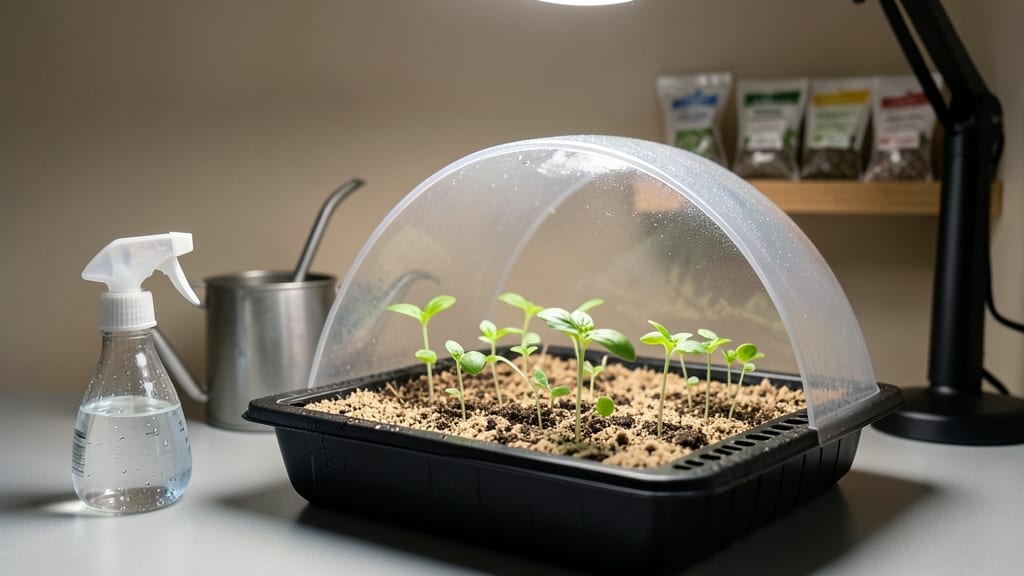
Germinating basil seeds indoors is all about speed—those tiny seeds can sprout in just 3-7 days with the right setup. 🌱 I’ve watched my first batch take weeks, then my next batch pop up in days—same seeds, same soil, just a few tweaks that made all the difference.
The secret isn’t magic; it’s control over moisture, warmth, and light from day one.
You’ll need a shallow container (even a repurposed egg carton works), a mix of potting soil and perlite for drainage, and a spray bottle to keep things damp—not soggy.
Temperature is key: basil loves warmth, so place your setup on a seedling mat or near a sunny window (but not in direct sun yet). Overwatering is the #1 killer—let the top inch dry between mistings, and cover the container with plastic wrap to trap humidity.
By day 5, you’ll see those first green hooks breaking through the soil, and by week 2, you’ll have sturdy seedlings ready for light. The payoff? Fresh basil in 6-8 weeks, not the 12+ weeks store-bought plants take to mature.
Plus, you’ll avoid the sad, leggy seedlings that come from big-box stores.
This method works for any indoor space, from kitchen windows to grow lights. The only rule? Don’t rush it—patience here means stronger plants later. Ready to turn those seeds into a thriving herb garden?
📚 In This Guide
- What you need
- Instructions
- Tips and common mistakes
- Wrapping up and next steps
What you need
- ● Basil seeds: 1 packet (50–100 seeds) – Look for sweet basil or Genovese varieties for best flavor.
- ● Seed-starting mix: 1–2 cups of sterile, seedling-specific soil (or a blend of 50% peat moss and 50% perlite/vermiculite). Avoid garden soil—it’s too dense!
- ● Seed trays or small pots: 2–4 (3–4 inches deep) with drainage holes. Clear plastic trays work great for visibility.
- ● Spray bottle: 1 (8–16 oz) with a fine mist nozzle for gentle watering.
- ● Plastic wrap or humidity dome: 1 sheet (or a clear lid for trays) to retain moisture.
- ● Grow lights or sunny windowsill: A full-spectrum LED grow light (12–16 hours/day) or a south-facing window (60+°F/15°C).
- ○ Heating mat (optional but helpful): 1 (70–85°F/21–29°C range) to speed up germination.
- ● Tweezers or toothpick: 1 pair for precise seed placement.
- ● Fertilizer: 1 tsp of balanced liquid fertilizer (5-5-5 or 10-10-10) diluted to half-strength for post-germination care.
- ○ Fan (small, optional): 1 for gentle airflow (30 mins/day) to strengthen seedlings.
- ● Labels & markers: To track planting dates and varieties.
- ● Scissors: For trimming plastic wrap if needed.
Step-by-step instructions for germinating basil seeds indoors
Here’s how to coax those stubborn basil seeds to sprout in record time—no waiting weeks for results.
🌱 Step 1: Prep Seeds and Soil for Optimal Germination
Start by soaking your basil seeds in a small bowl of lukewarm water for 12 hours. This softens the tough outer shell, helping roots break through faster. I like to use a tiny mesh strainer so I don’t lose any seeds—basil seeds are tiny, and you’ll want every one to count. After soaking, drain them well and let them sit on a paper towel for another 30 minutes to dry slightly.
While the seeds soak, fill your seed-starting tray with moistened seed-starting mix—not regular potting soil, which can be too dense. Press the mix down gently so it’s firm but not compacted. You want it to hold moisture without turning to mud. A good test: squeeze a handful—it should hold together but not drip water when you release it.
💧 Step 2: Plant Seeds Just Below the Surface
Basil seeds need light to germinate, so don’t bury them deep. Use a toothpick to poke ¼-inch-deep holes in the soil, about ½ inch apart. Place 1-2 seeds per hole—this gives you backup if one doesn’t sprout. I tap the seed packet gently to release seeds one at a time; planting too many in one hole leads to weak, crowded seedlings later.
Cover the tray with a clear plastic dome or wrap plastic wrap snugly over it. This traps warmth and humidity, which basil seeds love. Place the tray in a warm spot—75-80°F is ideal. A sunny windowsill or a seedling heat mat works best. You’ll see condensation on the plastic within hours—that’s perfect. Check daily but don’t remove the cover yet; basil seeds need that humid environment to sprout.
☀️ Step 3: Monitor for Sprouts and Adjust Conditions
Germination usually happens in 5-10 days, but basil can be stubborn. Watch for tiny green sprouts poking through the soil—this is your signal to act fast. The moment you see 50% of seeds sprouted, remove the plastic cover immediately. Trapped moisture now will cause damping-off, a fungal disease that turns seedlings to mush overnight.
Move the tray to a bright, indirect light spot right away. Basil seedlings need 12-14 hours of light daily, but direct sun can scorch them. A south-facing window works, but if your light is weak, supplement with a grow light kept 2-3 inches above the seedlings. You’ll know they’re getting enough light when their leaves are dark green and compact—not stretched out and pale.
🌿 Step 4: Thin and Care for Strong Seedlings
Once seedlings have 2-3 true leaves (not just the first tiny cotyledons), it’s time to thin. Use scissors to snip the weaker seedling at soil level, leaving the strongest one per cell. This prevents overcrowding and gives the remaining plant room to grow. Water gently from the bottom after thinning—never from above, or you’ll disturb the soil and risk uprooting the delicate seedlings.
Keep the soil evenly moist but not soggy. Stick your finger ½ inch deep into the soil—if it feels dry, water lightly. Basil seedlings are sensitive to both over- and under-watering. You’ll see them perk up with bold, glossy leaves and sturdy stems. If they start to yellow or wilt, adjust your watering or light immediately. Basil is a fast grower, so don’t let them dry out!
⏰ Step 5: Prepare for Transplanting
When seedlings reach 3-4 inches tall and have 4-5 true leaves, they’re ready to move to individual pots. Harden them off first by placing them outside in a shaded spot for 1-2 hours the first day, gradually increasing time over 5-7 days. This toughens them up so they don’t shock when planted outdoors.
Use the 2-inch pots you’ve been using (or larger) with fresh seed-starting mix. Plant each seedling 1 inch deep, firming the soil gently around the base. Water well and place them in a spot with full sun—basil thrives in warmth and light. In just 2-3 weeks, you’ll have bushy, fragrant basil ready for your kitchen or garden!
Tips & tricks for speed-sprouting basil seeds
Here's what nobody tells you about getting those basil seeds to sprout faster than ever.
Soaking Secret: The 12-hour soak is your golden ticket, but don't skip the 30-minute drying step afterward. I learned this the hard way after ruining three batches with seeds that clumped together and wouldn't separate. Pat them dry with a paper towel to prevent mold—this is especially important if your kitchen stays humid. (Seriously, don't skip this!) The seeds should feel slightly tacky but not wet when you handle them.
Light Trick: Basil seeds are photoblastic, meaning they need light to germinate. That's why planting them just ¼-inch deep is crucial—they won't sprout if buried too deep. I've found that using a toothpick to make precise holes helps prevent over-planting. Pro tip: If you're using a seed-starting mat, place your tray on it during the germination phase to maintain that perfect 75-80°F temperature without extra effort.
Humidity Hack: The plastic dome isn't just for warmth—it's creating a mini greenhouse effect. You'll know it's working when condensation forms on the inside. If you notice water droplets dripping onto your seeds after the first day, that's a good sign! But here's the thing: once you see 50% germination, remove that cover immediately. I've seen damping-off fungus strike within 24 hours of leaving the plastic on too long—it's heartbreaking to watch.
Lighting Upgrade: For the 12-14 hours of light daily, I recommend using a simple LED grow light on a timer. Position it just 2-3 inches above your seedlings—they'll grow toward it like little sun worshippers. Watch for those leaves to stay dark green and compact; if they start stretching toward the light, they're begging for more. This is when you know your basil is thriving and ready to grow into that fragrant herb you love.
Pro Tips for Germinating Basil Seeds Indoors
- Here's what nobody tells you about getting those basil seeds to sprout faster than ever.
- Soaking Secret: The 12-hour soak is your golden ticket, but don't skip the 30-minute drying step afterward. I learned...
- Light Trick: Basil seeds are photoblastic, meaning they need light to germinate. That's why planting them just ¼-inch...
Frequently asked questions
Got questions about germinating basil seeds indoors? You’re not alone! Here are answers to the most common queries to help you grow a thriving basil harvest with ease.
How long does it take for basil seeds to germinate indoors?
Basil seeds typically sprout in 7–14 days when kept in warm, moist conditions (around 70–75°F). Patience is key—some seeds may take longer, especially if soil is too cold or dry. Check daily for tiny sprouts!
Can I speed up germination?
Yes! Try these tricks: Soak seeds in warm water for 4–6 hours before planting, use a seedling heat mat (or place trays on top of a fridge), and cover with plastic wrap to retain humidity. Light exposure isn’t critical yet—focus on warmth and moisture first!
What if my basil seeds aren’t sprouting?
Don’t panic! First, check if seeds are fresh (old seeds may fail). Ensure your growing medium is moist but not soggy—overwatering can suffocate seeds. Try scratching the seed coat lightly with sandpaper (some basil seeds have a hard outer layer) or replant with fresh soil.
Do I need grow lights for indoor basil germination?
Not yet! Basil seeds don’t need light to germinate—focus on warmth and moisture first. Once sprouts emerge (about ½ inch tall), introduce 12–16 hours of grow lights daily to prevent leggy seedlings. A sunny windowsill works too!
Can I reuse soil from last year’s basil plants?
It’s risky—old soil may harbor fungus or pests. Instead, use sterile seed-starting mix or repurpose potting soil by baking it at 200°F for 30 minutes to kill pathogens. Fresh soil ensures healthier, faster germination!
Wrapping up and next steps
Germinating basil seeds indoors is a rewarding way to kickstart your herb garden—especially when you’re eager for fast, healthy growth! With the right tools, patience, and a few pro tricks, you’ll soon be harvesting fresh basil for pesto, salads, or teas. 🌱
Now that you’re armed with the know-how, why not take the next step? Start your seeds today, and in just a few weeks, you’ll be enjoying the aromatic, vibrant flavor of homegrown basil. Happy growing!