
Container Gardens
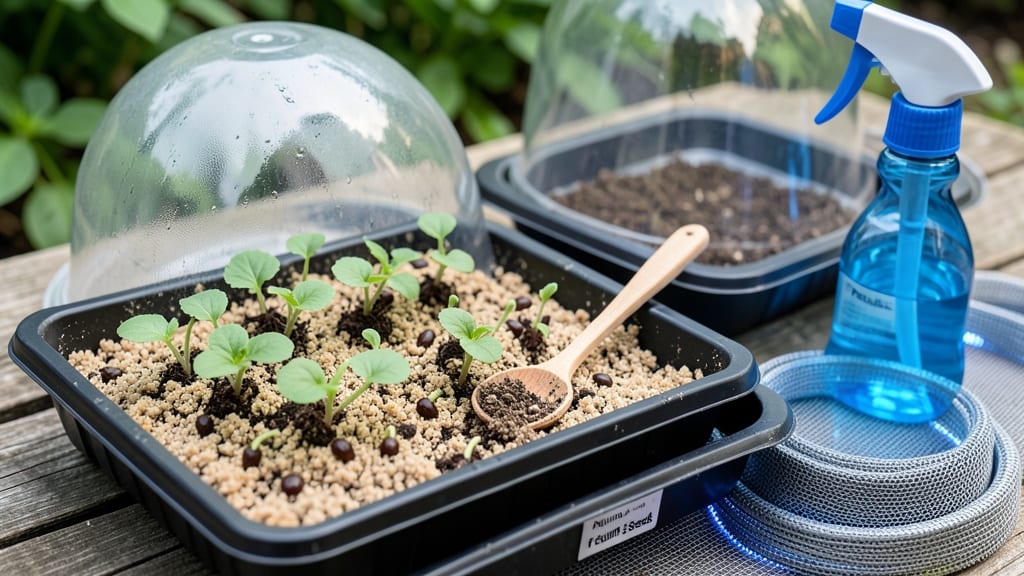
Planting petunia seeds indoors transforms a simple tray into a riot of color by summer. 🌱 I’ve turned my kitchen windowsill into a petunia nursery for years, and the secret isn’t complicated—just patience, the right soil, and consistent warmth.
Most people give up after two weeks, but with these steps, you’ll see those first green shoots in just 10-14 days, and blooms by 6 weeks. You’ll need a seed tray, sterile seed-starting mix, and a heat mat or warm spot near a sunny window. The biggest mistake?
Overwatering or letting the soil dry out. Petunia seeds are tiny but tough—keep the soil moist (not soggy) and warm (around 70°F), and they’ll germinate reliably. I’ve even used recycled plastic containers with great results.
By the time you’re ready to transplant, your seedlings will be sturdy and ready for their outdoor home. The payoff? A summer of nonstop blooms in shades of pink, purple, and white that’ll make your neighbors jealous. No more wilting store-bought petunias—just homegrown, thriving plants that keep giving all season.
Works for any sunny windowsill or grow light setup. Here’s how to do it right the first time—no black thumbs required.
📚 In This Guide
- What you need
- Instructions
- Tips and common mistakes
- Wrapping up and next steps
What you need
- ● Petunia seeds: Choose a variety you love—compact, trailing, or grandiflora. A packet typically contains 50–100 seeds (enough for 6–12 small pots).
- ● Seed-starting trays or small pots: 2–4 inch deep containers with drainage holes. A 10-pack of cell trays or 4–6 small pots (3–4 inches wide) works well.
- ● Seed-starting mix: A lightweight, sterile mix designed for seedlings (avoid garden soil—it’s too dense!). A 10–20 quart bag covers most projects.
- ● Grow lights or a sunny windowsill: Petunias need 12–16 hours of light daily. A full-spectrum LED grow light (or a south-facing window) is ideal.
- ● Plastic wrap or a humidity dome: Keeps moisture in while seeds germinate. A clear plastic wrap or a humidity dome lid for trays does the trick.
- ● Misting bottle or spray nozzle: Keeps soil consistently moist without drowning seeds. A 16 oz. spray bottle is perfect.
- ○ Fertilizer (optional but helpful): A balanced, water-soluble fertilizer (like 10-10-10) diluted to half-strength for seedlings.
- ● Small hand trowel or spoon: For gently pressing seeds into soil (1–2 inches wide works).
- ● Labels & markers: Toothpicks or plant tags + a permanent marker to track varieties.
- ○ Heat mat (optional): Speeds up germination—aim for 70–75°F. A 10x20 inch mat fits most trays.
- ○ Tweezers (optional): Helps place tiny seeds precisely (fine-tipped works best).
- ○ Fan (optional): A small oscillating fan on low strengthens seedlings by mimicking wind.
Step-by-Step instructions for planting petunia seeds indoors
Here’s how to turn tiny petunia seeds into blooming trays in just six weeks—no green thumb required.
🌱 Step 1: Prepare Seed Trays and Soil Mix
Fill your 4-cell seed trays with sterile seed-starting mix (never garden soil—it’s too dense and may harbor fungi). Moisten the mix until it feels like a damp sponge, but don’t let it drip. Press it down lightly so the surface is firm but not compacted. This ensures roots can anchor without floating seeds.
I like to sprinkle a thin layer of perlite over the soil before planting. It keeps the mix loose and prevents damping-off, a fungal disease that can wipe out seedlings overnight. Use just enough to cover the bottom of each cell—about 1/8 inch—so it doesn’t smother the seeds.
🌱 Step 2: Sow Seeds and Cover for Germination
Petunia seeds are tiny, so I use the tip of a toothpick to place 1-2 seeds per cell, about 1/8 inch deep. Sowing too deep delays germination because the seedling has to push through extra soil. Gently press the seeds into the mix—don’t bury them.
Cover the tray with a clear plastic dome or wrap it in plastic wrap to trap warmth and moisture. Place it in a warm spot (70-75°F) like on top of the fridge or near a sunny window. Germination takes 7-14 days, but don’t be tempted to water yet—the dome keeps humidity high enough.
☀️ Step 3: Provide Light and Thin Seedlings
Once seeds sprout, remove the dome immediately to prevent fungal growth. Move the tray to a bright, south-facing window or under grow lights for 14-16 hours daily. Petunias need strong light to stay compact—without it, they’ll stretch leggy and flop over.
When seedlings have 2-3 true leaves (not the first tiny cotyledons), thin them to 1 per cell using scissors. Snip the weaker one at the base so you don’t disturb the roots of the one you’re keeping. This prevents competition and gives your petunias room to grow.
💧 Step 4: Fertilize and Harden Off
After 3-4 weeks, when seedlings are 2 inches tall, start feeding them with a diluted liquid fertilizer (half-strength). I use a balanced 10-10-10 mix every 2 weeks to encourage lush growth. Water from the bottom of the tray to avoid disturbing the delicate stems—just set the tray in 1/2 inch of water for 10 minutes.
Two weeks before your last frost, begin hardening off the seedlings. Place them outside in a shaded, sheltered spot for 1 hour the first day, then gradually increase time and sun exposure over 7-10 days. This toughens them up so they don’t get shocked when transplanted outdoors.
🪴 Step 5: Transplant and Enjoy Blooms
Transplant seedlings into individual 4-inch pots or directly into the garden after all frost risk has passed. Bury them up to their first true leaves—this encourages stronger root growth. Water deeply right after planting to settle the soil around the roots.
With proper care, your petunias will start blooming in 6-8 weeks from seed. Pinch back the tips of leggy stems to encourage bushier growth, and deadhead spent flowers to keep the blooms coming. Soon, you’ll have trays full of vibrant color—no waiting for nursery plants!
Tips & tricks for perfect petunia seedlings
Here's what nobody tells you about growing petunias from seed—these tricks will help you avoid the most common pitfalls and give your seedlings the best start possible.
Soil Prep Secret: After filling your 4-cell seed trays with sterile seed-starting mix, give it a gentle press with your fingers to create a firm but not compacted surface. This prevents seeds from floating when you water. I also like to sprinkle a thin layer of perlite—not just on top, but mixed into the bottom inch of soil in each cell. This creates better drainage and prevents that dreaded damping-off fungus that can wipe out seedlings overnight.
The Light Factor: Petunias are light-hungry plants, and those 14-16 hours of daily light in Step 3 are non-negotiable. If your south-facing window isn't bright enough (especially in winter), supplement with a simple LED grow light. Position it just 6 inches above the seedlings—closer than you might think! I've seen seedlings stretch into sad, leggy sticks when they don't get enough light, and it's heartbreaking after all that work.
Thinning Technique: When it's time to thin to 1 seedling per cell, don't pull them out by hand—use clean scissors to snip at the base. This prevents disturbing the roots of your kept seedling. I also recommend thinning when the seedlings are slightly damp (after watering) so the soil sticks together and minimizes mess. The key is to work quickly—petunias grow fast once they get going!
Hardening Off Hack: For the 7-10 day hardening off period, I start with just 1 hour on the first day in a shaded spot. But here's my secret: I place the seedlings on a small tray with pebbles and water underneath. As they transpire, they create their own humid microclimate which helps reduce transplant shock. Gradually move them to sunnier spots each day, but always bring them back inside at night until they're fully hardened off.
Pro Tips for Planting Petunia Seeds Indoors
- Here's what nobody tells you about growing petunias from seed—these tricks will help you avoid the most common pitfal...
- Soil Prep Secret: After filling your 4-cell seed trays with sterile seed-starting mix, give it a gentle press with yo...
- The Light Factor: Petunias are light-hungry plants, and those 14-16 hours of daily light in Step 3 are non-negotiable...
Frequently asked questions
Got questions about starting petunia seeds indoors?
You’re not alone! Here are answers to the most common concerns—so you can grow vibrant blooms with confidence.
How long does it take for petunia seeds to germinate?
Petunia seeds typically germinate in 14–21 days under ideal conditions (warmth, moisture, and light). Keep soil consistently moist but not soggy—patience is key! If you don’t see sprouts after 3 weeks, gently check for seeds (they’re tiny!) and consider replanting if needed.
When is the best time to start petunia seeds indoors?
For most climates, start seeds 8–10 weeks before your last frost date. This gives seedlings enough time to mature before transplanting outdoors. Use a frost calculator to pinpoint your zone’s ideal window—typically February or March for most U.S. regions.
Can I use regular potting soil for petunia seeds?
No! Petunia seeds need light, sterile soil to germinate. Mix a 50/50 blend of seed-starting mix and perlite (or coconut coir) for airflow. Avoid garden soil—it’s too dense and may harbor fungi. Pro tip: Surface-sow seeds (don’t bury them!) and mist lightly with water.
Why aren’t my petunia seedlings growing?
Slow growth often stems from low light, cold temps, or overwatering. Check these fixes:
- Light: Place trays under grow lights 14–16 hours/day (south-facing windows work but may be weak).
- Heat: Keep soil at 70–75°F with a heat mat if needed.
- Water: Bottom-water trays to avoid damping-off (fungal rot). Let soil dry slightly between waterings.
What’s a good alternative if I can’t grow petunia seeds?
No problem! Buy healthy young seedlings from nurseries (look for compact, dark-green plants). Alternatively, try petunia cuttings—snip 3–4 inch stems, dip in rooting hormone, and place in water or moist soil. Verbena or calibrachoa are also easy indoor starters with similar care!
How do I harden off petunia seedlings before transplanting?
Acclimate seedlings to outdoor conditions over 7–10 days:
- Start with 1–2 hours in partial shade, increasing time daily.
- Gradually expose them to wind and direct sun (afternoon sun can scorch tender leaves).
- Avoid transplanting if night temps dip below 50°F—petunias are frost-sensitive!
Wrapping up and next steps
Planting petunia seeds indoors is a rewarding way to kickstart your garden and enjoy vibrant blooms in just six weeks! With the right tools, patience, and a little care, you’ll transform tiny seeds into lush, flowering plants ready for containers or your outdoor space. 🌱
Now that you’re equipped with all the tips and tricks, take that next step—grab your supplies, set up your seed trays, and watch your petunia dreams grow!
Soon, you’ll be surrounded by a sea of color, and your container garden will be the envy of the neighborhood. Happy planting! ✨