
Planting
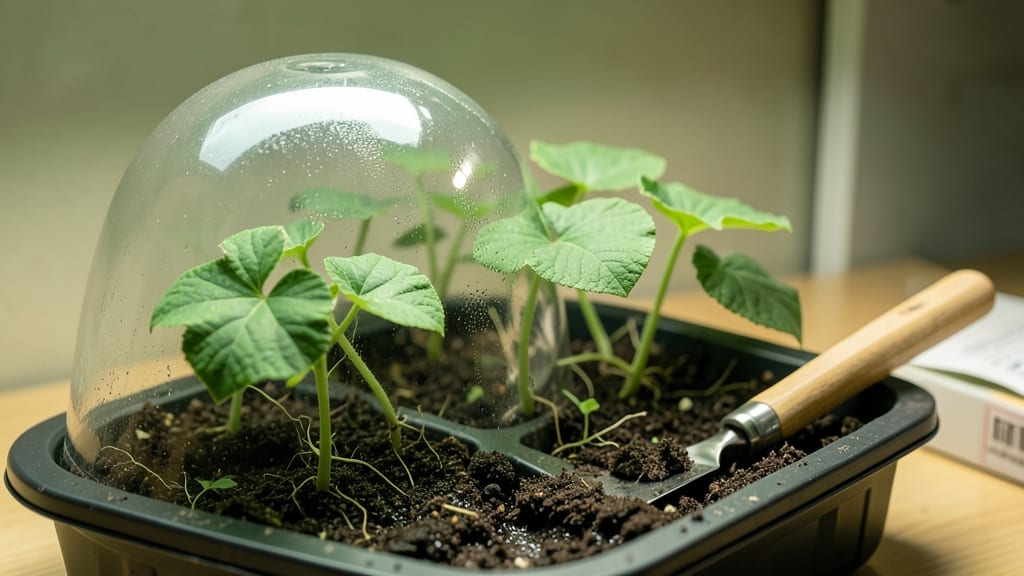
To start cucumber seeds indoors in Zone 7, begin 6 weeks before your last frost date—around early March for most of the region—to give seedlings the strong, sturdy roots they need before transplanting.
Timing is everything when growing cucumbers in Zone 7—start seeds too early, and they’ll bolt; too late, and frost will kill them. Follow this precise 6-week pre-frost timeline to maximize yield and hardiness.
Why does this matter? Cucumbers are heat-loving plants that won’t tolerate cold soil, so getting them off to a fast start indoors ensures they’re ready to hit the garden when temperatures climb. Plus, a well-timed transplant means fewer pests and stronger vines.
In this guide, you’ll learn exactly how to calculate your Zone 7 planting window, avoid common seed-starting mistakes, and prepare seedlings for a smooth transition outdoors—so you’re harvesting crisp, homegrown 🥒 by summer.
Zone 7 cucumber seed starting timeline: exact weeks before last frost
Timing cucumber seeds in Zone 7 is all about balancing indoor seedling strength with outdoor soil readiness. The 6-week pre-frost window gives seedlings enough time to develop 2-3 true leaves before transplanting—just as your garden warms to 60°F+ soil temperatures.
Miss this window, and you risk weak seedlings or frost damage. Let’s break down the exact timeline to ensure your cucumbers thrive from seed to harvest.
First, mark your last frost date—typically around April 15 in Zone 7. Count backward 6 weeks to determine your indoor seed-starting deadline. This timeline accounts for 2-3 weeks of indoor growth followed by 3-4 weeks of hardening before transplanting.
For example, if your last frost is April 15, start seeds by March 1 to align with soil warming and peak growing conditions.
Soil temperature is your biggest ally here. Cucumbers won’t thrive in cold soil—wait until 60°F+ to transplant. Use a soil thermometer to confirm readiness. If temperatures linger below 55°F, delay transplanting to avoid stunted growth or disease. In Zone 7, this usually aligns with mid-to-late April, but microclimates (like urban heat islands) can shift this by 1-2 weeks.
Germination speed is another critical factor. Cucumber seeds typically sprout in 5-10 days at 70-75°F, but cooler temps (60°F) can double this time. Use a heat mat to maintain optimal conditions and avoid uneven germination.
Once sprouted, keep seedlings in bright, indirect light until they develop 2 true leaves, then transition to full-spectrum grow lights or a south-facing window.
Transplant readiness hinges on seedling strength and outdoor conditions. Aim for seedlings with 3-4 true leaves and sturdy stems—these traits signal they can handle Zone 7’s variable spring weather. Harden off seedlings by gradually increasing outdoor exposure over 7-10 days.
Start with 1-2 hours/day in morning sunlight, then extend to full sun by transplant day. This mimics outdoor conditions and reduces shock.
Pro tip: Bush varieties (like Bush Champion) mature faster than vining types, so adjust your timeline if growing them. Bush cucumbers can tolerate slightly cooler soils (55°F) and may be transplanted 1 week earlier than vining varieties.
Always prioritize soil temperature over calendar dates—it’s the real determinant of success in Zone 7.
Finally, don’t forget direct sowing options. If you’re short on time, you can sow seeds outdoors 2-3 weeks after your last frost, once soil hits 60°F+. While this skips the indoor phase, it’s riskier due to slugs, uneven germination, and slower establishment.
For guaranteed results, stick to the 6-week indoor timeline—it’s worth the effort for healthier, more productive plants
How to calculate your Zone 7 planting deadline for cucumber success
Getting your cucumber seeds indoors at the right time in Zone 7 means the difference between a bountiful harvest and wasted effort. The key is knowing your last frost date—but even that varies by microclimate within your area.
Let’s break down how to pinpoint your exact deadline so you can start seeds 6 weeks before that critical date.
First, find your USDA Zone 7 frost dates using the USDA Plant Hardiness Zone Map. Most Zone 7 gardeners experience their last spring frost between April 15–April 30, but your local weather patterns might shift this by a week or more.
Check your local cooperative extension service or use tools like the Old Farmer’s Almanac for hyper-local data.
Once you’ve got your last frost date, count backward 6 weeks to determine when to start cucumber seeds indoors. This timeline accounts for the 3–4 weeks cucumbers need to germinate and grow into sturdy seedlings, plus 2–3 weeks of hardening off before transplanting.
For example, if your last frost is April 20, start seeds by March 1.
Your Zone 7 Cucumber Planting Deadline Checklist
- 📅 Step 1: Find your last frost date (USDA Zone 7: April 15–30). Use local weather data for precision.
- ⏳ Step 2: Count 6 weeks back from your frost date to start seeds indoors (e.g., April 20 frost = March 1 start).
- 🌡️ Step 3: Wait until soil temps reach 60°F+ (use a soil thermometer) before transplanting outdoors.
- 🌱 Step 4: Harden off seedlings for 7–10 days before moving them outside to avoid shock.
- 🔧 Step 5: Use automated tools like the Almanac’s Garden Planner or Gardenate to adjust for your microclimate.
Don’t forget to adjust for your microclimate—areas near water, hills, or urban heat islands may have earlier last frosts. For instance, a south-facing slope might warm up 1–2 weeks faster than a shaded valley.
Use a soil thermometer to confirm 60°F+ soil temps before transplanting, as cold soil can stunt growth.
For extra precision, try automated gardening apps like the Old Farmer’s Almanac Garden Planner or Gardenate. These tools plug in your ZIP code and automatically calculate your seed-starting deadline, accounting for local variations. They’ll even remind you when to harden off seedlings and transplant.
Pro tip: If you’re unsure, err on the side of starting seeds slightly later. Cucumbers grown from older seedlings (4–6 weeks) often outperform rushed starts. Just be ready to extend your growing season with row covers if needed to protect against late frosts.