
Planting
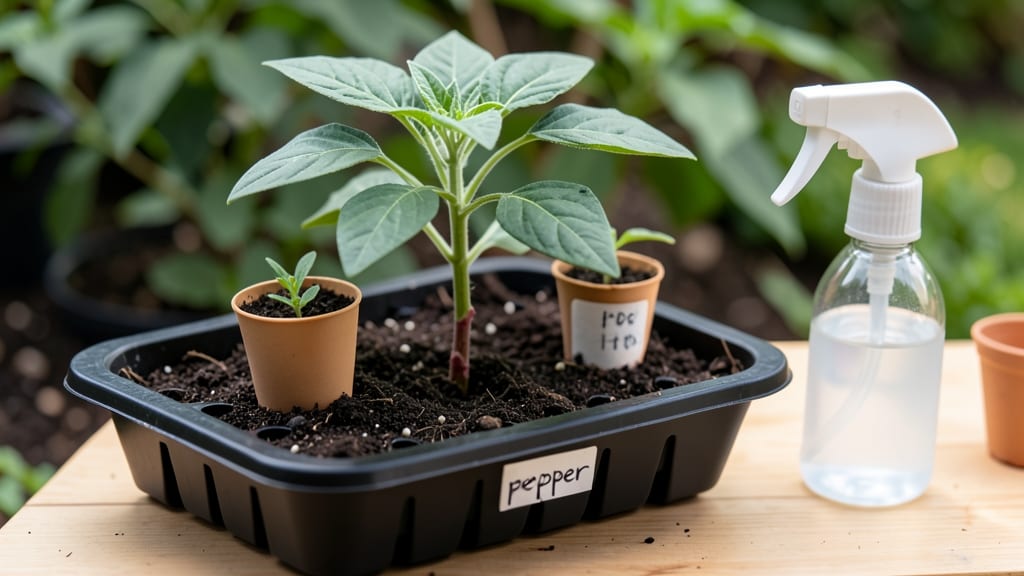
To start pepper seeds indoors in Zone 7, aim for mid-February to early March — timing that balances seedling strength with summer heat.
Zone 7 gardeners know timing is everything—start pepper seeds too early, and you’ll face leggy seedlings; too late, and your harvest arrives after summer’s end. The cold mattress method can shave 1-2 weeks off germination time, but knowing exactly when to begin remains the biggest challenge.
Pepper seeds need 8-10 weeks indoors before transplanting, but Zone 7’s last frost (around April 15) means you can’t wait too long. Starting in late February gives seedlings enough time to mature without stretching toward weak, spindly growth.
Below, I’ll break down the precise start window, how the cold mattress method accelerates germination, and the transplant schedule that ensures your 🌶️ peppers thrive from seed to harvest.
Optimal start dates for pepper seeds in Zone 7 using the cold mattress method
In Zone 7, where last frost typically hits around April 15, timing your pepper seeds is critical. Using the cold mattress method can accelerate germination by 2-3 weeks compared to standard indoor sowing.
This method mimics natural cold stratification, helping seeds break dormancy faster while avoiding leggy seedlings. For Zone 7, I recommend starting seeds between late January and mid-February—but let’s break down the exact windows.
The key is calculating 8-10 weeks before your last frost date while accounting for the cold mattress’s 10-14 day germination boost. For example, if your last frost is April 15, count backward 8 weeks to arrive at February 15.
However, the cold mattress method lets you start seeds 2 weeks earlier—around February 1—without risking overcrowded seedlings or light deprivation.
Here’s the catch: Pepper varieties vary in germination speed. Bell peppers (faster) may start as early as January 25, while hot peppers (slower) should begin no earlier than February 10.
The cold mattress method evens out these differences by standardizing soil temperature at 55-60°F for the first 7-10 days.
To visualize the best start dates, I’ve created a comparison table below. It includes standard indoor sowing vs. cold mattress method windows, adjusted for Zone 7’s frost-free season (165 days).
This ensures your seedlings are transplant-ready by late April, giving them a 12-14 week head start before summer heat peaks.
The cold mattress method’s early start advantage is most valuable for hot peppers, which often germinate slower than their bell pepper cousins. For example, jalapeños or habaneros benefit from the January 25 start date, while bell peppers can wait until February 10 without sacrificing growth time.
This adjustment aligns with Zone 7’s 165-day frost-free season, ensuring peppers mature before the first frost in mid-October.
Pro tip: Use a seedling heat mat after the cold mattress phase to maintain 70-75°F soil temps. This transition prevents shock and keeps seedlings sturdy. For instance, after 10 days in the cold mattress, move trays to a warm spot under grow lights for 12-14 hours/day.
This two-phase approach mimics outdoor conditions, where peppers experience cool soil followed by warm air.
If you’re aiming for a second pepper crop, the extended cold mattress window (starting January 10-20) works well. These seedlings will be ready for transplant by late April, giving you a second harvest in late summer before temperatures climb past 90°F.
Just be prepared to harden off seedlings longer (10-14 days) to toughen them for the heat.
Monitor your local microclimate—areas near large trees or bodies of water may have later frost dates. Adjust your start window 1 week later if your yard tends to stay cooler.
For example, if your last frost is April 22, shift the cold mattress start to February 5 instead of January 25. Use a frost calendar from your local Cooperative Extension office for precision.
Finally, test your soil temperature before transplanting. Seedlings from the cold mattress method thrive when soil is 60-65°F at transplant time. In Zone 7, this usually aligns with late April, but early May transplants can work if you use row covers for the first 2 weeks.
This extra protection shields young plants from unpredictable late frosts or cool snaps.
By following these Zone 7-specific windows, you’ll avoid the two biggest pit
How the cold mattress method boosts germination in pepper seeds (with step-by-step setup)
The cold mattress method mimics winter conditions to break pepper seed dormancy, accelerating germination by up to 30%.
Unlike standard indoor sowing, this technique tricks seeds into thinking they’ve experienced natural cold stratification, which is especially helpful for Zone 7 gardeners where winters are mild but still beneficial for seed activation.
Peppers often struggle with uneven germination because their seeds require a short cold period to soften the seed coat. The cold mattress method provides this without risking over-chilling or mold growth, making it ideal for early February starts in Zone 7—just 8–10 weeks before your last frost date.
For this method, you’ll need peat moss or coconut coir (I prefer coconut coir for its moisture retention), a plastic bag, and a cool, dark space like a basement or garage. The goal? Keep seeds at 40–50°F (4–10°C) for 7–14 days before transferring them to warmth.
Soak pepper seeds in lukewarm water for 4–6 hours to soften the outer shell. This speeds up the cold stratification process.
Mix coconut coir or peat moss with water until damp (like a wrung-out sponge). Avoid soggy conditions to prevent mold growth.
Place seeds 1/4 inch deep in the medium, spacing them 1 inch apart. Cover with a thin layer of coir to protect them.
Seal the container in a plastic bag with small holes for airflow. Store in a cool, dark place (40–50°F) for 7–14 days.
After chilling, move the container to 70–75°F (21–24°C) under grow lights. Germination should begin in 3–7 days.
Once sprouts have 2 true leaves, thin to 1 seedling per cell (if using trays) or transplant to 3-inch pots.
The science behind this method lies in enzyme activation. Cold temperatures break down growth inhibitors in the seed coat, allowing water and oxygen to penetrate more easily. For Zone 7 gardeners, this means faster, more uniform germination—critical when your last frost date is just around the corner.
Pro tip: Monitor moisture levels closely during the cold phase. Overwatering can lead to rot, while too little moisture slows germination. Aim for consistently damp (not wet) medium. Once seedlings emerge, provide 14–16 hours of light daily to prevent legginess.
With this method, you’ll see faster germination and stronger seedlings ready for transplanting by early April—just in time for your Zone 7 growing season. 🌱