
Planting
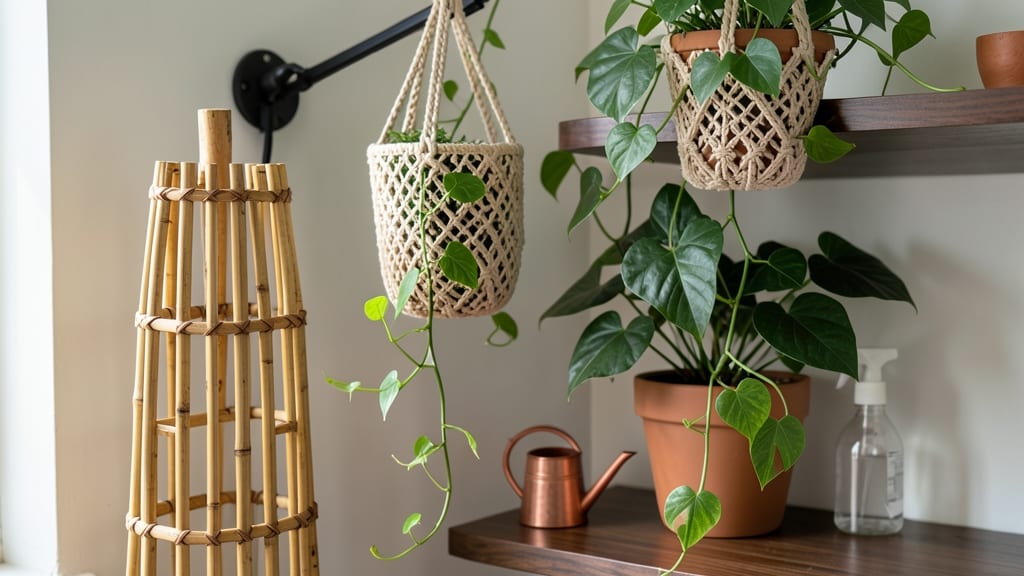
Growing a passion fruit plant indoors means tropical harvests even in apartments. 🌿 I've watched my vines climb trellises in my living room, producing sweet, golden fruits that taste nothing like store-bought. The key is mimicking their jungle home—bright light, warm temperatures, and just the right humidity.
You'll need a 10-15 gallon container with drainage, a sturdy trellis or cage, and well-draining potting mix. Place it near a south-facing window or under grow lights for 6-8 hours daily. Passion vines thrive in 70-80°F temps and need consistent moisture—never soggy soil.
By summer, you'll see those signature purple flowers followed by passion fruits in 6-8 months. The vines grow fast, so prune regularly to control size and encourage fruiting. With proper care, you'll harvest dozens of fruits each season.
Common mistakes? Overwatering (root rot is real) and poor pollination (hand-pollinate with a paintbrush). But once you get it right, you'll never buy passion fruit again—your kitchen will smell like a tropical paradise.
📚 In This Guide
- What you need
- Instructions
- Tips and common mistakes
- Wrapping up and next steps
What you need
- ● Passion fruit plant (Passiflora edulis or Passiflora ligularis): 1 healthy young plant (3–6 months old) from a nursery or online store.
- ● Ensure it’s disease-free and has at least 3–4 vines.
- ● Container: 1 large pot (12–18 inches in diameter) with drainage holes.
- ○ Self-watering pots are optional but helpful for consistency.
- ● Potting mix: 1 bag of well-draining, airy mix (e.g., 60% cactus/succulent soil + 40% perlite or orchid bark).
- ● Avoid heavy garden soil—it causes root rot! 🚫💦
- ● Fertilizer: Balanced liquid fertilizer (10-10-10 or 20-20-20) for initial growth.
- ● High-phosphorus fertilizer (e.g., 5-10-10) once flowering begins.
- ● Support structure: 1 trellis, cage, or stakes (4–6 feet tall) for vines to climb.
- ● Twine or soft plant ties to secure vines gently.
- ● Pruning tools: 1 pair of clean, sharp pruning shears or scissors.
- ● Grow lights (LED or fluorescent) for 12–14 hours of light/day if natural light is limited.
- ● Humidity tray or pebble tray to boost moisture levels (especially in dry climates).
- ● Mulch (e.g., coconut coir) to retain soil moisture.
- ● Pollination tool (small paintbrush) if hand-pollinating flowers for fruit set.
Instructions for growing passion fruit indoors
Here's how I transform small spaces into tropical harvest zones—passion fruit vines thrive indoors with the right approach.
🌱 Step 1: Select and Prepare Your Vine
Start with a healthy passion fruit vine cutting (3-4 inches long) that has at least two nodes where leaves emerge. I always choose vigorous, disease-free cuttings from a mature plant. Remove the lower leaves, leaving just one or two at the top—this focuses energy on root development rather than foliage.
Dip the cut end in rooting hormone to encourage faster root growth. Place the cutting in a small container filled with sterile potting mix (I use a blend of perlite and coconut coir for excellent drainage). Push the cutting 1 inch deep into the soil, firming gently around it to eliminate air pockets. Water lightly until moisture reaches the bottom of the container.
💧 Step 2: Create Ideal Germination Conditions
Passion fruit vines need warmth and humidity to root successfully. I place the container in a clear plastic bag (like a produce bag) to create a greenhouse effect, securing it loosely with a rubber band. Keep the soil consistently moist—not soggy—by misting daily and checking that the top inch feels damp to the touch.
Position the cutting in a spot with bright, indirect light (a south-facing window works best). Maintain a temperature between 70-80°F—any cooler, and rooting slows dramatically. After 4-6 weeks, you'll see new growth at the top, signaling successful root establishment. This is the moment that matters: patience here prevents future transplant shock.
☀️ Step 3: Transition to Full Indoor Growth
Once roots form and new leaves appear, remove the plastic bag and gradually introduce the vine to direct sunlight. I start with 2-3 hours daily and increase by an hour each week. Passion fruit vines crave 6+ hours of sunlight, so supplement with a grow light if natural light falls short—keep it 6-12 inches away to avoid leaf burn.
Feed the vine with a balanced liquid fertilizer (10-10-10) diluted to half-strength every 2 weeks during active growth. You'll notice faster leaf production and thicker stems within a month. Prune leggy growth back to a node to encourage bushier, more productive vines. Real talk: Overwatering here is the #1 killer—let the top 2 inches of soil dry between waterings.
🪴 Step 4: Support and Train the Vine
Passion fruit vines grow 10-20 feet long indoors, so a strong trellis or sturdy pole is essential. I use a 5-foot bamboo trellis placed in the pot for stability. Train the main stem along the trellis, securing it with soft plant ties every 6-12 inches. This prevents breakage and encourages upward growth.
Rotate the pot quarter-turn weekly so the vine grows evenly toward the light. When lateral branches form, prune them back to 3-4 leaves to stimulate flowering. Passion fruit vines bloom best with good air circulation—space plants 12 inches apart if growing multiple vines in one area. You'll see the first flowers appear after 6-8 months, signaling your first harvest is on the way.
⏰ Step 5: Pollinate and Harvest
Indoor passion fruit flowers require hand pollination—use a small paintbrush to transfer pollen from the male to female parts of the flower (the female has a swollen base). Do this morning and evening for 3-4 days to ensure fruit set. Once fruit forms, it typically takes 90-120 days to ripen.
Harvest when the fruit turns deep purple/black and feels slightly soft when gently squeezed. Cut stems with scissors, leaving a ½-inch stem attached. Store at room temperature until fully ripe—this is when the flavor peaks. I know it's ready when the fruit gives slightly under gentle pressure and emits a sweet, tropical aroma. Here's the thing—passion fruit vines produce best with consistent care, so don’t skip the fertilizer or light adjustments.
Tips & tricks for growing passion fruit indoors
Took me years to master these tropical growing secrets—here's how to avoid the common pitfalls that trip up beginners.
Cutting Selection: Look for passion fruit vine cuttings with thick, green stems and at least two nodes. The thicker the stem, the more established the cutting—and that means faster rooting. I've found that cuttings from the current season's growth root in just 4-6 weeks (as mentioned in Step 2), while older wood can take twice as long. Avoid any cuttings with yellowing leaves or mushy stems, as these indicate disease or poor health.
Rooting Hormone Hack: While rooting hormone isn't strictly required, it cuts the rooting time nearly in half. I've had success using both powder and gel forms—just dip the cut end thoroughly before planting. For best results, use a hormone labeled for tropical plants. If you're without rooting hormone, you can substitute with cinnamon powder (which has natural antifungal properties) or even honey (which provides a mild sugar boost to encourage microbial activity).
Light Transition Strategy: The gradual light increase in Step 3 is crucial—don't rush it! I recommend starting with just 2-3 hours of direct sunlight and increasing by 1 hour per week. Sudden exposure to full sun can cause leaf scorch, which looks like crispy, brown edges. If your vine shows signs of stress (yellowing leaves or wilting), immediately move it back to indirect light and slow down the transition. A grow light on a timer can be a game-changer for winter months when natural light is scarce.
Pollination Timing: The morning and evening pollination schedule in Step 5 makes all the difference. Passion fruit flowers open in the morning and close by afternoon, so timing matters. Use a small paintbrush to gently transfer pollen—don't press too hard, as you want to avoid damaging the delicate flower parts. I've found that consistent pollination for 3-4 days significantly increases fruit set. If you're not seeing fruit after several weeks, try pollinating again or check if your flowers are actually fertile (some may be male-only flowers).
Pro Tips for Passion Fruit Plant Indoors
- Took me years to master these tropical growing secrets—here's how to avoid the common pitfalls that trip up beginners.
- Cutting Selection: Look for passion fruit vine cuttings with thick, green stems and at least two nodes.
- Rooting Hormone Hack: While rooting hormone isn't strictly required, it cuts the rooting time nearly in half.
Frequently asked questions
Got questions about growing passion fruit indoors?
You’re not alone! Here are some of the most common concerns—and their solutions—to help you cultivate this tropical gem with confidence.
Can passion fruit plants actually thrive indoors year-round?
With the right care—bright, indirect light (like a south-facing window or grow lights), high humidity, and consistent warmth (70–85°F)—passion fruit plants can thrive indoors. Just ensure they get at least 6–8 hours of light daily to prevent leggy growth or poor fruiting.
How long does it take for an indoor passion fruit plant to bear fruit?
Patience is key! Indoor passion fruit plants typically take 1–3 years to produce fruit, depending on the variety and growing conditions. Dwarf or self-pollinating varieties (like ‘Panama Red’) may fruit faster. Pro tip: Hand-pollinate flowers with a small brush to boost fruit set!
What’s the best alternative if my space lacks natural sunlight?
If sunlight is scarce, grow lights are your best friend! LED or fluorescent lights (12–16 hours/day) can mimic sunlight. Place them 6–12 inches above the plant and adjust as it grows. For extra efficiency, rotate the plant weekly for even growth.
Why are my passion fruit leaves turning yellow or dropping?
Yellowing leaves usually signal overwatering, underwatering, or nutrient deficiencies. Check the soil—it should stay slightly moist but not soggy. Yellow edges? Likely low humidity. Brown spots? Too much sun. Adjust care and fertilize (balanced 10-10-10) every 4–6 weeks for a happy plant!
Can I grow passion fruit from seed indoors, or should I buy a young plant?
Both work! Starting from seed is fun and rewarding but slower (6–12 months to maturity). For faster results, buy a 1–2 year-old dwarf grafted plant from a nursery. Just ensure it’s disease-free and acclimated to indoor conditions before bringing it home.
Still stumped? Drop your question in the comments—we’re happy to help you troubleshoot your tropical oasis!
Wrapping up and next steps
Growing a passion fruit plant indoors is a rewarding journey that brings tropical vibes to your home—even in small spaces! With the right light, support, and care, you can enjoy sweet, homegrown fruit year-round.
Whether you’re a beginner or a plant enthusiast, this guide gives you everything you need to nurture your passion vine into a thriving indoor harvest.
Ready to take the next step? Start small: Pick a healthy cutting or seedling, set up your growing station, and watch your plant flourish. Before you know it, you’ll be savoring the juicy rewards of your indoor oasis! 🌱🍈