
Planting
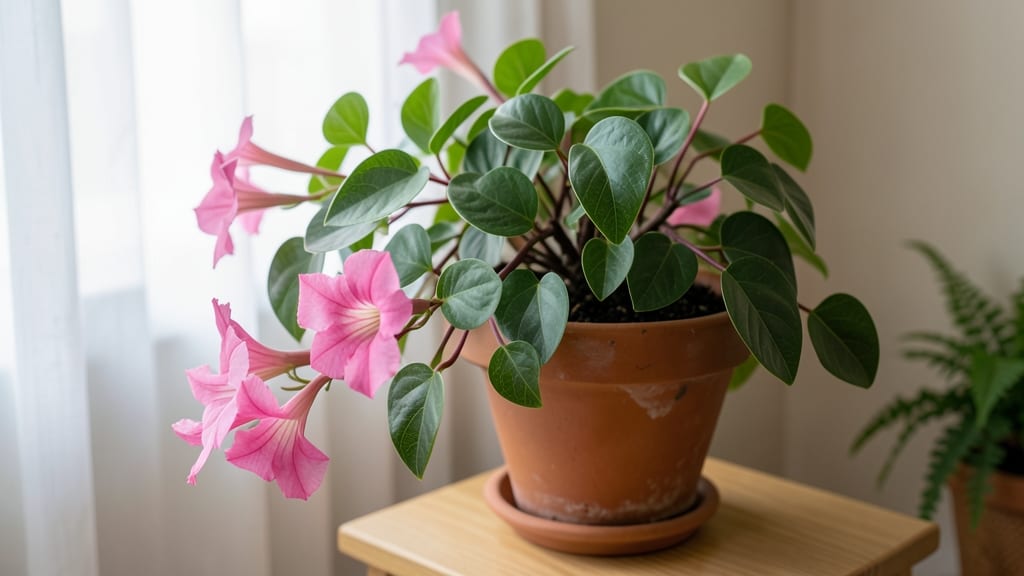
Growing Mandevilla indoors lets you enjoy its velvety trumpet-shaped blooms year-round without the fuss of outdoor seasons. 🌸 I’ve turned my living room into a mini tropical paradise with these plants, and the secret is simple: they’re forgiving if you nail just three things—light, warmth, and a little patience.
The trick is mimicking their natural habitat: bright, indirect light near a south- or west-facing window (or under grow lights for 6+ hours daily). Too little light makes them stretch leggy, while direct sun scorches the leaves.
My plants thrive in a well-draining potting mix—add perlite or orchid bark to keep roots happy—and I water only when the top inch feels dry. Overwatering is their downfall, so I’d rather see them thirsty than soggy.
By summer, you’ll be rewarded with clusters of blooms that smell like sweet jasmine at dusk. The key to keeping them flowering is a balanced fertilizer (half-strength monthly) and occasional pruning to shape leggy stems. Even indoor temperature swings won’t stop them—just keep them above 55°F, and they’ll bounce back.
Works for apartments, offices, or sunrooms—just avoid drafty spots. Here’s how to keep yours lush and blooming all year.
📚 In This Guide
- What you need
- Instructions
- Tips and common mistakes
- Wrapping up and next steps
What you need
- ● Mandevilla plant: Choose a healthy, potted Mandevilla (preferably a variety like Mandevilla sanderi or Mandevilla boliviana for indoor growing). Size: 4–6 inches in pot diameter (young plants adapt best!).
- ● Well-draining potting mix: 1 bag (5–10 quarts) of a cactus/succulent blend or a mix of 50% peat moss, 30% perlite, and 20% orchid bark.
- ● Pot with drainage holes: 1 container (12–16 inches in diameter) with drainage holes. Material: Terracotta (breathable) or plastic (lightweight).
- ○ Grow lights (optional but recommended): 1–2 full-spectrum LED grow lights (1000–2000 lumens) for 6–8 hours/day if natural light is <10 hours/day.
- ● Adjustable light stand (if using artificial lighting).
- ● Watering can or spray bottle: With a narrow spout to avoid overwatering.
- ● Fertilizer: 1 bottle of balanced liquid fertilizer (e.g., 20-20-20 or 10-10-10) or slow-release granules.
- ● Pruning shears: Sharp, sterilized shears for trimming leggy stems or dead leaves.
- ● Humidity tray: A shallow tray with pebbles and water to boost humidity (especially in dry climates).
- ● Support stake or trellis: A bamboo stake or moss pole (4–6 feet tall) to train vining varieties.
- ● pH test kit: To check soil pH (ideal range: 5.5–6.5).
- ● Mulch: Orchid bark or coconut coir to retain moisture and mimic tropical conditions.
Step-by-Step instructions for growing Mandevilla indoors
Here's how to bring those tropical blooms inside with minimal fuss—just follow these simple steps.
🪴 Step 1: Choose the Right Container and Soil Mix
Mandevillas need room to grow, so pick a 5-7 gallon pot with drainage holes—these plants hate soggy roots. I use a mix of 60% potting soil, 20% perlite, and 20% orchid bark for perfect drainage and airflow. The bark helps mimic their natural, airy habitat.
Fill the pot halfway with your mix, then place the plant in and top off with more soil, leaving about 1 inch of space between the soil and rim. This prevents overflow when watering. Tap the pot gently to settle the soil around the roots without compacting it.
☀️ Step 2: Position for Bright, Indirect Light
Mandevillas crave light but burn easily in direct sun. Place your plant near a south- or west-facing window where it gets 4-6 hours of bright, indirect light daily. You'll know it's happy when leaves stay deep green and glossy—not pale or crispy.
If your space is dim, supplement with a grow light kept 12-18 inches away. Watch for leggy growth (long, thin stems with sparse leaves)—that’s a sign it’s stretching for more light. Rotate the pot a quarter turn weekly so it grows evenly.
💧 Step 3: Water Deeply but Sparingly
Let the top 2 inches of soil dry out between waterings—stick your finger in to check. When it feels dry, water until liquid runs out the drainage holes. Empty the saucer afterward to avoid root rot, which can kill a mandevilla fast.
Overwatering is the #1 killer, so I water mine once a week in winter and every 2-3 days in summer. Yellow leaves? You’re likely overwatering. Brown, crispy edges? It’s thirsty but needs more shade.
✂️ Step 4: Prune and Fertilize for Continuous Blooms
After flowering, trim back leggy stems by a third to encourage bushier growth. Use clean, sharp scissors to cut just above a leaf node. This also prevents the plant from getting top-heavy and flopping over.
Feed with a balanced liquid fertilizer (10-10-10) every 4-6 weeks in spring and summer. Cut back to every 8-12 weeks in fall/winter. I always fertilize after watering so the roots absorb nutrients right away.
🌱 Step 5: Overwinter for Next Year’s Blooms
When temperatures drop below 50°F, move your mandevilla indoors near a bright window. Reduce watering to every 10-14 days and stop fertilizing until spring. Prune again in late winter to shape it for the new growing season.
Here’s the thing—if you keep it alive through winter, it’ll reward you with even bigger blooms next year. Just avoid drafts and sudden temperature swings, which stress the plant and drop buds.
Tips & tricks for perfect indoor Mandevilla care
These little details make all the difference between a struggling plant and one that bursts with vibrant blooms all year.
Soil Mix Secret: The 60-20-20 soil blend in Step 1 is perfect, but here's the thing—if you can't find orchid bark, substitute with coconut coir or even coarse sand. The key is that 20% "airy" component (perlite or bark) prevents compaction and mimics the plant's natural epiphytic habitat. I've seen mandevillas thrive with just potting soil and perlite when bark wasn't available.
Light Positioning Hack: That 4-6 hours of bright indirect light in Step 2 can be tricky with small windows. Try placing your plant on a south-facing bookshelf or countertop—just keep it 2-3 feet from the glass. For extra brightness, angle a reflective surface (white poster board or aluminum foil) behind the plant to bounce more light onto the leaves. This works wonders in dimmer spaces.
Watering Timing Tip: The 2-inch dry soil rule in Step 3 is spot-on, but here's what nobody tells you—morning watering prevents fungal issues. Water in the morning so any excess drains away before evening, keeping roots healthier. And if you're using tap water, let it sit out overnight first to reduce chlorine damage to delicate roots.
Fertilizer Strategy: That 4-6 week spring/summer schedule in Step 4 works, but I've found mandevillas respond even better to a weekly weak feed (half-strength fertilizer) during peak growing months. The secret is consistency—better to feed lightly every week than heavily once a month. Just remember to flush the soil with plain water every 6 weeks to prevent salt buildup.
Pro Tips for Mandevilla Plant Indoors
- These little details make all the difference between a struggling plant and one that bursts with vibrant blooms all year.
- Soil Mix Secret: The 60-20-20 soil blend in Step 1 is perfect, but here's the thing—if you can't find orchid bark, substitute with coconut coir or even coarse sand.
- Light Positioning Hack: That 4-6 hours of bright indirect light in Step 2 can be tricky with small windows.
Frequently asked questions
Got questions about growing Mandevilla indoors?
You’re not alone! Here are answers to the most common concerns to help you keep your sun-loving beauty thriving—even without a backyard.
Can Mandevilla grow indoors without sunlight?
Not ideally! Mandevilla plants crave bright, indirect light (6+ hours/day). If your space is dim, supplement with a grow light (12–14 hours/day) to prevent leggy growth. South- or west-facing windows are best—just avoid harsh afternoon sun that can scorch leaves.
How often should I water my indoor Mandevilla?
Water when the top 1–2 inches of soil feel dry (usually every 5–7 days). Overwatering is the #1 killer—ensure pots have drainage holes and use well-draining soil. Pro tip: Let excess water drain completely to avoid root rot.
Why isn’t my Mandevilla blooming indoors?
Blooms need 3 key things: bright light, proper fertilizer (balanced 20-20-20 in spring/summer), and a slight temperature drop (50–60°F at night). Prune leggy stems to encourage bushier growth, and avoid overcrowding—root-bound plants bloom less!
What pests should I watch for on indoor Mandevilla?
Keep an eye out for spider mites, aphids, or mealybugs (common in dry indoor air). Wipe leaves with neem oil or insecticidal soap if you spot sticky residue or tiny webs. Increase humidity (pebble trays help!) to deter pests naturally.
Can I grow Mandevilla from cuttings indoors?
Take 4–6 inch cuttings in spring/summer, dip in rooting hormone, and plant in moist perlite or sand. Keep humid (use a plastic bag) and place in bright, indirect light. Roots should form in 2–4 weeks—then transplant to soil!
Wrapping up and next steps
Growing Mandevilla indoors is a rewarding journey that brings vibrant blooms and lush greenery into your space—without the fuss! 🌸 With the right light, well-draining soil, and a little patience, you’ll enjoy a thriving plant that thrives year-round.
Remember, consistency in care (like watering and pruning) is key to keeping those sun-kissed flowers happy.
Ready to dive in? Start small—pick a healthy cutting or young plant, gather your supplies, and give it a try! Whether you’re a beginner or a seasoned plant parent, your indoor Mandevilla will thank you with stunning, carefree beauty. Happy planting! 🌿