
Light Requirements
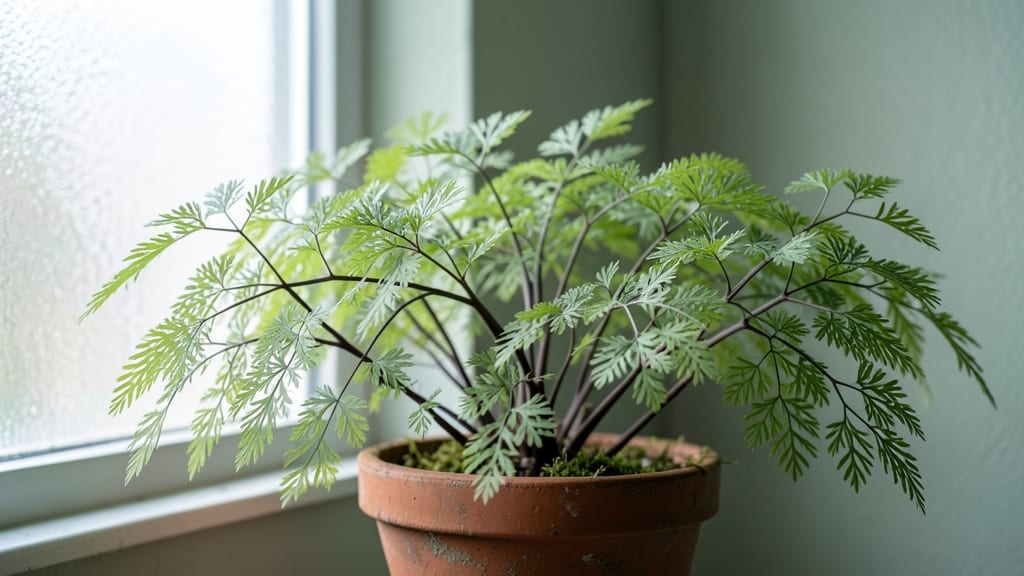
Growing a maidenhair fern indoors transforms any dim corner into a velvety green sanctuary. 🌿 I’ve turned mine from a sad, drooping plant into a thriving centerpiece by mastering its three biggest needs: gentle light, steady moisture, and high humidity. The secret isn’t complicated—it’s about mimicking its natural understory habitat.
Start with a terracotta pot (they breathe better) and a well-draining mix of peat, perlite, and orchid bark. Place your fern where it gets bright, indirect light—think east-facing windows or a few feet from a south window.
Overwatering is the silent killer, so let the top inch of soil dry out between waterings, and always use room-temperature water. Within weeks, you’ll see those delicate fronds unfurling like lace curtains, their feathery texture begging to be touched. The key to keeping them lush?
A pebble tray under the pot and occasional misting—your fern will thank you with year-round growth instead of crispy brown edges. Works for beginners, small spaces, and even offices with artificial light. Here’s how to keep it happy all year.
📚 In This Guide
- What you need
- Instructions
- Tips and common mistakes
- Wrapping up and next steps
What you need
- ● Maidenhair Fern Plant: 1 healthy specimen (preferably Adiantum species like Adiantum venustum or Adiantum raddianum)
- ● Pot: 1 medium-sized pot (4–6 inches in diameter) with drainage holes (terracotta or ceramic works best)
- ● Well-draining potting mix: 1 bag of peat-based or orchid mix (or blend with perlite/pumice for aeration)
- ● Distilled or rainwater: For watering (avoids mineral buildup)
- ○ Humidity tray or pebble tray: 1 (optional but helpful for maintaining moisture)
- ● Misting bottle: 1 (for daily light spritzes)
- ○ Fertilizer (optional): 1 bottle of balanced liquid fertilizer (10-10-10 or 20-20-20), diluted to half-strength
- ● Pruning shears: 1 pair (for trimming dead fronds)
- ● Supportive stand or moss pole: 1 (if your fern needs extra structure)
- ● Grow lights: LED or fluorescent (if natural light is very limited)
- ● Humidifier: For consistent humidity (ideal: 50–70%)
- ● Decorative pot cover: To shield from direct drafts
- ● Plant food (organic): Worm castings or fish emulsion (1–2 times per growing season)
Step-by-Step guide to cultivating a thriving indoor maidenhair fern
This delicate beauty thrives with minimal fuss once you master its care essentials.
🪴 Step 1: Select the Perfect Container and Soil Mix
Choose a 6-8 inch diameter pot with drainage holes—maidenhair ferns despise soggy roots. I prefer terracotta because it breathes and prevents overwatering. Fill the bottom with 1-2 inches of perlite or orchid bark for aeration, then add a high-moisture, well-draining mix (equal parts peat moss, perlite, and orchid bark). This lightweight blend mimics the fern's natural epiphytic habitat.
Gently press the mix into the pot to eliminate air pockets but avoid compacting it. The goal is a fluffy texture that holds moisture without suffocating roots. Tap the container lightly on the table to settle everything evenly. Maidenhair ferns have shallow root systems, so a wide, shallow pot works better than a deep one.
🌱 Step 2: Plant Your Fern with Care
Remove the fern from its nursery pot and loosen the root ball if it appears tightly bound. Place it in the center of your prepared container, spreading the roots gently across the soil surface. Maidenhair ferns prefer to be slightly buried—cover the roots with ½ inch of soil, leaving the crown exposed. This prevents rot while encouraging new growth.
Don't press down firmly on the soil. Instead, use your fingers to lightly tuck the roots into place. The first true leaves should emerge from the crown area, so keep it visible. Water immediately after planting to help settle the soil around the roots, but avoid oversaturating the mix.
💧 Step 3: Master the Watering Routine
Maidenhair ferns demand consistent moisture but hate soggy conditions. Water when the top inch of soil feels dry to the touch, typically every 2-3 days depending on humidity. I use the "soak-and-drain" method: water thoroughly until it runs freely from the drainage holes, then empty the saucer to prevent root rot.
Mist the fronds daily with room-temperature water to replicate humidity levels of their native rainforest habitat. You'll know you're doing it right when the soil stays evenly moist but not waterlogged, and the fronds remain lush and vibrant. Avoid letting the soil dry out completely—wilting fronds rarely recover.
☀️ Step 4: Position for Ideal Light Conditions
Place your maidenhair fern in bright, indirect light—think filtered sunlight from an east-facing window. Direct sun will scorch the delicate fronds, while too little light causes leggy growth. If your space only offers low light, supplement with a grow light positioned 12-18 inches away for 12-14 hours daily.
Rotate the pot a quarter turn weekly to ensure even growth. You'll notice fronds leaning toward the light? That's your cue to move it closer or adjust the grow light's position. The ideal spot produces fronds that grow upright with a v-shaped arch—a hallmark of healthy maidenhair ferns.
🌿 Step 5: Maintain Humidity and Fertilize Gently
Set the pot on a tray filled with pebbles and water to create a self-misting humidifier. The water should never touch the pot bottom—just create a microclimate of high humidity. Grouping plants together also raises ambient humidity, which maidenhair ferns adore. Aim for 50-70% humidity—a hygrometer helps monitor levels accurately.
Feed your fern monthly during spring and summer with a diluted liquid fertilizer (half-strength balanced 20-20-20). Skip fertilizing in fall and winter when growth slows. Overfeeding causes salt buildup in the soil, which damages roots. Always water thoroughly before fertilizing to prevent root burn.
Tips & tricks for perfect indoor maidenhair fern care
These subtle adjustments make all the difference between a struggling fern and one that thrives year-round.
Pot Selection Wisdom: Terracotta isn't just my preference—it's the gold standard for maidenhair ferns because it wicks moisture away from roots while maintaining breathability. If you must use plastic, choose one with generous drainage holes and elevate it on a saucer with pebbles to prevent water pooling. The key is replicating their epiphytic nature where roots can breathe. For larger specimens, consider a hanging basket with built-in drainage.
The Soil Texture Secret: That equal-parts peat moss, perlite, and orchid bark mix isn't arbitrary—it creates the perfect balance of moisture retention and aeration. When mixing, sift the components together to eliminate clumps that could suffocate roots. Pro tip: Add a handful of activated charcoal to prevent bacterial growth, especially if your home has dry air. The soil should crumble easily when dry but still hold moisture when damp.
Watering Technique Refinement: The daily misting routine is non-negotiable, but here's what I've learned: Use a spray bottle with a fine mist setting and hold it 6-8 inches away from the fronds to avoid water droplets that can cause brown spots. For the soak-and-drain method in Step 3, let the water run for about 30 seconds after it starts draining from the bottom—this ensures complete saturation without waterlogging. The soil should feel like a damp sponge after watering.
Light Positioning Mastery: That 12-14 hour grow light guideline assumes you're using a standard LED grow bulb. If your light has a lower output, increase the distance to 20 inches or extend the duration to 16 hours. For natural light, east-facing windows provide ideal morning light without the harsh afternoon sun. Watch for fronds that develop a reddish tint—this is your plant's way of saying "I need more light." Rotate weekly isn't just about even growth; it helps prevent the plant from developing a "light side" where growth becomes uneven.
Pro Tips for Maidenhair Fern Indoor
- These subtle adjustments make all the difference between a struggling fern and one that thrives year-round.
- Pot Selection Wisdom: Terracotta isn't just my preference—it's the gold standard for maidenhair ferns because it wicks moisture away from roots while maintaining breathability.
- The Soil Texture Secret: That equal-parts peat moss, perlite, and orchid bark mix isn't arbitrary—it creates the perfect balance of moisture retention and aeration.
Frequently asked questions
about growing maidenhair fern indoor—here’s what you need to know before diving in!How much light does a maidenhair fern need indoors?
A maidenhair fern thrives in bright, indirect light—think east-facing windows or a few feet from a south-facing one. Avoid harsh direct sun (it can scorch delicate fronds) or deep shade (growth will slow). If light is dim, supplement with a grow light 12–14 hours daily.
Can I grow a maidenhair fern in low-light conditions?
Yes, but expect slower growth and smaller, sparser fronds. Place it near a north-facing window or under fluorescent lighting. If leaves turn yellow or brown, it’s a cry for more light. Rotate the pot monthly for even exposure!
How often should I water my indoor maidenhair fern?
Keep the soil consistently moist but not soggy—water when the top inch feels dry. Maidenhair ferns hate drought, so mist leaves 2–3 times weekly (especially in dry climates). Use room-temperature water to avoid shocking roots. A pebble tray with water can boost humidity!
Why are my maidenhair fern’s fronds turning brown?
Brown tips or edges usually mean low humidity, overwatering, or fluoride in tap water. Try these fixes:
- Move to a humid spot (bathroom or kitchen).
- Water with filtered or distilled water.
- Avoid cold drafts (like AC vents).
- Trim dead fronds with clean scissors.
What’s the best alternative if I can’t keep a maidenhair fern alive?
If you love lush, low-light greenery, try these resilient picks:
- Cast iron plant – Nearly indestructible, thrives in neglect.
- ZZ plant – Drought-tolerant and architectural.
- Snake plant – Handles low light and infrequent watering.
- Pothos – Fast-growing and forgiving.
Each offers elegance without the fuss!
Wrapping up and next steps
Bringing a maidenhair fern into your indoor space is a fantastic way to add lush, air-purifying beauty—even in low-light corners! 🌿 With the right care, this delicate fern thrives effortlessly, rewarding you with feathery fronds that feel like a breath of fresh air.
Whether you’re a plant parent in the making or a seasoned green thumb, this elegant fern is your perfect companion.
Ready to elevate your space? Start by choosing your spot, gathering supplies, and following the care tips above. Then, watch your maidenhair fern transform your home into a serene, thriving oasis—one leaf at a time! 🌱