
Orchid Care
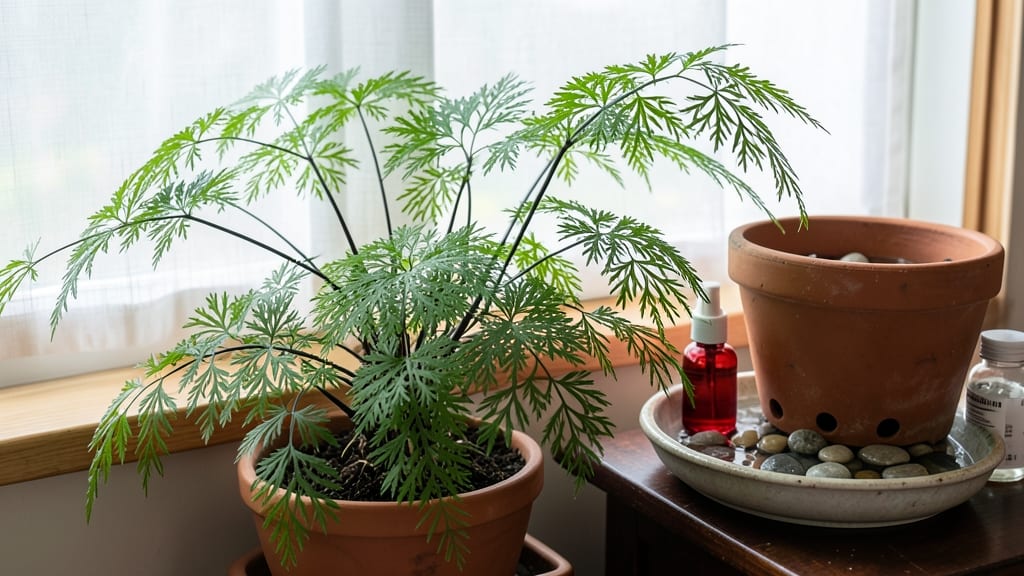
Indoor maidenhair fern care boils down to two things: bright indirect light and consistent humidity—the secret combo that turns wispy fronds into your home's lushest centerpiece. 🌿 I’ve revived more drooping maidenhair ferns than I’ll admit, and the fix always comes back to these two factors.
The moment you nail them, you’ll see new fronds unfurling within weeks, their delicate lace-like leaves shimmering like fresh spring rain.
These ferns thrive in low to medium indirect light—think east-facing windows or a few feet from a south window. Direct sun burns their leaves, while dim corners make them leggy and sparse.
Pair that with 60-80% humidity (a pebble tray or humidifier works wonders), and you’ve recreated their natural tropical habitat. Most people overwater, but maidenhair ferns prefer slightly moist soil—stick your finger in first; if the top inch feels dry, it’s time to water gently at the base.
You’ll know you’re doing it right when your fern becomes a year-round statement piece, its fronds staying vibrant even in winter. Prune yellow or brown fronds at the base to encourage fresh growth, and avoid fertilizing in winter when the plant rests.
The payoff? A fern that looks like it belongs in a botanical garden, not just your living room.
Works in any indoor space—even apartments—with the right setup. Here’s how to make it happen without guesswork.
📚 In This Guide
- What you need
- Instructions
- Tips and common mistakes
- Wrapping up and next steps
What you need
- ● Maidenhair Fern Plant: 1 mature or juvenile plant (check for lush fronds and no brown tips).
- ● Pot: 1 ceramic or plastic pot (6–8 inches in diameter) with drainage holes. Pro tip: Terracotta helps prevent root rot!
- ● Well-draining potting mix: 1 bag (2–3 quarts) of peat-based or orchid mix (or a blend of 50% peat moss + 50% perlite/pumice).
- ● Drainage tray or saucer: 1 (to catch excess water and protect surfaces).
- ● Watering can or spray bottle: 1 (with a fine mist nozzle for humidity control).
- ○ Humidity tray or pebble tray: 1 (optional but highly recommended for dry climates).
- ● Fertilizer: 1 bottle of balanced liquid fertilizer (e.g., 10-10-10 or 20-20-20, diluted to half-strength).
- ● Pruning shears: 1 pair (sterilized with rubbing alcohol).
- ○ Support stake or moss pole: 1 (optional, for larger or leggy plants).
- ● Light: Bright, indirect light (east or north-facing window ideal; avoid harsh afternoon sun).
- ● Temperature: 60–75°F (15–24°C) during the day, no lower than 55°F (13°C) at night.
- ● Humidity: 60–80% (use a hygrometer to monitor; misting or a humidifier helps in dry air).
- ● Water: Distilled, rainwater, or reverse osmosis water (tap water may contain chemicals harmful to ferns).
- ● LED grow lights (for low-light spaces).
- ● Air purifier or dehumidifier (to maintain ideal conditions).
- ● Plant food with micronutrients (e.g., iron or magnesium for yellowing fronds).
- ● Decorative moss or sphagnum (for aesthetic and moisture retention in trays).
Step-by-step guide to keeping your maidenhair fern thriving indoors
This delicate fern rewards patience with feathery fronds that dance in low light.
🌿 Step 1: Choose the Right Container and Drainage
Maidenhair ferns need a container with drainage holes—waterlogged roots will turn their fronds brown in days. I use a 6-8 inch ceramic pot with a saucer, but any container with holes works. The key is keeping roots aerated while maintaining consistent moisture. Avoid plastic, which traps heat and dries soil unevenly.
Line the bottom with ½ inch of perlite or orchid bark to improve drainage and prevent root rot. This layer also mimics the fern's natural epiphytic habitat, where roots cling to tree bark and absorb moisture without sitting in water. Press it lightly—you want air pockets, not a dense barrier.
💧 Step 2: Master the Watering Routine for Peak Frond Health
Maidenhair ferns demand humidity but hate soggy roots. Water when the top inch of soil feels dry to touch, then soak thoroughly until water runs from the drainage holes. Empty the saucer immediately—stagnant water invites fungal diseases that crisp frond edges within days.
Here's the thing—I mist my fern daily in winter when indoor air dries out, but I never let water pool on the fronds. Instead, I place the pot on a tray of pebbles filled with water (the classic pebble tray trick), creating a humid microclimate. Watch for crispy frond tips if humidity drops below 50%—that's your cue to increase misting or move to a bathroom with natural steam.
☀️ Step 3: Position for Low-Light Success
Maidenhair ferns thrive in bright, indirect light—think east-facing windows or 3-5 feet from a west window. Avoid harsh afternoon sun, which bleaches fronds in weeks. I've kept mine alive under fluorescent lights in offices where natural light is scarce, but growth slows dramatically without some ambient brightness.
Rotate the pot quarter-turn weekly so fronds grow evenly. You'll notice one side leaning toward the light? That's your plant telling you it needs repositioning. For extra lushness, place it near a humidifier or group it with other tropical plants to share moisture.
✂️ Step 4: Prune and Fertilize for Year-Round Beauty
Deadhead brown or yellow fronds at the base with clean scissors to encourage new growth. I trim mine in early spring, just as new fronds emerge, to redirect energy. Never cut more than ⅓ of the plant at once—this fern grows slowly and needs all its strength for recovery.
Feed every 4-6 weeks in spring and summer with a balanced liquid fertilizer diluted to half-strength. I swear by fish emulsion for its gentle nitrogen boost, but avoid fertilizing in winter—dormant plants can't process nutrients. Over-fertilizing shows up as crispy frond edges or white mineral deposits on soil.
🪴 Step 5: Prevent Common Pests Before They Take Hold
Inspect fronds weekly for spider mites or scale—tiny white dots on stems or webbing between fronds mean trouble. I treat mine immediately with a neem oil spray (mix 1 tsp neem oil with 1 quart water and a drop of dish soap) applied at dusk when pests are active. Repeat weekly until cleared.
Isolate new plants for 2 weeks before introducing them to your collection. I've lost ferns to mealybugs introduced from a nursery purchase, and those cottony clusters multiply overnight. Quarantine prevents cross-contamination and keeps your maidenhair's delicate fronds pristine.
Tips & tricks for perfect maidenhair fern care
Took me years to figure out these little details that make all the difference with maidenhair ferns.
Container Selection: While any container with drainage works, I’ve found that terracotta pots actually help regulate moisture better than ceramic—they wick away excess water through their porous walls. If you must use ceramic, look for one with a slightly larger diameter than the root ball; this creates more surface area for evaporation, which helps prevent soggy soil. The ½ inch of perlite at the bottom is non-negotiable—it’s what keeps those delicate roots from suffocating.
Humidity Hack: The pebble tray trick works, but here’s what nobody tells you—place a small fan on the lowest setting near the tray to create gentle airflow. This mimics the natural breeze in tropical forests where maidenhair ferns thrive, and it prevents stagnant air that can promote fungal growth. I’ve seen fronds go from crispy to lush in just 48 hours after adding this simple circulation. The key is keeping that humidity at or above 50%, especially in winter when indoor air gets dry.
Light Positioning: That quarter-turn weekly rotation in Step 3 is crucial, but I’ve learned to go further: every month, I actually rotate the pot half a turn (180 degrees) to ensure even growth. This prevents the classic lopsided look where one side stretches toward the light while the other stays sparse. For offices without windows, a grow light on a timer (12-14 hours daily) works wonders—just keep it 12-18 inches away to avoid bleaching those delicate fronds.
Fertilizer Timing: The 4-6 week feeding schedule is perfect, but here’s the secret: I always fertilize right after watering. This ensures the nutrients get absorbed immediately rather than sitting on dry soil, which can burn roots. And if you notice those crispy frond edges after fertilizing, it’s not too late—rinse the soil thoroughly with water to flush out excess salts. I’ve revived several ferns this way that were on the brink of decline.
Pro Tips for Maidenhair Fern Indoor Care
- Took me years to figure out these little details that make all the difference with maidenhair ferns.
- Container Selection: While any container with drainage works, I’ve found that terracotta pots actually help regulate ...
- Humidity Hack: The pebble tray trick works, but here’s what nobody tells you—place a small fan on the lowest setting ...
Frequently asked questions
Got questions about keeping your maidenhair fern thriving indoors?
Here are some of the most common concerns—plus quick fixes to keep those delicate fronds happy and lush.
How often should I water my maidenhair fern?
Water your maidenhair fern when the top inch of soil feels dry. Aim for 1-2 times per week in warm months and reduce to every 10-14 days in winter. Overwatering is the #1 killer—ensure the pot has drainage holes to prevent soggy roots. Pro tip: Mist the fronds lightly on hot days to mimic humidity!
Can maidenhair ferns survive in low light?
Yes! They’re one of the few ferns that thrive in bright, indirect light but can tolerate low to medium light. Avoid harsh direct sun (it’ll scorch the fronds) and dim corners (growth may slow). If leaves yellow, it’s often a sign of too much light—move it back a few feet.
Why are my maidenhair fern’s fronds turning brown?
Brown tips or edges usually mean low humidity or underwatering. Boost moisture by:
- Placing the pot on a pebble tray with water
- Grouping plants together
- Using a humidifier nearby
How do I prune a maidenhair fern?
Prune only dead or yellow fronds at the base with clean scissors. Avoid cutting healthy growth—maidenhair ferns are slow to recover. Trim early in the growing season (spring/summer) for the best regrowth. Pro tip: Wipe leaves with a damp cloth to remove dust, which helps them absorb light!
What’s the best alternative if my space is too dry?
If humidity is consistently below 40%, consider these low-maintenance, humidity-loving alternatives:
- Boston Fern – Hardier and more forgiving
- Peace Lily – Thrives in low light + dry air
- Cast Iron Plant – Nearly indestructible
Wrapping up and next steps
Caring for a maidenhair fern indoors is a rewarding journey that brings elegance and life to your space—even in low-light conditions! 🌿 With the right balance of humidity, indirect light, and occasional misting, your fern will thrive and become a stunning centerpiece.
Remember, patience and consistency are key as you watch it flourish into a lush, feathery masterpiece.
Ready to take the next step? Start with one plant and experiment with these care tips—soon, you’ll be a maidenhair fern whisperer! 💚 Share your progress or ask questions in the comments—we’re here to cheer you on.