
Planting
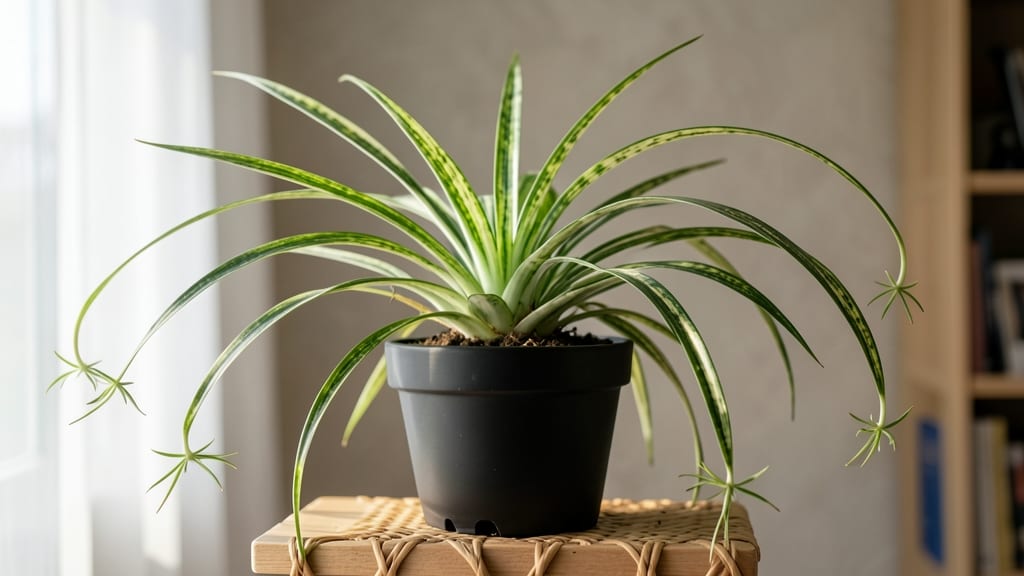
Growing spike plants indoors transforms dull corners into striking green statements—no fancy setups required. 🌿 I’ve turned my own living room into a mini jungle with snake plants, aloe, and cacti that thrive where most plants would wilt. The secret? Understanding their unique needs for light, water, and soil.
These plants love low-light spaces, making them perfect for offices, bathrooms, or north-facing windows. A well-draining potting mix and occasional watering (when the soil is bone-dry) keeps them happy. Overwatering is the #1 killer—let’s fix that together.
You’ll end up with bold, architectural foliage that adds texture and drama to any room. Snake plants even purify the air while you sleep! The best part? They’re nearly indestructible once you get the basics right.
From propagation tricks to troubleshooting yellow leaves, I’ll cover everything you need to keep your spiky friends thriving year-round—no green thumb required.
📚 In This Guide
- What you need
- Instructions
- Tips and common mistakes
- Wrapping up and next steps
What you need
- ● Indoor Spike Plant (Sansevieria or Dracaena spp.) – 1 healthy plant (choose a variety like Sansevieria trifasciata or Dracaena fragrans for low-light resilience).
- ● Well-draining potting mix – 1 bag (1–2 gallons). Look for a blend labeled for snake plants or succulents (e.g., 50% cactus/succulent mix + 50% perlite/pumice).
- ● Pot with drainage holes – 1 container (slightly larger than the plant’s root ball; 6–12" diameter for mature plants).
- ● Watering can or spray bottle – 1 (with a narrow spout for precision).
- ○ Gloves (optional but recommended) – 1 pair (to protect from sap if handling Dracaena).
- ● Slow-release fertilizer – 1 packet (balanced 10-10-10 or organic options like worm castings).
- ● Peat pellets or moisture meter – 1 (to monitor soil dryness).
- ● Decorative cache pot – 1 (for a stylish outer layer if using a cache pot system).
- ● Pruning shears – 1 pair (sterilized, for trimming leggy growth).
- ● LED grow light (low-light spaces) – 1 (12–15W bulb, 6–12" above the plant).
Step-by-Step guide to growing a thriving indoor spike plant
Here's how to coax those signature deep green spikes into your home—even in shady corners.
🪴 Step 1: Select the Right Pot and Drainage
Start with a pot that's at least 6 inches wide and has drainage holes—spike plants hate soggy roots. I like terracotta because it breathes and helps prevent overwatering. If your pot lacks holes, drill a few yourself. Place a small piece of broken pottery or mesh over the hole to keep soil in while allowing water to escape.
Fill the pot with well-draining potting mix—regular garden soil compacts and suffocates roots. Mix in a handful of perlite or coarse sand to improve aeration. The soil should feel light and crumbly, like a damp sponge. Tap the pot gently on the table to settle the mix without compacting it.
🌱 Step 2: Plant and Position for Low-Light Success
Remove the spike plant from its nursery pot and gently loosen the roots if they're circling. Place it in your prepared pot so the top of the root ball sits ½ inch below the rim—this prevents water from spilling out when you water. Fill the sides with more potting mix, pressing lightly to eliminate air pockets.
Spike plants thrive in bright, indirect light but tolerate lower light better than most houseplants. Place yours near an east-facing window or a few feet from a west-facing one. If your space is dim, a grow light 12-18 inches away for 12-14 hours daily will keep it happy. Watch for leaves that look pale or stretched—they're begging for more light.
💧 Step 3: Water with Precision (The Key to Lush Spikes)
Water when the top inch of soil feels dry to the touch. Stick your finger in—if it comes out clean, it's time. Pour water slowly until it drains freely from the bottom. Empty the saucer after 10 minutes to prevent root rot. Overwatering is the #1 killer of spike plants, so err on the side of dryness.
Mist the leaves occasionally to recreate humidity, especially in winter when indoor air gets dry. You'll know you're doing it right when new growth emerges with deep green, glossy leaves and those signature upright spikes. If the tips turn brown, you're overwatering. If leaves yellow, it's time to water.
✂️ Step 4: Prune and Encourage Bushier Growth
Pinch back the tips of new growth when they reach 4-6 inches to encourage branching. Use clean, sharp scissors and make the cut just above a leaf node. This might feel counterintuitive—you want more spikes, not less—but it triggers the plant to produce side shoots, creating a fuller, bushier plant.
Remove any yellow or brown leaves immediately with the same clean scissors. Deadheading spent spikes also redirects the plant's energy into new growth. After pruning, give the plant a light feeding with balanced liquid fertilizer (10-10-10) every 4-6 weeks during spring and summer. You'll see the difference in just a few weeks—thicker stems and more vibrant foliage.
☀️ Step 5: Rotate and Monitor for Pests
Turn the pot a quarter turn weekly so the plant grows evenly toward the light. You'll notice one side leaning? That's your cue to move it. Check the undersides of leaves regularly for spider mites or mealybugs—common pests that love dry indoor air. Wipe leaves with a damp cloth weekly to remove dust and deter pests.
If you spot pests, isolate the plant and treat with neem oil or insecticidal soap. For severe infestations, repeat the treatment every 3-5 days until they're gone. A healthy spike plant should have fewer than 5 pests per leaf—any more means it's time to act. With consistent care, your plant will reward you with bold, upright spikes and lush foliage year-round.
Tips & tricks for thriving indoor spike plants
These simple strategies will help you avoid common pitfalls and keep your spike plant looking its absolute best.
Soil Science: The well-draining potting mix from Step 1 is crucial—don't skimp on the perlite or coarse sand. I've seen plants suffer when people use regular garden soil, which compacts and suffocates roots. For extra insurance, add a layer of small pebbles at the bottom of your pot before adding soil. This creates additional drainage and prevents water from pooling at the roots.
Light Strategy: When using a grow light for 12-14 hours daily, position it so the light just grazes the top leaves. Too close and you'll burn the tips; too far and the light won't be effective. I like to use a simple timer to automate the light schedule—this ensures consistent exposure without you having to remember to turn it on and off.
Pruning Payoff: That 4-6 inch pinch point in Step 4 might seem counterintuitive, but trust me—it works wonders. I've seen plants go from sparse and leggy to full and bushy in just a few months after starting this practice. Always use clean scissors to prevent disease transmission between cuts. Also, save those pinchings! Place them in water and you'll often get new baby plants growing.
Pest Prevention: The weekly leaf wipe you'll do in Step 5 isn't just about dust removal—it's your first line of defense against pests. I've found that plants with clean leaves develop a natural resistance to spider mites and mealybugs. For extra protection, spray your plant with a diluted neem oil solution (1 tsp per quart of water) every other month during growing season. This creates a protective barrier that pests avoid.
Pro Tips for Indoor Spike Plant
- These simple strategies will help you avoid common pitfalls and keep your spike plant looking its absolute best.
- Soil Science: The well-draining potting mix from Step 1 is crucial—don't skimp on the perlite or coarse sand.
- Light Strategy: When using a grow light for 12-14 hours daily, position it so the light just grazes the top leaves.
Frequently asked questions
Got questions about growing your indoor spike plant? You’re not alone! Whether you’re a beginner or just need a quick refresher, here are the answers to the most common concerns—so you can keep those lush, spiky leaves thriving with confidence.
How much light does an indoor spike plant really need?
While spike plants (like Sansevieria or Dracaena) tolerate low light, they thrive in bright, indirect light—think near a north- or east-facing window. If leaves stretch or pale, it’s a sign they’re reaching for more light. A few hours of morning sun or a grow light can work wonders! Pro tip: Rotate the pot every few weeks for even growth.
How often should I water my spike plant?
Overwatering is the #1 killer of spike plants! Let the soil dry out completely between waterings—usually every 2–3 weeks (less in winter). Stick your finger 2 inches deep; if it’s dry, it’s time. Use a pot with drainage holes and well-draining soil to prevent root rot. Yellow leaves? You’re likely overdoing it.
Why are bugs crawling on my spike plant?
Pests like spider mites or mealybugs love spike plants, especially in dry conditions. Wipe leaves with a damp cloth to remove dust (which attracts bugs), and treat infestations with neem oil or insecticidal soap. Isolate the plant until pests are gone, and check the soil—overwatering can also invite fungus gnats.
Can spike plants survive in cold or dry air?
Yes! Spike plants are tough and handle dry air well, making them perfect for homes with low humidity (like those with central heating). However, they prefer temperatures between 60–85°F (15–29°C). Avoid cold drafts (like AC vents or windows in winter) to prevent leaf damage. A occasional misting won’t hurt, but it’s not necessary.
What can I do if my spike plant’s leaves are turning brown?
Brown tips usually mean underwatering or fluoride/chlorine in tap water. Try these fixes:
- Water deeply but less often (let soil dry out).
- Use filtered or distilled water.
- Trim dead tips with clean scissors.
- Check for sunburn if brown spots appear suddenly.
Wrapping up and next steps
Growing an indoor spike plant is a rewarding way to bring vibrant foliage into low-light spaces—no green thumb required! 🌿 With the right care, these striking plants thrive with minimal effort, adding a touch of nature to your home.
Whether you’re a beginner or seasoned plant parent, their adaptability makes them a perfect choice for any indoor garden.
Ready to see your spike plant flourish? Start by choosing the right spot (like a bright, indirect window) and keep those leaves happy with occasional misting. Next, explore more low-light plants or share your progress with fellow plant lovers—your green journey is just beginning! 💚