How To
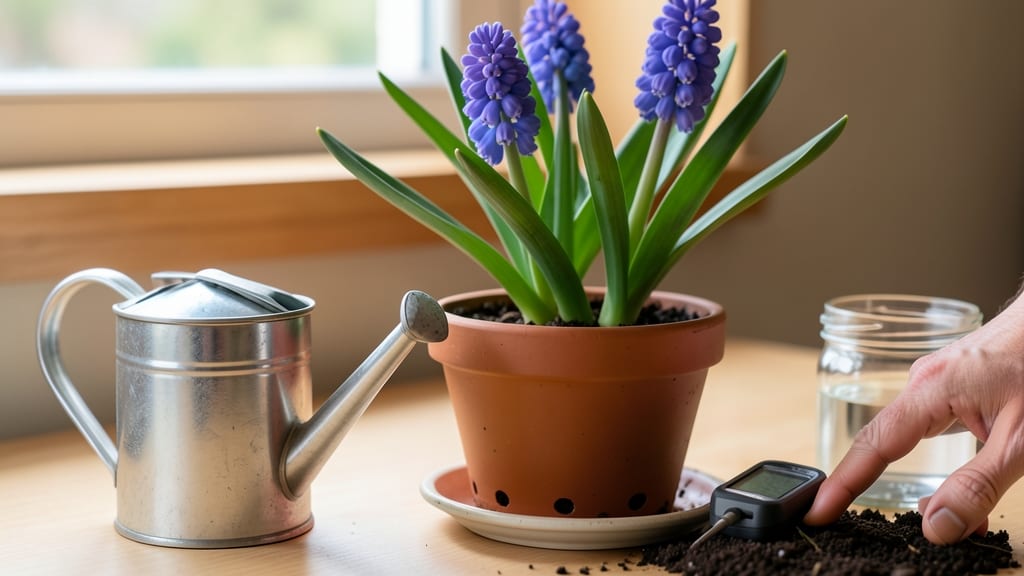
Watering your indoor hyacinth 🌸 every 2 weeks is the key to keeping it blooming year-round without drowning the roots.
Struggling to keep your indoor hyacinth blooming? Overwatering or underwatering can kill these stunning flowers faster than you think—here’s the exact science-backed method to water them perfectly.
Most people guess based on a schedule, but hyacinths thrive when you check the soil first. Stick your finger an inch deep: if it feels dry, it’s time to water. If it’s still damp, wait another week.
Below, I’ll walk you through the 2-week soil check method, seasonal adjustments, and how to spot overwatering before it’s too late—so your hyacinth stays vibrant and healthy.
The 2-Week soil check method for perfect hyacinth watering
Indoor hyacinths (🌸) thrive on a consistent moisture schedule, but guessing when to water often leads to root rot or wilting. My 2-week soil check method eliminates the guesswork by teaching you to read your plant’s soil moisture like a pro.
This approach combines finger-testing with seasonal adjustments to keep your hyacinth blooming for weeks.
The key is understanding that pot size and humidity levels drastically change how often hyacinths need water. A 6-inch pot may need watering every 5-7 days, while a 10-inch container can stretch to 10-14 days.
Indoor air is often drier than outdoor conditions, so I’ve adapted this method to account for central heating or humidifiers that can dry soil faster.
Step-by-Step Watering Guide for Indoor Hyacinths
- 1 Day 1: Insert your index finger 1-2 inches into the soil. If it feels dry (like a powdery cake mix), water thoroughly until water drains from the bottom.
- 2 Day 7: Repeat the finger test. If the top 1 inch is dry but 2 inches down feels moist, water lightly (about ½ cup). This prevents overwatering while keeping roots hydrated.
- 3 Day 14: Test again. If the soil is still moist 2 inches down, skip watering. If dry, water deeply. This bi-weekly check ensures you’re matching your hyacinth’s natural water needs.
- 4 Adjust for Season: In winter, reduce watering to every 2-3 weeks (soil stays moist longer). In summer, increase to weekly if your home is dry from AC.
- 5 Pro Tip: Use a moisture meter for accuracy if you’re unsure. Hyacinth bulbs rot quickly in soggy soil, but they also wilt fast when thirsty.
One common mistake I see is watering on a schedule rather than checking the soil. Hyacinths in terracotta pots dry out faster than those in plastic containers, so adjust your method based on your pot’s material. For example, terracotta may need watering 2-3 days earlier than plastic.
Pay attention to your hyacinth’s leaves too. Drooping foliage by midday signals thirst, while yellowing leaves or mushy stems mean you’re overwatering. I’ve found that morning watering (before 10 AM) gives roots time to absorb moisture without encouraging fungal growth from evening dampness.
If your hyacinth is in active bloom, it’ll drink more water—increase frequency to every 5-7 days. After blooming, reduce to bi-weekly checks to mimic its natural dormancy period. This seasonal adjustment is critical for next year’s flowers.
For humid environments (like bathrooms), extend the time between waterings to 3 weeks. The 2-week method is a baseline—always customize based on your home’s microclimate. Over time, you’ll develop an instinct for your hyacinth’s needs.
Remember: Well-draining soil is non-negotiable. If water pools in the saucer, empty it after 10 minutes. Stagnant water is the #1 killer of indoor hyacinths. With this method, your hyacinth will reward you with vibrant blooms and healthy foliage all season long.
Signs your hyacinth needs water (vs. overwatering warning signs)
Hyacinths are delicate beauties that send clear signals when their water needs aren't met. The key is learning to read these visual cues before they become irreversible problems.
Unlike outdoor plants, indoor hyacinths rely entirely on you to maintain that perfect moisture balance—too little, and their leaves wilt; too much, and you risk root rot that can kill them in weeks.
Start by checking the top inch of soil with your finger. If it feels completely dry, your hyacinth is thirsty and needs water immediately. But watch for yellowing leaves or a mushy bulb—these are red flags that you've crossed into overwatering territory.
The difference between saving and losing your plant often comes down to recognizing these early warning signs before they escalate.
Pros-Cons Box: Indoor Hyacinth Watering Guide
✅ DO This
- Water when topsoil is bone-dry (1 inch deep)
- Use room-temperature water to avoid shocking roots
- Water morning only to prevent fungal growth
- Use pots with drainage holes to prevent soggy soil
- Check soil moisture weekly in winter, bi-weekly in summer
❌ DON'T Do This
- Water on a schedule without checking soil
- Let plant sit in standing water for hours
- Use cold water straight from the tap
- Ignore yellow leaves or mushy bulbs
- Overcrowd bulbs in small pots without drainage
One of the most common mistakes I see is watering by calendar rather than by soil conditions. Hyacinths in small pots dry out faster than those in larger containers, so adjust your schedule accordingly.
A good rule of thumb is to water every 7-10 days during active growth (spring and fall), but always verify by sticking your finger into the soil. If it feels dry past your first knuckle, it's time to water.
Watch for drooping leaves that don't perk up after watering—this often signals root stress from either too much or too little water. Another telltale sign is when the flower stems bend or flop over.
While this can happen naturally as blooms mature, severe drooping combined with crispy leaf edges usually means your hyacinth has been chronically underwatered. In contrast, soft, yellow leaves or a foul smell from the soil are classic overwatering symptoms.
Preventive care is easier than fixing problems. Always use a well-draining potting mix designed for bulbs, and consider adding a layer of perlite or sand to improve drainage. After watering, empty any excess from the saucer within 15-30 minutes to prevent the roots from sitting in water.
If you notice mold or black spots on the soil surface, this is a critical warning that you're overwatering—act immediately by letting the soil dry out completely before watering again.
Remember, hyacinths are bulb plants that store water in their roots. They prefer to dry out slightly between waterings rather than stay consistently moist. When in doubt, underwater slightly—your hyacinth will forgive occasional dry spells far more easily than it will forgive soggy soil.
With practice, you'll develop an instinct for when your plant needs a drink, and those vibrant blooms will thank you for it.