
Plants
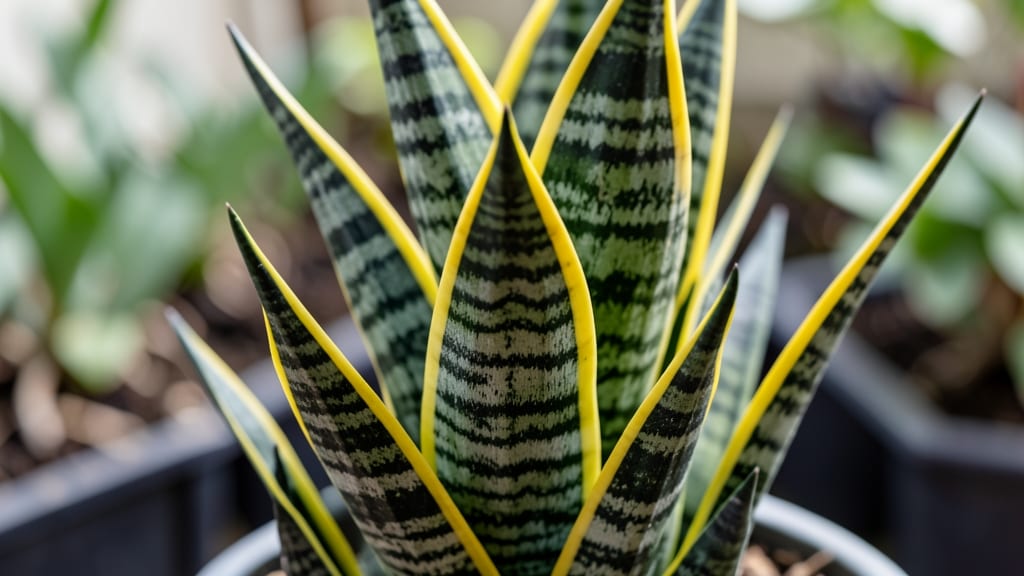
A snake plant needs 6-8 hours of bright indirect sunlight indoors to thrive—far less than you might think, but the wrong kind of light can turn your 🌱 into a leggy mess.
Struggling to keep your snake plant alive? You might be getting the lighting wrong—this hardy plant thrives with surprisingly little light, but too much (or too little) can turn it into a sad, leggy shadow of its former self.
Most people assume these plants need plenty of sun, but the truth is they adapt to low-light conditions better than many houseplants. The key is finding that sweet spot where they get enough light to grow without scorching.
Below, I’ll show you exactly where to place your snake plant for optimal health, how to spot light stress, and even how to fix it if it’s already suffering from poor lighting.


Ideal light requirements for snake plants indoors: the perfect balance of bright indirect sunlight
If you're wondering how much light does a snake plant need indoors, the answer is simpler than you might expect. These resilient plants thrive on 6-8 hours of bright indirect sunlight daily, making them perfect for busy households.
Unlike sun-loving plants, snake plants adapt well to low-light conditions, but they’ll reward you with lush, vibrant growth when given the right balance.
The key is avoiding direct sunlight, which can scorch leaves, while ensuring they get enough light to prevent leggy, stretched growth. Most indoor spaces can accommodate snake plants, but placement matters—especially if your home has limited natural light.
Let’s break down the perfect lighting setup for your snake plant’s success.
🌱 Summary Table: Snake Plant Light Requirements
For optimal growth, place your snake plant near an east-facing window, where it’ll receive gentle morning light without harsh afternoon rays. West-facing windows work too, but move the plant back 2-3 feet to avoid direct sunlight in the late afternoon.
If your home lacks natural light, grow lights are a game-changer—just ensure they’re 12-14 inches away for even coverage.
Snake plants are famously low-light tolerant, but don’t mistake this for neglect. In dim conditions, they’ll stretch toward any available light, producing long, thin leaves that weaken the plant’s structure.
If you notice this, it’s time to rotate the pot weekly so all sides get equal exposure or supplement with a LED grow bulb.
One common misconception is that snake plants thrive in complete darkness. While they’ll survive, their growth slows dramatically, and leaves may become pale and weak. Think of them like a low-maintenance roommate—they’ll put up with a lot, but they’ll shine brightest with a little extra care.
Even fluorescent lighting in an office or bathroom can suffice if natural light is scarce.
If your snake plant is near a south-facing window, watch for sunburn signs like crispy brown edges or bleached patches. These are clear warnings to move the plant farther back or use a sheer curtain to diffuse the light.
Remember, bright indirect light is the sweet spot—imagine the glow of a well-lit desk lamp without the heat.
For those with dark corners, don’t despair. Snake plants are adaptable survivors, and with a little help, they’ll thrive. Place the pot on a draft-free surface (like a bookshelf) and supplement with a 10-12 hour grow light daily.
Over time, you’ll see stronger, healthier foliage as the plant adjusts to its new lighting routine.
Pro tip: Rotate your snake plant every 2-3 months to ensure even growth. Plants naturally lean toward light sources, so turning the pot helps maintain a balanced, bushy shape. This simple habit prevents lopsided growth and keeps your plant looking its best year-round.
In summary, snake plants are flexible but not indifferent to light. They’ll tolerate low-light conditions but truly flourish with 6-8 hours of bright indirect sunlight.
Whether you’re a plant parent in a sunny apartment or a dimly lit office, there’s a lighting solution to keep your snake plant happy and growing. Start with the right placement, and you’ll enjoy a low-maintenance, high-reward indoor green friend for years to come. 🌿
Signs your snake plant isn’t getting enough (or too much) light: how to diagnose and fix common issues
Your snake plant might be silently screaming for help if its leaves start looking yellowed or brown-tipped. These are classic signs of light stress, whether from too little or too much exposure. Unlike fussy houseplants, snake plants are tough—but even they have limits when it comes to sunlight.
One of the first clues is stretched growth, where the leaves become tall and thin, reaching for light like a starving plant. This etiolation happens when your snake plant isn’t getting enough bright indirect light.
On the flip side, crispy brown patches or white spots mean it’s getting scorching direct sunlight, which can burn its leaves.
| Factor | Pros | Cons |
|---|---|---|
| Low Light (<2 hours) | Survives in dim offices | Leads to stretched, weak growth |
| Bright Indirect (6-8 hours) | Healthy, compact growth | None if filtered properly |
| Direct Sunlight (>4 hours) | Faster growth in summer | Causes brown or white leaf tips |
If your snake plant is near a south-facing window, it’s likely getting too much direct sunlight. Move it 6-10 feet back or use a sheer curtain to diffuse the light. For north-facing windows, your plant might need a grow light for 12-14 hours daily to prevent stretching.
East or west windows are ideal—they provide gentle morning or soft afternoon light without harsh midday rays. Place your snake plant 2-3 feet from an east window or 4-5 feet from a west window for perfect balance.
Observe the leaves: if they’re dark green and upright, you’ve nailed the lighting!
For artificial lighting, use a full-spectrum LED grow light 6-12 inches above the plant for 10-12 hours daily. Fluorescent bulbs work too, but keep them closer (4-6 inches) since they emit less intensity. Test your setup by checking for even color—no yellow or pale patches.
Finally, don’t ignore the soil. Overwatering stressed plants worsens light issues, so let the top 2 inches dry out between waterings. If your snake plant is struggling, trim the long, leggy leaves to encourage bushier growth and reduce stress.
With the right light, your snake plant will bounce back in 4-6 weeks!