
How To
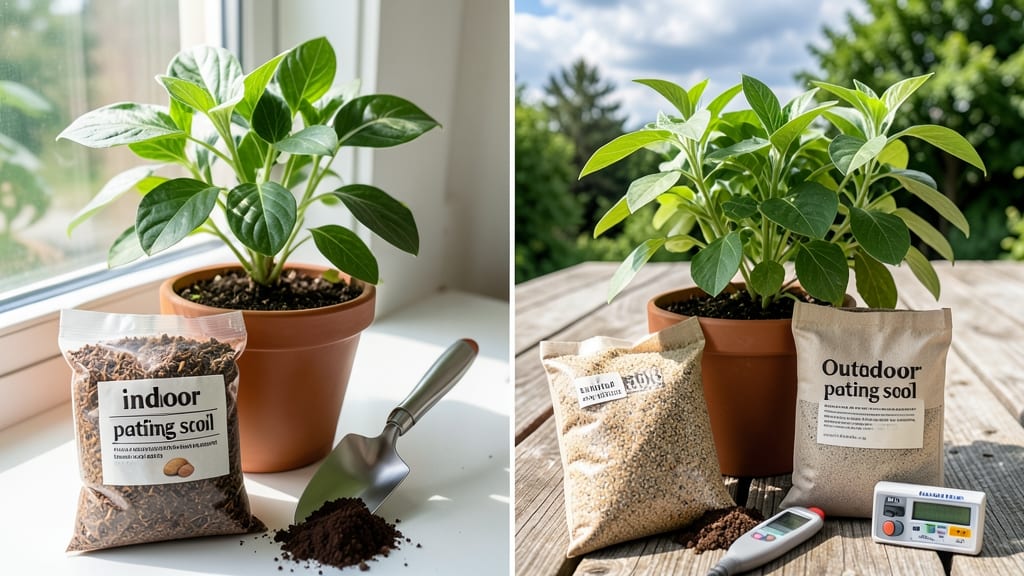
Your plant's roots will either thrive or suffocate based on one simple choice: indoor potting soil vs outdoor potting soil. 🌱 The wrong mix means stunted herbs, drowned ferns, or vegetables that refuse to grow—even with perfect light and water.
I've seen both disasters firsthand, and the difference comes down to three key factors: drainage, nutrients, and how tightly the soil holds moisture.
Indoor potting soil is designed to stay lightly moist while preventing root rot—critical for container plants like herbs, succulents, and tropicals that can't handle soggy roots. It's packed with organic matter (like peat or coconut coir) to retain just enough moisture, plus perlite or vermiculite to keep air flowing.
Outdoor soil, on the other hand, needs to breathe differently: it's heavier, with more sand or grit to prevent compaction, and often includes slow-release nutrients for plants that grow season after season.
Here's the game-changer: indoor soil drains 30-50% faster than outdoor mix, which is why your potted basil wilts when you water it "just right" for tomatoes. Outdoor soil stays looser and more forgiving—it can handle heavy rains and still support deep-rooted plants like roses or vegetables.
The wrong choice means wasted money on plants that never reach their potential, or worse, the slow death of a favorite houseplant.
For indoor plants, look for a lightweight mix labeled "potting soil" or "container mix"—avoid garden soil entirely. For outdoor containers (like patio tomatoes), blend 60% potting soil with 40% outdoor soil to balance moisture and nutrients.
And remember: never reuse old potting soil—it compacts over time, cutting off oxygen to roots. Fresh soil is the secret weapon for both indoor greenery and outdoor containers.
The first product explained
Meet Miracle-Gro Indoor Potting Mix—your go-to companion for nurturing lush, vibrant plants indoors! 🌿✨ This premium blend is specially formulated to meet the unique needs of container-grown plants, whether you're a seasoned gardener or just dipping your toes into the world of houseplants. Let’s dive into what makes this soil stand out.
📏 Specs & Features
Designed with lightweight, airy texture, this potting mix ensures optimal drainage while retaining just enough moisture to keep roots happy. Here’s what you get:
- Peat moss & compost: Rich in organic matter for nutrient retention.
- Perlite & vermiculite: Improves aeration and prevents compaction.
- Controlled-release fertilizer: Feeds plants slowly for steady growth.
- pH-balanced (5.5-6.5): Ideal for most indoor plants, including ferns, succulents, and herbs.
- No synthetic chemicals: Safe for pets and kids (once settled).
🎯 Target Users
This potting mix is a perfect fit for:
- 🌱 Houseplant enthusiasts: Ideal for ferns, snake plants, pothos, and other low-maintenance greens.
- 🌿 Herb gardeners: Supports basil, mint, parsley, and other culinary herbs.
- 🌸 Flower lovers: Great for African violets, orchids, and other flowering indoor plants.
- 🏡 Small-space gardeners: Perfect for balconies, windowsills, and indoor grow tents.
💰 Price Point & Value
Priced at $8.99 for a 8-quart bag, this potting mix offers exceptional value for its quality and versatility. While it may be slightly pricier than generic soil, the long-term benefits—like healthier plants, fewer nutrients, and less risk of overwatering—make it a worthwhile investment.
Plus, one bag can last for multiple repottings!
Pro Tip: 💡 Mix this with a bit of worm castings for an extra nutrient boost if you’re growing heavy feeders like monstera or calatheas!
The second product explained
Meet Miracle-Gro Indoor Potting Mix—your go-to companion for nurturing lush, vibrant houseplants and container gardens! 🌿✨ This premium blend is specially formulated for indoor use, ensuring your plants thrive in cozy, controlled environments like apartments, offices, or sunrooms. Whether you're a seasoned plant parent or just starting your green journey, this product is designed to simplify your gardening life while delivering exceptional results.
📏 Key Specs & Features
Here’s what makes this potting mix stand out:
- Perfect for indoor plants: Engineered with lightweight, airy texture to promote root growth and prevent compaction—ideal for pots, hanging baskets, and window boxes.
- Balanced nutrients: Includes slow-release fertilizer (12-12-18 NPK ratio) to feed plants for up to 6 months, reducing the need for frequent feeding.
- Moisture control: Blended with water-retaining polymers to help maintain consistent moisture levels, even in dry indoor air.
- Pest & disease resistance: Contains natural ingredients like mycorrhizae to boost plant immunity and deter common indoor pests.
- Universal compatibility: Works for herbs, succulents, ferns, and flowering plants—perfect for mixed containers or solo plant care.
🎯 Who Is This For?
This potting mix is a game-changer for:
- Busy plant lovers: The slow-release fertilizer means less maintenance—just water and watch your plants flourish!
- Small-space gardeners: Ideal for apartments, balconies, or offices where outdoor soil isn’t an option.
- Newbies & pros alike: Easy to use, with clear instructions and forgiving formulation for beginners.
- Herb & veggie enthusiasts: Perfect for growing basil, mint, or cherry tomatoes in pots.
💰 Price Point & Value
Priced at $8.99 for a 8-quart bag (or ~$1.12 per quart), this mix offers exceptional value for its quality and longevity. While it’s slightly more expensive than generic blends, the nutrient boost and convenience make it a worthwhile investment for serious plant parents.
Plus, one bag can often fill multiple small pots, stretching your budget further!
Pro Tip: 💡 For succulents and cacti, mix this with extra perlite or sand (about 20%) to improve drainage—these plants hate soggy roots!
Head-to-head comparison
Ready to dive into the nitty-gritty? Let’s break down the key differences between indoor potting soil and outdoor potting soil in a side-by-side comparison. Whether you’re a plant parent or a gardening enthusiast, understanding these distinctions will help you choose the perfect soil for your green babies! 🌱🌿
📊 Performance
Performance is where indoor and outdoor potting soils truly diverge. Here’s how they stack up:
- Indoor Potting Soil: Designed for container gardening, this soil is optimized for drainage and moisture retention—critical for plants confined to pots. It often includes perlite, vermiculite, or coconut coir to prevent waterlogging, which can suffocate roots. Plus, it’s usually lighter and less dense, making it easier for plants to access nutrients.
- Outdoor Potting Soil: Built for in-ground or raised-bed gardening, this soil mimics natural soil conditions. It’s heavier and more compact, providing stability for larger plants and deeper root systems. However, it may lack the airiness of indoor soil, which can be a downside for container plants prone to root rot.
Pro Tip: 💡 If you’re using outdoor soil in pots, mix in compost or perlite to improve aeration and drainage!
🛠️ Features
Let’s talk about what’s actually in the bag. Here’s what sets them apart:
| Feature | Indoor Potting Soil | Outdoor Potting Soil |
|---|---|---|
| Organic Matter | Higher percentage (often 30-50%) for nutrient-rich growth. | Moderate (10-30%), as it’s blended with mineral content for stability. |
| Drainage Additives | Includes perlite, vermiculite, or sand to prevent soggy roots. | May contain sand or gravel, but less emphasis on aeration. |
| Fertility | Often pre-mixed with slow-release fertilizer for convenience. | May require additional amendments (like compost) for optimal growth. |
| pH Balance | Neutral to slightly acidic (6.0-7.0) to suit most houseplants. | Varies widely (5.5-8.0), depending on regional soil types. |
| Weed Seeds | Weed-free (sterilized for indoor use). | May contain weed seeds or pathogens if not sterilized. |
Pro Tip: ✨ Always check the label for sterilization if you’re using outdoor soil indoors—you don’t want unwanted surprises like weeds or fungi!
$💰 Price
Your wallet will notice the difference too! Here’s the cost breakdown:
- Indoor Potting Soil: Typically $3-$8 per bag (smaller bags, 1-2 cubic feet). Pricier due to high-quality additives and sterilization.
- Outdoor Potting Soil: More budget-friendly at $2-$6 per bag (larger bags, 2-4 cubic feet). Bulk purchases can save you even more!
Pro Tip: 🎯 If you’re on a budget, consider blending outdoor soil with compost to mimic indoor soil’s nutrient density without the full price tag.
🏗️ Durability & Longevity
How long will your soil keep your plants happy? Let’s compare:
- Indoor Potting Soil: Depletes faster due to high nutrient content and frequent watering. Most gardeners refresh it every 6-12 months or when plants show signs of nutrient deficiency (e.g., yellowing leaves).
- Outdoor Potting Soil: Lasts longer because it’s less nutrient-dense and exposed to natural weathering. However, it can compact over time, reducing aeration. Top-dressing with compost can extend its life.
Pro Tip: 🌡️ For indoor soil, rotate crops or repot annually to prevent nutrient exhaustion. For outdoor soil, mix in fresh compost every season to keep it vibrant.
🌿 Best Use Cases
Not sure which soil to pick? Here’s when to use each:
- Indoor Potting Soil:
- Houseplants (e.g., snake plants, pothos, ferns).
- Herbs and veggies in containers or windowsill gardens.
- Succulents and cacti (use a cactus-specific mix for extra drainage!).
- Seed starting (sterile and nutrient-dense).
- Outdoor Potting Soil:
- In-ground planting (vegetables, flowers, shrubs).
- Raised garden beds.
- Larger container plants (e.g., tomatoes, peppers, small trees).
- Amending poor-quality garden soil.
Pro Tip: 🔥 For container gardening outdoors (like patio plants), a 50/50 mix of indoor and outdoor soil can be a game-changer!
Which one should you choose?
So, which potting soil is the right fit for your green thumb? The answer depends on where—and how—you’re growing! Let’s break it down to help you make the best choice for your plants, budget, and space. 🌱✨
🏡 Pick Indoor Potting Soil If...
- You’re growing plants in containers, pots, or raised beds indoors. Indoor soil is lighter, airier, and packed with nutrients to support root health in confined spaces.
- Your plants are sensitive to moisture or prone to root rot. The added perlite or vermiculite improves drainage, keeping roots happy without soggy messes.
- You’re working with limited space or urban gardening. It’s designed to maximize growth in small areas, making it perfect for herbs, succulents, or houseplants.
- You want convenience and consistency. Pre-mixed blends reduce guesswork, and many include slow-release fertilizers to keep plants thriving with less effort.
🌿 Choose Outdoor Potting Soil If...
- You’re planting in garden beds, in-ground areas, or large containers outdoors. Its heavier texture and higher organic matter content mimic natural soil, supporting deeper root systems.
- Your plants need extra strength for seasonal changes. The higher clay or sand content helps retain moisture during dry spells and provides structure for hearty plants like tomatoes or shrubs.
- You’re amending existing soil or preparing new garden plots. Outdoor soil blends often include compost or aged manure, giving your plants a nutrient boost over time.
- You’re on a budget or want to DIY. It’s often cheaper and easier to source locally, plus you can customize it with yard waste or compost for a personalized touch.
💡 Pro Tip for Hybrid Growers:
If you’re both growing indoors and outdoors, consider a universal potting mix as a compromise—or blend the two! Mix 70% outdoor soil with 30% indoor soil for containers that see seasonal shifts (like balcony gardens).
Just adjust based on your plant’s needs: succulents love the indoor mix, while veggies thrive with more outdoor soil.
📋 Quick Decision Guide:
| Factor | Indoor Potting Soil | Outdoor Potting Soil |
|---|---|---|
| Best for | Containers, houseplants, herbs, succulents | Garden beds, outdoor plants, veggies, shrubs |
| Drainage | ⭐⭐⭐⭐⭐ (Excellent) | ⭐⭐⭐ (Moderate—add sand if needed) |
| Nutrient Density | ⭐⭐⭐⭐ (Short-term boost) | ⭐⭐⭐⭐⭐ (Long-term organic richness) |
| Cost | $ (Mid-range) | $–$$$ (Budget-friendly to premium) |
Still unsure? Start small! Buy a small bag of each and test them with a few plants. Observe how they perform over a few weeks—your plants will tell you what they love! 🌟