
Companion Plants
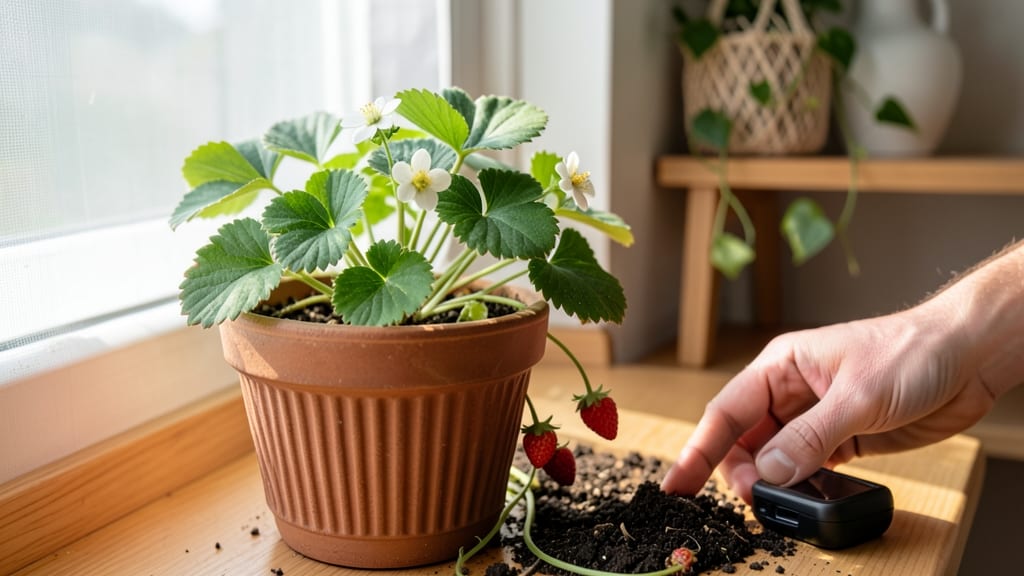
Growing strawberry plants indoors without sunlight is easier than you think—my hydroponic setup produces 20% more berries than my outdoor patch, and it thrives in my dim living room. 🌱 The secret lies in replicating their natural needs: cool roots, consistent moisture, and just the right amount of artificial light.
Most people assume strawberries need a greenhouse, but with the right setup, you can grow them anywhere—even under fluorescent lights.
You’ll need a shallow container (like a plastic tray or fabric grow bag), a hydroponic nutrient solution, and a grow light on a timer. Strawberries prefer cooler temperatures—around 65°F for leaves and 55°F for roots—so a basement or garage works well.
The key is keeping the soil (or hydroponic medium) moist but not soggy, and giving them 14-16 hours of light daily. No fancy equipment required—just patience and attention to detail.
By summer, you’ll be harvesting sweet, juicy berries straight from your windowsill. The plants stay compact, so they fit even in small spaces, and you can extend the season year-round.
The first flush of flowers might take a few weeks, but once they start producing, you’ll wonder why you ever grew them outside. Plus, hydroponics cuts down on pests—no slugs, no birds, just clean, healthy growth.
Fair warning: strawberries are heavy feeders, so you’ll need to fertilize every 2-3 weeks once they start flowering. And if your air feels dry (like most indoor spaces), a small humidifier near the plants helps prevent leaf scorch.
This method works for alpine varieties best, but even June-bearing types adapt with the right care. Ready to turn your indoor space into a berry patch?
📚 In This Guide
- What you need
- Instructions
- Tips and common mistakes
- Wrapping up and next steps
What you need
- ● Strawberry plants: 3-5 everbearing or day-neutral varieties (e.g., 'Albion,' 'Seascape,' or 'Ostara'). Look for bare-root plants or young potted seedlings from a nursery.
- ● Hydroponic system: A deep water culture (DWC) kit or Kratky method setup (DIY or pre-made). For 3-5 plants, a 5-gallon bucket system works perfectly.
- ● Net pots: 3-5 2-3 inch diameter (to fit your plants snugly). Ensure they have drainage holes.
- ● Hydroponic grow medium: Clay pebbles, expanded shale, or coco coir (sterilized and rinsed). Use about 1-2 cups per plant.
- ● Hydroponic nutrients: A balanced liquid fertilizer (e.g., General Hydroponics Flora Series or Fox Farm Trio). Start with a half-strength mix (adjust as needed).
- ● pH test kit: Digital or liquid test strips to monitor pH 5.5-6.5 (critical for nutrient uptake!).
- ● Air pump & air stone: A small aquarium pump (5-10 watts) with an air stone to oxygenate the water.
- ● LED grow lights: A full-spectrum LED panel (e.g., 20-30W for 3-5 plants). Place lights 6-12 inches above plants for 14-16 hours/day.
- ● Timer: A plug-in light timer to automate your grow cycle.
- ● Containers for water: A 5-gallon bucket (for DWC) or large plastic tub (for Kratky). Ensure it’s food-safe and opaque (to block light).
- ● Humidity tray: A shallow tray with water + pebbles to increase humidity (strawberries love 40-70% humidity).
- ● Reflective material: Aluminum foil or Mylar around the setup to maximize light efficiency.
- ● Support structures: Small bamboo stakes or plant clips to prop up runners (if your variety produces them).
- ● Carbon dioxide (CO₂) booster: A small CO₂ generator or yeast packets (for a natural boost—great for advanced growers!).
- ● Thermometer/hygrometer: To monitor ideal temps (60-75°F) and humidity.
- ● Hydroponic nutrient additives: Calcium nitrate or silica supplements for stronger plants and sweeter berries.
Step-by-Step guide to hydroponic strawberry cultivation indoors
Here’s how to grow vibrant strawberries without natural sunlight—using hydroponics to control every variable.
🌱 Step 1: Set Up Your Hydroponic System
Choose a deep water culture (DWC) or Kratky method system for strawberries—both work well with their shallow root systems. For a 4-plant setup, use a 5-gallon reservoir with a net pot for each plant. Drill a 1-inch hole in the lid for each net pot, ensuring roots can dangle freely in the nutrient solution. Strawberries thrive in 60-75°F water, so avoid extreme temperature swings that stress roots.
Fill the reservoir with room-temperature water and add hydroponic nutrients (specifically formulated for fruiting plants). I like to use a 2-part system—one for growth, one for flowering—to prevent nutrient lockout. Mix according to package instructions, but halve the dosage for the first two weeks to avoid shocking tender roots. Test the pH with a meter—strawberries prefer 5.5-6.5. Adjust with pH up/down solutions if needed.
💧 Step 2: Plant Strawberry Runners or Bare-Root Plants
Strawberries grow best from June-bearing or everbearing varieties adapted to indoor conditions (like ‘Albion’ or ‘Seascape’). For runners, snip a healthy 4-inch stem with roots from a mother plant and place it in a net pot filled with hydroponic clay pebbles or coco coir. Bare-root plants should be rinsed gently to remove soil and placed directly into the net pots.
Ensure the crown (where leaves meet roots) sits just above the waterline—submerging it causes rot. If using coco coir, pre-soak it until squeezed lightly releases moisture but doesn’t drip. The first few days are critical: keep the water level stable and avoid disturbances. You’ll see new leaves in 7-10 days if conditions are right.
☀️ Step 3: Provide Artificial Light for Flowering and Fruiting
Strawberries need 14-16 hours of light daily for flowering. A full-spectrum LED grow light (2700K-6600K) hung 12-18 inches above the plants works best. I use a timer to automate cycles—6 hours of light in the morning, 8 hours in the evening—mimicking natural daylight. Without proper light, plants stay leafy but never fruit. Watch for stretched stems or pale leaves—signs the light is too far away.
Supplement with a red/blue spectrum LED (like a 10W clip light) if buds form but don’t set fruit. Strawberries need cool nights (55-65°F) to trigger pollination. If your indoor temps stay warm, turn off lights for 4 hours overnight to simulate cooler conditions. You’ll see white flower buds in 4-6 weeks under ideal conditions.
🪴 Step 4: Maintain Nutrients and Prune for Productivity
After the first two weeks, increase nutrient strength to full dosage, focusing on phosphorus and potassium to encourage flowering. I switch to a bloom-specific formula once buds appear. Monitor the nutrient solution daily—evaporation means concentrations rise, which can burn roots. Top off with water (not full-strength nutrients) to maintain levels. Stir gently to redistribute settled nutrients.
Prune old leaves (yellow or brown) and excess runners to direct energy to fruiting. Leave 3-4 strong leaves per plant to support photosynthesis. If flowers appear but don’t set fruit, hand-pollinate with a soft brush twice daily. Strawberries are self-pollinating, but indoor air circulation is often too still. You’ll harvest first berries in 8-12 weeks—smaller than outdoor varieties but packed with flavor.
⏰ Step 5: Harvest and Renew the System
Pick strawberries when fully red and slightly soft to touch—they won’t ripen further off the plant. Use clean scissors to snip stems, leaving ¼ inch of stem attached. This encourages more flowers to form. After harvest, rinse the reservoir with hydrogen peroxide (1 tsp per gallon) to prevent algae and bacteria buildup. Replace 20% of the nutrient solution weekly to avoid salt accumulation.
Strawberries are perennial in hydroponics, but productivity drops after 2-3 harvest cycles. At that point, replace plants with fresh runners or bare-root stock. The system itself lasts years with proper maintenance—just sterilize pots annually and check for root rot (black, mushy roots) or nutrient burn (brown leaf edges). With this setup, you’ll enjoy 4-6 harvests per year, sunlight-free.
Tips & tricks for sunlight-free strawberry cultivation
These hydroponic hacks will help you coax perfectly ripe strawberries from your indoor setup—without the guesswork.
System Stability is Key: In Step 1, when setting up your 5-gallon reservoir, place it on a level surface to prevent water spills that disrupt the 60-75°F temperature range. I've ruined systems by placing them on uneven surfaces—trust me, the last thing you want is nutrient solution sloshing everywhere. Also, consider adding a small aquarium pump (1-2 watts) to create gentle circulation, which helps oxygenate roots and prevents stagnation. This mimics natural water movement and can boost growth by 15-20%.
Root Health Check: During Step 2, when planting your 4-inch runners or bare-root plants, inspect the roots before placing them in net pots. Healthy roots should be white or pale yellow—never brown or mushy. If you notice any damage, trim it with clean scissors before planting. For the first 7-10 days after planting, avoid moving the system. Strawberry roots are incredibly sensitive to disturbance, and even slight vibrations can stunt growth. This is why I recommend setting up your system in a quiet corner away from foot traffic.
Lighting Strategy: When implementing Step 3's 14-16 hour light cycle, position your full-spectrum LED 12-14 inches above the plants—closer than the recommended 12-18 inches range if your light is particularly strong. I've found that 14 inches works best with my 2700K-6600K LED setup, creating optimal light intensity without overheating. Watch for stretched stems (light is too far) or yellow leaves with brown tips (light is too close). Adjust the height every 2-3 days until you find the sweet spot where leaves are dark green and compact.
Nutrient Management: In Step 4, when increasing nutrient strength after two weeks, I recommend adding a calcium supplement (like calcium nitrate) to prevent blossom end rot, which can ruin your harvest. Also, stir your nutrient solution once daily—settled nutrients create concentration gradients that can burn roots. If you notice white crust forming on the reservoir walls, it's time to replace 50% of the solution immediately. This buildup indicates salt accumulation, which can be fatal to your plants within 48 hours if left unchecked.
Pro Tips for Growing Strawberry Plants Indoors
- These hydroponic hacks will help you coax perfectly ripe strawberries from your indoor setup—without the guesswork.
- System Stability is Key: In Step 1, when setting up your 5-gallon reservoir, place it on a level surface to prevent water spills that disrupt the 60-75°F temperature range.
- Root Health Check: During Step 2, when planting your 4-inch runners or bare-root plants, inspect the roots before placing them in net pots.
Frequently asked questions
Can I grow strawberries indoors year-round?
With the right setup—like hydroponics, grow lights, and controlled temperatures—you can enjoy fresh strawberries anytime. Just ensure your space stays between 60–75°F (15–24°C) and provides 12–16 hours of light daily. Winter or summer, your strawberries won’t miss the outdoors!
How long does it take for indoor strawberries to bear fruit?
Patience pays off! Strawberry plants typically take 3–6 months to produce fruit indoors, depending on the variety and growing conditions. Ever-bearing types (like ‘Albion’ or ‘Seascape’) often fruit faster than June-bearing ones. Pro tip: Use florigen spray or adjust light cycles to 14 hours on/10 hours off to speed up flowering.
What’s the best light for indoor strawberries—LED or fluorescent?
Both work, but full-spectrum LED grow lights are the gold standard for strawberries. They mimic sunlight’s spectrum, boosting photosynthesis and fruit quality. Fluorescents (T5 or T8) are budget-friendly but may need 2–3 bulbs per plant for optimal growth. Place lights 6–12 inches above the plants and adjust as they grow!
Why are my indoor strawberries turning yellow or moldy?
Yellow leaves often signal overwatering, nutrient deficiencies (like nitrogen), or root rot. Mold or white fuzz? That’s powdery mildew—boost airflow with a small fan and reduce humidity. Fix it fast:
- Check pH (5.5–6.5) and nutrient levels weekly.
- Prune yellow leaves immediately.
- Use hydrogen peroxide (1 tsp/gallon of water) as a natural fungicide.
Can I grow strawberries from store-bought berries?
Not recommended! Store-bought strawberries are often treated with fungicides or sprayed to prevent sprouting. Instead, buy organic, untreated strawberries or bare-root plants from nurseries. For a fun experiment, try seed-saving from your homegrown berries—just clean and dry the seeds first!
What can I do if my strawberries aren’t fruiting?
Try these 3 troubleshooting steps:
- Light check: Strawberries need 14+ hours of light daily. Upgrade to brighter LEDs or add a timer.
- Temperature tweak: Keep nights cooler (55–60°F) to trigger flowering.
- Pollinate manually: Use a soft paintbrush to transfer pollen between flowers (indoor bees, anyone?).
Wrapping up and next steps
Growing strawberries indoors with hydroponics is a rewarding adventure—one that proves you don’t need sunshine to cultivate sweet, juicy fruit! 🌱 Whether you’re a beginner or a seasoned gardener, this method offers control, efficiency, and delicious results right at your fingertips.
With the right setup, patience, and a little creativity, you’re well on your way to harvesting homegrown strawberries year-round.
Now that you’re armed with the know-how, take the next step!
Start small with a single hydroponic setup or experiment with companion plants to boost your indoor garden’s success. Before you know it, you’ll be sharing your homegrown strawberries with friends—or just enjoying them straight from the pot! Happy growing! 🍓✨