
Planting
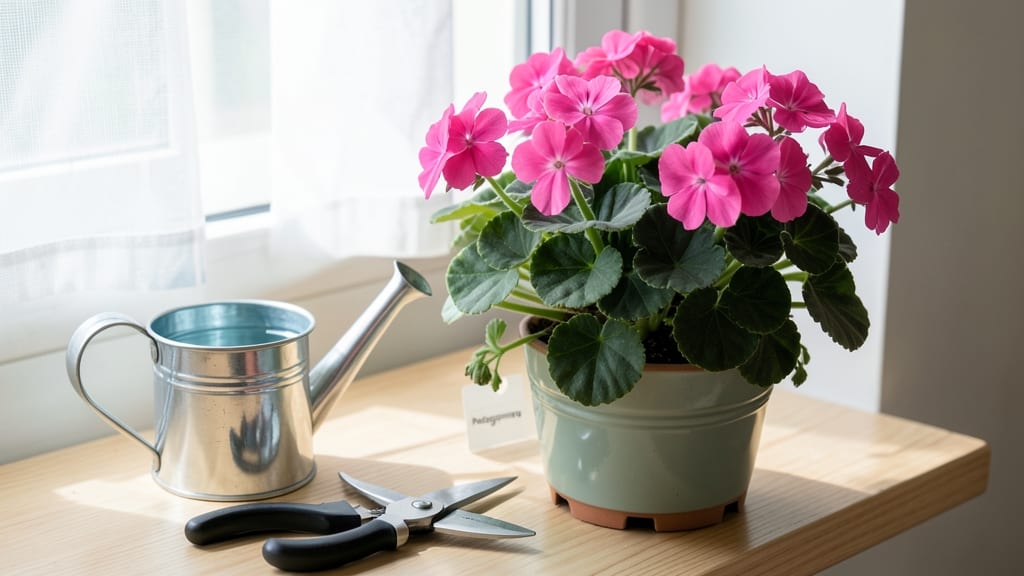
Geranium plant care indoors thrives with the right light and care—even in low-light spots. 🌿 I’ve kept mine blooming for years by adjusting water, soil, and pruning to match their natural needs, not just what looks "right" in a catalog. The key is understanding their subtle signals: droopy leaves mean water, but yellowing ones mean overwatering.
Start with a pot that drains well and soil that mimics their Mediterranean roots—light, airy, and never soggy. Most people overwater, thinking geraniums love moisture, but they actually hate wet feet.
Water when the top inch of soil feels dry, and use a pot with drainage holes to prevent root rot. A sunny windowsill or grow light keeps them happy, but they’ll even tolerate moderate indirect light if you rotate the pot weekly.
Pruning isn’t just about looks—it’s about encouraging more blooms. Snip back leggy stems in early spring, and deadhead faded flowers regularly. With the right care, your geraniums will reward you with bright blooms for months, even in shadier corners of your home.
The secret? Pay attention to what they’re telling you before they protest.
Common mistakes like overwatering or ignoring pests (like spider mites) can derail progress, but geraniums are forgiving if you act fast. A quick wipe-down with soapy water or neem oil keeps them pest-free. Once you master these basics, you’ll have geraniums that outlast store-bought flowers—and look better too.
📚 In This Guide
- What you need
- Instructions
- Tips and common mistakes
- Wrapping up and next steps
What you need
- ● Geranium plant (choose a compact variety like Pelargonium for indoor spaces)
- ● 6- to 8-inch pot with drainage holes (terracotta or ceramic works best)
- ● Well-draining potting mix (cactus/succulent mix or a blend with perlite and peat moss)
- ● Watering can with a narrow spout (to avoid overwatering)
- ○ Humidity tray or pebble tray (optional but helpful for dry indoor air)
- ● Pruning shears (sterilized with rubbing alcohol)
- ● Balanced liquid fertilizer (diluted to half-strength, like 10-10-10)
- ● Grow lights or LED bulb (12-14 hours/day if natural light is limited)
- ● Spray bottle (for misting leaves if humidity is low)
- ● Saucer or tray (to catch excess water and protect surfaces)
- ● A bright spot with at least 4-6 hours of indirect sunlight daily (east or west-facing windows are ideal)
- ● Moderate room temperature (60–75°F / 15–24°C)
- ● Patience! Geraniums may take 2-4 weeks to adjust to indoor conditions.
Step-by-Step instructions for growing geraniums indoors
Here's how to keep your geraniums lush and blooming—even when natural light is limited.
🪴 Step 1: Choose the Right Container and Soil Mix
Geraniums thrive in pots with drainage holes to prevent root rot. I use 6-8 inch terracotta pots because they breathe well and wick away excess moisture. Fill the bottom third with perlite or coarse sand—this ensures water drains freely while keeping roots aerated.
Next, add a well-draining potting mix (avoid garden soil—it compacts and suffocates roots). I blend two parts potting soil with one part perlite for extra airflow. Press the mix lightly into the pot, leaving 1 inch of space at the top for watering. This prevents spills while keeping roots hydrated.
☀️ Step 2: Position for Optimal Light (Even in Low-Light Spaces)
Geraniums need bright, indirect light—at least 4-6 hours daily. Place them near an east-facing window for gentle morning sun, or use a grow light if natural light is scarce. I’ve kept geraniums thriving under LED grow bulbs set 12 inches above the leaves for 12-14 hours daily.
Watch for yellowing leaves—this signals too little light. Rotate the pot quarter-turn weekly to prevent lopsided growth. If leaves stretch toward the light (called "etiolation"), move the plant closer or increase light exposure by 1-2 hours daily.
💧 Step 3: Water Wisely to Prevent Common Pitfalls
Water geraniums when the top inch of soil feels dry—stick your finger in to check. Overwatering is the #1 killer, so I water deeply but infrequently, letting excess drain completely. Use room-temperature water to avoid shocking roots, and empty the saucer after 10 minutes to prevent soggy soil.
In winter, reduce watering to every 7-10 days—geraniums enter dormancy and need less moisture. If leaves droop but the soil is dry, it’s thirsty. If they wilt and the soil is wet, you’ve overdone it. Trim affected leaves to redirect energy to healthy growth.
✂️ Step 4: Prune for Bushier Growth and Longer Blooms
Pinch back new growth tips when stems reach 4-6 inches to encourage branching. This creates a fuller, more compact plant. Use clean, sharp scissors to cut just above a leaf node—avoid tearing stems, which invites disease. I prune every 4-6 weeks during active growth (spring to fall).
Deadhead spent blooms weekly by snipping the stem below the flower head. This prevents seed formation and redirects energy to new blooms. In late summer, give geraniums a harder prune—cut back one-third of the plant to rejuvenate growth before winter. Wear gloves; geranium leaves can irritate skin.
🌿 Step 5: Feed and Refresh for Year-Round Health
Fertilize every 4-6 weeks during spring and summer with a balanced liquid fertilizer (10-10-10 or 20-20-20). I dilute it to half-strength to avoid burning roots. Skip fertilizer in fall and winter—geraniums rest then. Flush the soil monthly with plain water to prevent salt buildup from fertilizers.
Every 2-3 years, repot geraniums into fresh soil and a slightly larger container. This refreshes nutrients and prevents root-bound stress. Gently tease apart tangled roots before replanting. If your geranium outgrows its pot annually, it’s time to upgrade—geraniums reward consistent care with bold blooms and glossy leaves all season.
Tips & tricks for thriving indoor geraniums
Here's what I've learned from years of keeping geraniums blooming indoors—these small details make all the difference. Between us, most indoor plant struggles come from one of three things: light, water, or overcrowded roots.
Light Optimization: If you're supplementing with grow lights, consider using a timer for that 12-14 hours daily recommendation. I use a simple $15 outlet timer to automate it—no more forgetting to turn lights on or off. For yellowing leaves in Step 2, test your light source by holding a piece of paper near the plant. If you can't read the print, the light's too weak. You might need to move closer or upgrade to a brighter bulb.
Soil Science: That two parts potting soil to one part perlite mix in Step 1 isn't just about drainage—it's about oxygen. Roots need to breathe! I've found that adding a handful of worm castings to the mix gives an extra nutrient boost without risking over-fertilization. Just mix it in before planting. And here's a pro move: After repotting, gently press the soil around the edges to eliminate air pockets that can trap moisture.
Pruning Precision: When you're deadheading in Step 4, look for the first set of leaves below the flower stem. That's your cut point—it encourages new growth from strong nodes. I've ruined several geraniums by cutting too close to the stem, which creates entry points for disease. Also, sterilize your scissors with rubbing alcohol between cuts to prevent spreading any potential pathogens from diseased leaves.
Winter Survival: The every 7-10 days winter watering guideline can be tricky. I've found that geraniums in north-facing windows need even less—sometimes every 12-14 days. Test by lifting the pot: If it feels noticeably lighter, it's time to water. And here's a trick I learned: Move your geraniums to the warmest spot in your home during winter (often near windowsills) where indoor heat rises. This mimics their natural dormancy conditions better than cooler rooms.
Pro Tips for Geranium Plant Care Indoors
- Here's what I've learned from years of keeping geraniums blooming indoors—these small details make all the difference.
- Light Optimization: If you're supplementing with grow lights, consider using a timer for that 12-14 hours daily recommendation.
- Soil Science: That two parts potting soil to one part perlite mix in Step 1 isn't just about drainage—it's about oxygen.
Frequently asked questions
Got questions about keeping your geraniums happy indoors? You’re not alone! Here are answers to the most common queries—from light struggles to pest panics—so your plants stay vibrant and blooming.
How much light do indoor geraniums really need?
Geraniums thrive in bright, indirect light (4–6 hours daily). South- or west-facing windows are ideal, but avoid harsh midday sun, which can scorch leaves. If your space is dim, supplement with a grow light 12–14 inches away for 6–8 hours/day. Signs of too little light? Leggy stems and sparse blooms.
Why are my geranium leaves turning yellow?
Yellow leaves usually signal overwatering or poor drainage. Let the top 1–2 inches of soil dry out between waterings, and ensure pots have drainage holes. Brown edges? That’s often dry air or underwatering. Boost humidity with a pebble tray or misting (but avoid soggy soil!).
Are geraniums prone to pests indoors?
Yes! Spider mites and aphids love geraniums. Prevent them with regular inspections (check undersides of leaves) and good airflow. For mild infestations, wipe leaves with neem oil or soapy water. Severe cases? Isolate the plant and treat with insecticidal soap. Pro tip: Ladybugs are natural pest controllers!
How often should I fertilize indoor geraniums?
Feed geraniums every 4–6 weeks during spring/summer with a balanced liquid fertilizer (10-10-10 or 20-20-20). Cut back in fall/winter—they’re dormant! Over-fertilizing burns roots, so always dilute to half-strength. Bonus: Coffee grounds (used, composted) add nutrients naturally!
Can I propagate my indoor geraniums?
Stem cuttings
root easily. Snip a 3–4 inch stem just below a leaf node, remove lower leaves, and dip in rooting hormone (optional). Plant in moist potting mix, cover with a plastic bag to retain humidity, and place in bright, indirect light. Roots form in 2–4 weeks. Pro move: Prune leggy stems—you’ll get free plants and bushier growth!
| Quick Fixes | When to Worry |
|---|---|
| Dropping leaves? Check moisture—too wet or too dry? | Moldy soil or black stems? Repot immediately—root rot is serious. |
| No blooms? Boost light or pinch back leggy stems. | Yellowing and wilting? Pests or disease—isolate and treat. |
Wrapping up and next steps
Caring for geraniums indoors is simpler than you think—with the right balance of light, water, and love, these vibrant plants will reward you with lush foliage and stunning blooms!
Remember, they thrive in bright, indirect light (even low-light spots work with patience), need well-draining soil, and appreciate a little pruning to stay happy. Don’t let setbacks discourage you; even experienced plant parents face challenges, and geraniums are forgiving with consistent care.
Ready to watch your geraniums flourish? Start small—pick one plant, follow these tips, and enjoy the journey! Soon, you’ll be sharing your indoor garden magic with friends (or even expanding your collection). Happy planting! 🌱✨