
Container Gardens
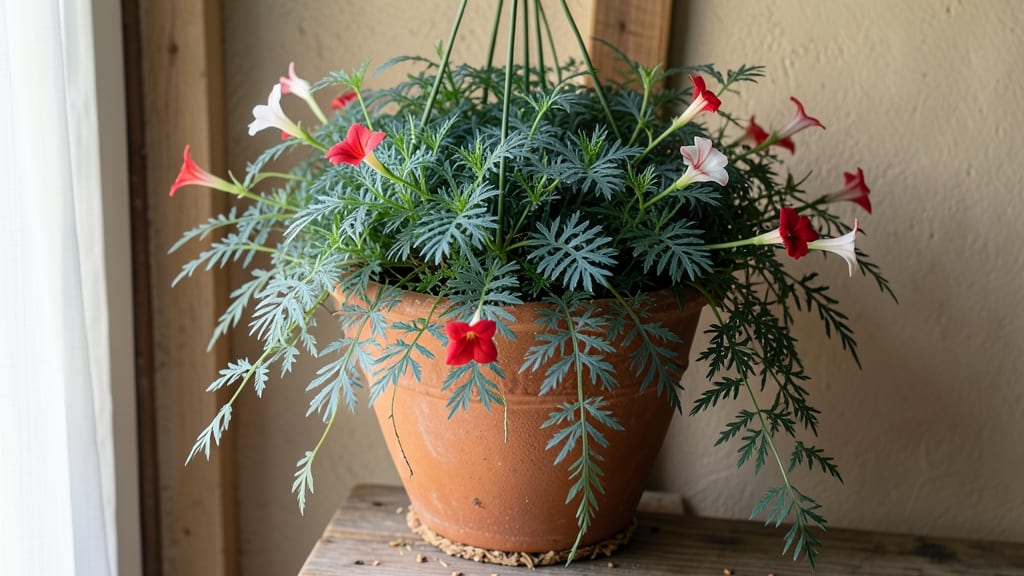
Growing an indoor cypress plant means lush, feathery foliage that thrives year-round with almost no fuss. 🌿 I’ve kept mine happy for years by mastering just three things: light, water, and a little patience—no fancy equipment or green thumbs required.
The key is bright, indirect light—think near a window with sheer curtains. Overwatering is the real enemy; let the top inch of soil dry out before watering again. My plant’s deep green fronds stay vibrant because I stick to this simple rule: soak the soil, then wait.
You’ll notice new growth within weeks, and those iconic feathery leaves will fill out beautifully. The best part? It’s practically pest-proof and forgiving if you slip up—just don’t let it sit in soggy soil.
Perfect for small spaces, offices, or anywhere you want a touch of tropical elegance without the high-maintenance drama. Let’s get yours thriving!
📚 In This Guide
- What you need
- Instructions
- Tips and common mistakes
- Wrapping up and next steps
What you need
- ● Indoor cypress plant (Chamaecyparis pisifera) – Choose a healthy 1-3 gallon container size for beginners.
- ● Well-draining potting mix – 1 bag (1.5–2 cubic feet) of a blend designed for conifers or acid-loving plants (e.g., 50% peat moss, 30% pine bark, 20% perlite).
- ● Pot with drainage holes – A 10–14" diameter container (clay or terracotta preferred for breathability).
- ● Pruning shears – Sharp, clean pair for trimming (sterilize with rubbing alcohol).
- ● Watering can with a narrow spout – For precise moisture control (avoid overhead spraying).
- ○ Humidity tray or pebble tray – Optional but helpful for maintaining moisture levels.
- ● Slow-release fertilizer – 1 tablet or 1 tbsp granular formula (balanced 10-10-10 or acidic 8-3-9).
- ● Misting bottle – For occasional foliar hydration (especially in dry climates).
- ● Grow lights (LED or fluorescent) – If placing in low-light areas (12–14 hours/day).
- ● Plant food (liquid or granular) – For monthly feeding during growing seasons (spring–fall).
- ● Decorative pot saucer – To catch excess water and add style to your setup.
Step-by-step instructions for growing an indoor cypress plant
Here's how I keep my cypress thriving indoors with just a few simple, repeatable steps.
🪴 Step 1: Choose the Right Container and Soil
Cypress plants prefer containers with good drainage—think unglazed clay pots or any pot with drainage holes. I use a 6-8 inch pot for each plant since they don’t like being crowded. The soil should be a mix of well-draining potting mix and perlite or sand (about 20% perlite) to prevent root rot. This balance keeps their roots happy without getting waterlogged.
Fill the pot about 2/3 full with the mix, then tap it gently to settle. The soil should feel light and airy—like a damp sponge, not a wet brick. If you’re repotting an existing plant, choose a container only 1-2 inches wider than the current one. Cypress plants don’t need huge spaces to grow.
🌱 Step 2: Plant and Position for Light
Gently remove the cypress plant from its nursery pot and loosen the roots if they’re tightly bound. Place it in the center of your prepared container, then fill the remaining space with soil, pressing lightly to secure it. Water lightly right after planting to help the soil settle around the roots.
Cypress plants love bright, indirect light—think near a window with filtered sunlight, like an east or north-facing spot. Avoid harsh afternoon sun, which can scorch the delicate needles. If your home has low light, a grow light (placed 12-18 inches away) will keep it thriving. You’ll know the light is right when the plant stays a vibrant green, not yellow or brown.
💧 Step 3: Water and Maintain Humidity
Water your cypress plant when the top 1-2 inches of soil feel dry to the touch. Stick your finger in the soil—if it’s damp, wait a day or two. Cypress plants hate soggy roots, so always use a pot with drainage and empty the saucer after watering. In summer, you might water every 5-7 days, but in winter, every 10-14 days is usually enough.
These plants love humidity! If your home is dry, mist the leaves every few days or place the pot on a tray filled with pebbles and water (just make sure the pot isn’t sitting in water). You’ll see the difference in a few weeks—the needles will stay lush and vibrant instead of turning crispy at the edges.
✂️ Step 4: Prune and Fertilize for Health
Prune your cypress plant in early spring to encourage bushier growth. Use clean, sharp scissors to trim back any leggy stems or brown tips. Cut just above a leaf node (the bump where leaves grow) to keep the shape natural. Don’t worry—cypress plants are forgiving, and even a little pruning will keep them looking neat.
Feed your plant every 4-6 weeks in spring and summer with a balanced liquid fertilizer (like 10-10-10) diluted to half strength. Skip fertilizing in fall and winter when growth slows. Over-fertilizing can burn the roots, so always follow the package instructions. You’ll know it’s happy when new growth appears within a few weeks of fertilizing.
⏰ Step 5: Monitor and Adjust for Year-Round Care
Check your cypress plant weekly for pests like spider mites or scale. Wipe the leaves gently with a damp cloth if you spot dust, which can block light. If pests appear, treat with neem oil or insecticidal soap—just spray the undersides of the leaves where bugs hide.
In winter, keep the plant away from cold drafts or heating vents, which dry out the air. If the tips start browning, it’s usually a sign of low humidity or underwatering. Adjust your care routine until you find the sweet spot—your cypress will reward you with year-round elegance and minimal fuss.
Tips & tricks for perfect indoor cypress plant care
These simple tricks will help your cypress plant stay lush and elegant all year long.
Container and Soil Selection: When choosing a pot, make sure it has drainage holes—this is non-negotiable! I've learned the hard way that skipping this leads to root rot. For the 20% perlite mix, I use a simple ratio: for every 4 cups of potting mix, add 1 cup of perlite. This ensures proper aeration while keeping moisture balanced. If you're repotting, remember the 1-2 inch wider rule—cypress plants don't need much space to thrive.
Light Positioning: The 12-18 inch distance for grow lights is perfect, but here's what I do differently: I rotate my plant every 2-3 weeks to ensure even growth. This prevents the plant from leaning toward one light source. For natural light, I place mine near an east-facing window where it gets morning sun but avoids harsh afternoon rays. You'll notice the difference in just a few weeks—vibrant green needles instead of yellowing tips.
Watering Wisdom: The top 1-2 inches dry test works, but I add a visual cue: if the soil looks like a damp sponge when you squeeze it, it's ready for water. In winter, I reduce watering to every 10-14 days and place the pot on a bed of pebbles with water underneath—this creates natural humidity without overwatering. The pebbles should stay wet, but the pot should never sit in standing water.
Fertilizing Frequency: The every 4-6 weeks rule works well, but I've found that diluting the fertilizer to half strength is crucial. I use a spray bottle to apply it, which helps distribute it evenly and prevents salt buildup. In fall and winter, I completely skip fertilizing—this gives the plant a chance to rest and prevents root burn during its dormant period.
Pro Tips for Indoor Cypress Plant
- These simple tricks will help your cypress plant stay lush and elegant all year long.
- Container and Soil Selection: When choosing a pot, make sure it has drainage holes—this is non-negotiable!
- Light Positioning: The 12-18 inch distance for grow lights is perfect, but here's what I do differently: I rotate my plant every 2-3 weeks to ensure even growth.
Frequently asked questions
Got questions about keeping your indoor cypress plant thriving? You’re not alone! Here are answers to the most common queries to help you care for this lush, low-maintenance beauty with confidence.
How often should I water my indoor cypress plant?
Water your cypress plant only when the top 1–2 inches of soil feel dry—usually every 1–2 weeks, depending on humidity and light. Overwatering is the #1 killer! Use well-draining soil and a pot with drainage holes to prevent soggy roots. Pro tip: Stick your finger in the soil before watering to avoid guesswork!
Why are the tips of my cypress plant turning brown?
Brown tips often signal low humidity or fluoride buildup from tap water. Boost humidity with a pebble tray or humidifier, and switch to filtered or distilled water. Avoid placing it near heaters or AC vents, which dry out the air. Bonus: A light trim with clean scissors can remove dead tips and encourage new growth!
Can I keep an indoor cypress plant in a small apartment with low light?
Yes! While cypress plants prefer bright, indirect light, they tolerate low-light conditions—just expect slower growth. Place it near a north- or east-facing window, or supplement with a grow light (12–14 hours/day). Avoid direct sunlight, which can scorch the delicate foliage. Alternative: Rotate the pot occasionally for even growth!
How do I prune my indoor cypress plant to encourage bushier growth?
Prune in spring or early summer by cutting back leggy stems just above a leaf node with sterilized scissors. This encourages branching and a fuller shape. Remove any yellow or brown leaves immediately to redirect energy. Warning: Avoid heavy pruning in winter—it stresses the plant during its dormant phase!
What pests should I watch for, and how do I treat them?
Cypress plants are pest-resistant, but watch for spider mites (tiny webs) or scale insects (brown bumps). Treat infestations by wiping leaves with a neem oil solution (1 tsp neem oil + 1 quart water) or rinsing with soapy water. Prevention tip: Isolate new plants for a week to spot hitchhiking pests early!
Wrapping up and next steps
Bringing an indoor cypress plant into your home is a fantastic way to add a touch of year-round greenery with minimal effort! 🌿 Its resilience, air-purifying benefits, and striking appearance make it a standout choice for any container garden.
Whether you’re a seasoned plant parent or just starting out, this low-maintenance beauty is sure to thrive—and so will your green thumb.
Ready to elevate your space? Start by selecting your favorite variety, gathering the essentials, and giving your cypress plant the love it deserves. Before you know it, you’ll be basking in the satisfaction of a lush, thriving indoor oasis! 🌟