
Container Gardens
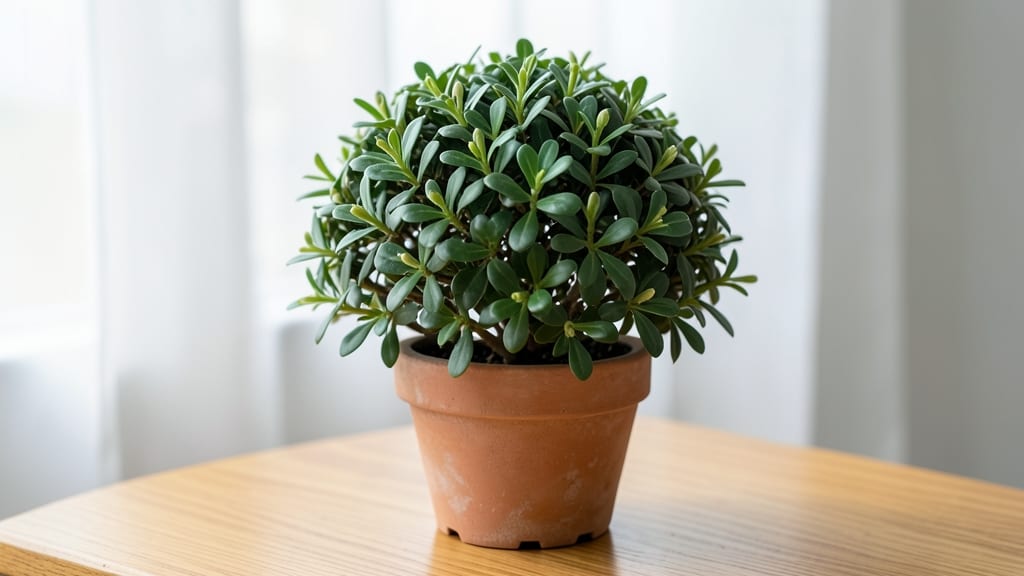
Bringing the boxwood indoor plant into your home turns your space into a verdant, evergreen retreat that thrives year-round. 🌿 These elegant evergreens love bright, indirect light—east or west windows are ideal, keeping their leaves lush without risking sunburn.
I’ve kept mine thriving for years by replicating their natural habitat indoors, and the trick is all in the balance: moisture, airflow, and gentle pruning to maintain that polished, sculpted look.
The foundation starts with well-draining soil and a pot that lets excess water escape—boxwoods despise soggy roots. Water when the top inch of soil feels dry, and keep humidity in check with a pebble tray or occasional misting, especially when indoor air turns dry in winter.
My plants stay vibrant because I treat them like the finicky divas they are: consistent care, not neglect.
Pruning is where the magic happens—shape them in early spring or after flowering to encourage thick, bushy growth. A sharp pair of shears and a light touch prevent those unsightly gaps.
Yellow leaves? Usually overwatering or poor drainage. Stunted growth? Check for pests like spider mites and treat with neem oil if needed.
With these basics down, your boxwood will reward you with glossy, deep green foliage that stays refined all year. The best part? No seasonal dieback—just steady, reliable growth that adds sophistication to any room. Ready to give it a try?
📚 In This Guide
- What you need
- Instructions
- Tips and common mistakes
- Wrapping up and next steps
What you need
- ● Boxwood plant(s): 1–3 dwarf varieties (e.g., Buxus sempervirens ‘Suffruticosa’ or Buxus microphylla ‘Faith’) for indoor growing (potted, 6–12 inches tall).
- ● Pro tip: 💡 Choose healthy plants with vibrant green leaves and no signs of pests.
- ● Well-draining potting mix: 1–2 gallons of a blend like 50% peat/coir + 30% perlite + 20% sand (or a pre-mixed acidic, well-aerated formula for boxwood).
- ● Container: 1–2 pots with drainage holes (12–16 inches in diameter for mature plants; 6–8 inches for small varieties). Terracotta or ceramic works best.
- ● Pruning tools: 1 pair of sharp, bypass pruners (sterilized with rubbing alcohol).
- ● 1 small hand saw (for thick stems, if needed).
- ● Lighting: 1–2 grow lights (LED, 10,000–15,000K color spectrum) for low-light spaces (12–16 hours/day).
- ○ Optional: A south- or west-facing window with indirect light.
- ● Watering supplies: 1 spray bottle (for misting).
- ● 1 watering can with a rose attachment (for even moisture).
- ● Fertilizer: 1 bottle of balanced liquid fertilizer (10-10-10 or 20-20-20, diluted to half-strength).
- ○ Decorative elements (optional): 1–2 pebbles or decorative stones for drainage layer.
- ● 1 mulch (orchid bark or pine needles) to retain moisture.
- ● 🌡️ Temperature control: Keep your space between 60–75°F (15–24°C)—boxwoods hate drafts!
- ● 💧 Humidity awareness: Aim for 40–60% humidity (use a humidifier if your home is dry).
- ● ⏳ Patience: Boxwoods grow slowly—prune lightly at first to shape without stressing the plant.
Instructions for growing and maintaining boxwood indoors
Here's how to keep your boxwood thriving year-round with minimal fuss.
🪴 Step 1: Select the Right Container and Soil
Choose a pot with drainage holes—boxwood roots rot quickly when waterlogged. I like 12-14 inch diameter containers for each plant, giving roots room to spread without becoming root-bound. Terra cotta works best because it breathes and prevents soggy soil.
Use a well-draining potting mix—never garden soil. I blend one part perlite or pumice with two parts premium potting mix to improve aeration. Fill the pot to 1 inch below the rim, leaving space for watering. Tap the container gently to settle the mix without compacting it.
☀️ Step 2: Position for Optimal Light
Boxwoods need bright, indirect light—think east or west-facing windows. A south window works too, but plants will scorch if exposed to direct afternoon sun. You'll notice leaves yellowing or browning at the edges if light is too harsh.
If natural light is insufficient, supplement with a grow light placed 12-18 inches away. Keep lights on for 12-14 hours daily to mimic natural daylight. Rotate the pot quarter-turn weekly so growth stays even—you'll see stems leaning toward the light if left stationary.
💧 Step 3: Water Consistently Without Overdoing It
Water when the top 1-2 inches of soil feel dry to the touch. Stick your finger in—if it comes out clean, it's time. I water deeply until water runs out the drainage hole, then empty the saucer to prevent root rot. Overwatering is the #1 killer of indoor boxwoods.
Mist the leaves 2-3 times weekly in dry climates to mimic humidity. You'll know moisture is right when leaves stay glossy but not dripping. Reduce watering in winter when growth slows—water every 7-10 days instead of weekly.
✂️ Step 4: Prune for Shape and Health
Prune twice yearly—once after spring growth and again in early summer. Use clean, sharp shears to cut just above a leaf node at a 45-degree angle. This encourages bushier growth. I shape mine into rounded mounds by trimming back leggy stems and filling gaps.
Remove any yellow or brown leaves immediately—they sap energy. After pruning, fertilize lightly with a balanced 10-10-10 formula to support new growth. Avoid heavy pruning in fall or winter, as the plant needs energy to recover.
🌿 Step 5: Monitor for Pests and Adjust Care
Check leaves weekly for spider mites or aphids—common indoor pests. Wipe leaves with a neem oil solution (1 tsp per quart of water) if you spot webbing or sticky residue. I treat my plants every 2 months as prevention, even if pests aren't visible.
If new growth looks pale or stunted, it's a sign of low light or nutrient deficiency. Move the plant closer to a window or switch to a low-light-tolerant fertilizer for a few weeks. Boxwoods are forgiving, but they'll tell you when something's off.
Tips & tricks for perfect boxwood indoor plant care
A few simple tricks can transform your boxwood from a struggling houseplant to a thriving centerpiece year after year.
Container and Soil Secrets: When selecting your 12-14 inch container, look for one that's slightly heavier—this prevents tipping during watering. I've found that adding a layer of horticultural charcoal (about 1/4 inch thick) at the bottom of the container before the soil mix helps prevent bacterial buildup. This extra step isn't mentioned in the instructions but has kept my boxwoods healthier for years. The terra cotta recommendation is spot-on—just be sure to soak an empty pot in water overnight before first use to remove any manufacturing chemicals.
Light Mastery: The 12-14 hour daily light requirement is crucial, but here's a visual trick: if you can read a book comfortably in the same spot as your boxwood, it's getting enough indirect light. For grow lights, I've found LED bulbs with a 5000-6500K color temperature work better than standard white bulbs—they mimic natural sunlight more closely. And that quarter-turn weekly rotation? Set a reminder in your phone for this—it's easy to forget, but it makes a huge difference in keeping your plant symmetrical.
Watering Wisdom: The finger test for soil dryness is perfect, but here's what I do differently: I use a wooden chopstick instead of my finger to check moisture. It's cleaner and gives me a more precise reading. Also, when winter arrives, I switch to a moisture meter to avoid overwatering—the soil stays damp longer in cooler months. And that saucer tip? Genius—just remember to empty it within 10 minutes of watering to prevent root suffocation.
Pruning Pro Tips: For that 45-degree pruning angle, I use a small protractor marked on my shears to ensure consistency. The key is to always cut just above a leaf node—this is where new growth emerges. I've found that pruning in the morning gives plants time to recover before evening moisture settles in. And that 10-10-10 fertilizer? Use it sparingly—half the recommended dose is often enough for indoor boxwoods, which are naturally low-maintenance.
Pro Tips for Boxwood Indoor Plant
- A few simple tricks can transform your boxwood from a struggling houseplant to a thriving centerpiece year after year.
- Container and Soil Secrets: When selecting your 12-14 inch container, look for one that's slightly heavier—this prevents tipping during watering.
- Light Mastery: The 12-14 hour daily light requirement is crucial, but here's a visual trick: if you can read a book comfortably in the same spot as your boxwood, it's getting enough indirect light.
Frequently asked questions
Got questions about keeping your boxwood indoor plant thriving? You’re in the right place! Here are answers to the most common queries—from pruning puzzles to light struggles—so you can enjoy lush, year-round greenery with ease.
How often should I prune my boxwood indoor plant?
Prune your boxwood lightly every 4–6 weeks to maintain shape and encourage bushiness. For formal hedges, trim after new growth appears (spring/summer). Avoid heavy pruning in winter—stick to 1/3 of growth max per year to prevent stress. Use sharp shears for clean cuts!
Can boxwoods survive low-light conditions?
Boxwoods tolerate low to bright indirect light, but they’ll thrive best with 4–6 hours of filtered sunlight daily. In dim spots, expect slower growth and leggy stems. If leaves yellow, move it closer to a north- or east-facing window. A grow light (12+ hours/day) can help in dark corners!
Why are my boxwood leaves turning brown or yellow?
Brown edges? Underwatering or low humidity are likely culprits. Yellow leaves often signal overwatering or poor drainage. Check soil moisture (top 1–2 inches should dry out), ensure pots have drainage holes, and mist leaves occasionally. Fungal issues (like powdery mildew) can also cause browning—prune affected areas and improve airflow.
What’s the best alternative if boxwoods are hard to find?
If boxwoods are scarce, try these low-maintenance indoor evergreens:
- Dwarf English Ivy: Thrives in low light, trailing or bushy varieties.
- Schefflera (Umbrella Plant): Hardy, glossy leaves, and tolerates pruning.
- Dracaena Marginata: Dramatic, upright growth with minimal care.
- Miniature Gardenia: Fragrant and compact (needs slightly more light).
Do indoor boxwoods need winter care adjustments?
Yes! Reduce watering in winter (let soil dry slightly more between drinks) and avoid cold drafts near windows. If leaves look dull, wipe them gently with a damp cloth to remove dust. A humidifier nearby or pebble tray can prevent dryness. No fertilizer needed—wait until spring to resume feeding!
Wrapping up and next steps
Bringing a boxwood indoor plant into your home isn’t just about adding greenery—it’s about cultivating timeless elegance with minimal effort. With the right light mastery and pruning techniques, you’ll enjoy lush, manicured foliage year-round, perfect for containers or as a statement piece. 🌿✨
Ready to transform your space? Start small—grab your shears, pick a sunny spot, and give your boxwood the care it deserves. Before you know it, you’ll have a thriving, polished plant that’s the envy of every room!