
Container Gardens
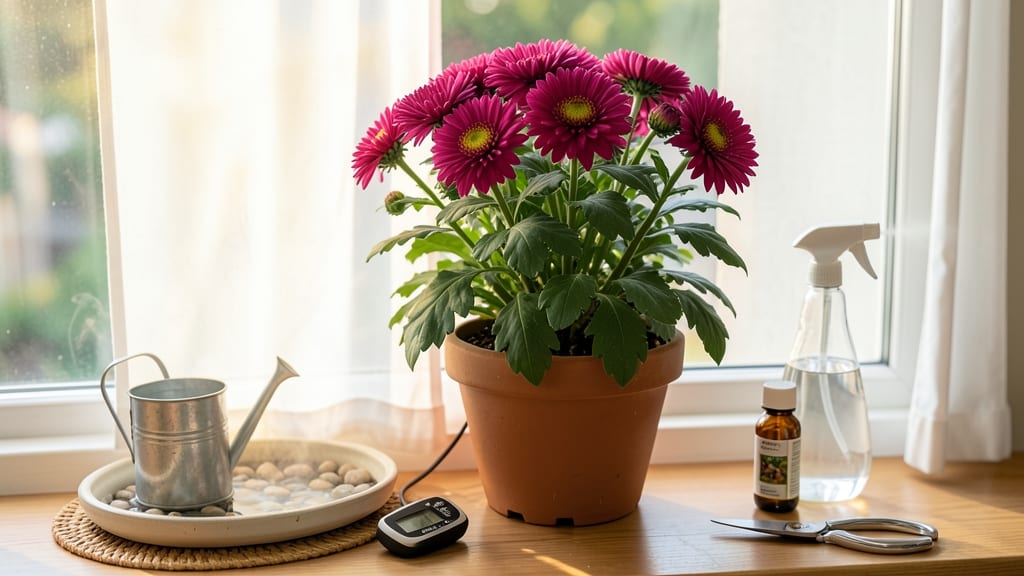
Keeping mums alive indoors feels impossible—until you mimic their outdoor needs. 🌱 The secret isn’t complicated: bright light, cool nights, and just the right amount of water. My indoor mums thrive year-round with these simple adjustments, and yours can too.
Most people overwater or crowd plants, which kills mums fast. Instead, use a humidity tray, keep them in bright indirect light (or under a grow bulb), and water only when the top inch of soil feels dry.
A cool spot at night—like a windowsill away from heat vents—makes all the difference.
You’ll see vibrant blooms lasting 6-8 weeks with proper care, and the fragrance fills the room like a fall breeze. The key is patience: mums need time to adjust to indoor conditions, but once they do, they reward you with lush, colorful growth all winter.
Works for any variety—spider, cushion, or pompom mums—and fits easily on shelves, tables, or sunny windowsills. Let’s bring that outdoor magic inside without the guesswork.
📚 In This Guide
- What you need
- Instructions
- Tips and common mistakes
- Wrapping up and next steps
What you need
- ● Mums (Chrysanthemum morifolium): 1–3 healthy blooming plants (choose varieties like ‘Dynasity’ or ‘Bright Lights’ for indoor success).
- ● Well-draining potting mix: 1–2 gallons (look for a blend labeled for perennials or container plants).
- ● Container: 1–2 pots with drainage holes (6–8 inches in diameter for 1 plant; larger for multiple). Terracotta or ceramic works best.
- ● Pebbles or gravel: Small handful (for drainage layer at the pot’s bottom).
- ● Slow-release fertilizer: 1 packet (14-14-14 or similar, for blooming plants).
- ● Watering can: With a narrow spout (to avoid overwatering).
- ● Pruning shears: Small, sharp pair (for trimming dead blooms or leggy stems).
- ○ Grow lights (optional but recommended): 1–2 full-spectrum LED grow lights (10–12 watts per plant; 12–18 inches above foliage).
- ● OR 1 south-facing window (if natural light is abundant).
- ○ Humidity tray (optional): Shallow tray + pebbles (to boost moisture in dry air).
- ○ Thermometer/hygrometer (optional): To monitor ideal temps (60–70°F) and humidity (40–60%).
- ● Patience & love! 💖 Mums are divas—they need consistency but reward you with months of blooms.
Step-by-step instructions for keeping mums alive indoors
Here’s my go-to method for keeping these fragrant beauties thriving all winter—no green thumb required.
🪴 Step 1: Select Healthy Mums and Prepare the Right Container
Start with well-established mums from a trusted nursery or florist. Look for plants with firm stems and full, vibrant blooms—wilting leaves or brown edges mean the plant is already stressed. Choose a container with drainage holes and at least 6-8 inches deep to accommodate roots.
I like to use a pot that’s 2-3 inches larger in diameter than the plant’s root ball. This gives roots room to spread without becoming root-bound too quickly. Fill the bottom with 1-2 inches of pebbles or broken pottery to improve drainage—mums hate soggy roots, which lead to rot.
🌱 Step 2: Plant and Water for Immediate Stability
Gently remove the mum from its original container and loosen the roots if they’re tightly bound. Place it in the new pot and fill the gaps with well-draining potting mix (avoid garden soil—it compacts and holds too much moisture). Press the soil lightly around the base to secure the plant but don’t pack it down.
Water deeply until water runs out the drainage holes, then let it drain completely. You’ll know it’s right when the top inch of soil feels damp but not wet. Overwatering now is the fastest way to kill your mum—it’s sensitive to root rot. Place the pot in a saucer to catch excess water, but empty it after 10 minutes to prevent the roots from sitting in moisture.
☀️ Step 3: Position for Optimal Light and Temperature
Mums need bright, indirect light for at least 6 hours daily. A south- or east-facing window is ideal, but avoid harsh afternoon sun, which can scorch leaves. If your space is dim, supplement with a grow light kept 12-18 inches away—mums will stretch toward light if they’re not getting enough.
Keep temperatures between 60-70°F during the day and no lower than 50°F at night. Drafts from windows or vents can shock the plant, causing buds to drop. If your home runs cooler, group mums together to create a microclimate that retains warmth.
💧 Step 4: Water and Fertilize for Long-Term Health
Water when the top inch of soil feels dry—stick your finger in to check. Mums prefer slightly dry soil over soggy conditions, so err on the side of underwatering. Use room-temperature water to avoid shocking the roots, and water at the base to keep foliage dry (wet leaves encourage fungal issues).
Feed every 4-6 weeks with a balanced, water-soluble fertilizer (like 10-10-10) diluted to half strength. This keeps blooms vibrant and encourages new growth. Stop fertilizing in late fall if you’re prepping for dormancy—too much food can stress the plant as it adjusts to seasonal changes.
✂️ Step 5: Prune and Maintain for Next Season
Once blooming season ends, trim back 1/3 of the plant to encourage bushier growth next year. Use clean, sharp scissors to cut just above a leaf node. Remove any yellow or brown leaves immediately—they drain energy and invite pests. If your mum looks leggy, a light pruning can help it regrow compact and full.
In late winter, check for signs of stress like bud drop or wilting. If the plant looks tired, give it a 2-week rest period with less water and no fertilizer. This mimics its natural cycle and sets it up for another round of blooms. With the right care, your mum can live indoors for years, gracing your space with fragrance and color.
Tips & tricks for perfect indoor mum care
Keeping mums thriving indoors isn't rocket science—just a few smart tricks to avoid common pitfalls. Here's what I've learned after keeping these fragrant beauties alive for years.
Light Hack: If your space lacks natural light, rotate your mum's pot quarter-turn daily so all sides get even exposure. This prevents lopsided growth and ensures those vibrant blooms stay symmetrical. The 6-hour daily light requirement is non-negotiable—supplement with a grow light if needed, but keep it 12-18 inches away to avoid leaf burn.
Temperature Trick: The 60-70°F daytime range is ideal, but watch for drafts from heating vents or AC units. I place my mums on a stable surface away from windows at night to prevent temperature swings below 50°F, which can cause bud drop. A simple thermometer near your plants helps track conditions.
Watering Wisdom: That 10-minute drainage rule after watering is crucial—empty saucers prevent root rot. I test soil moisture by sticking my finger in: if the top inch feels dry, it's time to water. Overwatering is the #1 killer of indoor mums, so when in doubt, wait another day.
Fertilizer Timing: The 4-6 week feeding schedule works perfectly, but I always dilute that 10-10-10 fertilizer to half strength. Too much food stresses mums, especially in fall when they need to prepare for dormancy. Stop fertilizing completely in late fall to let them rest naturally.
Pro Tips for Keep Mums Alive Indoors
- Keeping mums thriving indoors isn't rocket science—just a few smart tricks to avoid common pitfalls.
- Light Hack: If your space lacks natural light, rotate your mum's pot quarter-turn daily so all sides get even exposure.
- Temperature Trick: The 60-70°F daytime range is ideal, but watch for drafts from heating vents or AC units.
Frequently asked questions
Got questions about keeping your Chrysanthemum morifolium (aka mum) plants thriving indoors? You’re not alone! Here are some of the most common concerns—and straightforward answers to keep your fragrant blooms happy year-round.
How often should I water mums indoors?
Water your mums only when the top 1–2 inches of soil feel dry—usually every 5–7 days, depending on humidity. Overwatering is the #1 killer! Use a well-draining pot and saucer to prevent soggy roots. Pro tip: Stick your finger in the soil to test moisture—if it’s damp, wait!
Can I keep mums alive indoors for more than one season?
Yes! With the right care, mums can rebloom indoors for years. Prune spent blooms, fertilize lightly every 4–6 weeks in spring/summer, and give them a cool, dark rest period (like a basement) in winter. Just avoid drafts or sudden temperature swings!
What if my mums aren’t getting enough light?
Mums crave bright, indirect light (6+ hours daily). If leaves stretch or pale, move them to a south- or west-facing window or supplement with a grow light 12–14 hours/day. Yellowing leaves? They might be getting too much direct sun—adjust with sheer curtains.
Are there low-maintenance mum alternatives for indoors?
If mums seem finicky, try spider mums (Chrysanthemum leucanthemum) or gerbera daisies—they tolerate indoor conditions better! For fragrance, jasmine or African violets are easier but may not bloom as long. Just ensure good airflow to prevent pests!
Why are my mum leaves turning yellow or brown?
Yellow leaves often mean overwatering or poor drainage, while brown edges signal low humidity or fluoride in tap water (use filtered water if needed). Check for pests like aphids or spider mites—spray with neem oil if you spot them. Fix it fast: Trim damaged leaves and adjust care!
Wrapping up and next steps
Keeping your mums alive indoors is totally doable with the right care—just a little light, love, and consistency! Remember, bright indirect light, proper watering, and occasional pruning are your best friends for long-lasting blooms.
Don’t let winter dull their charm; with these simple hacks, your mums will thrive year-round and fill your space with cheerful fragrance.
Now that you’re armed with the know-how, pick a sunny spot and give it a try! Start with one pot and watch your indoor garden flourish—your future fragrant sanctuary awaits. 🌿✨