
Container Gardens
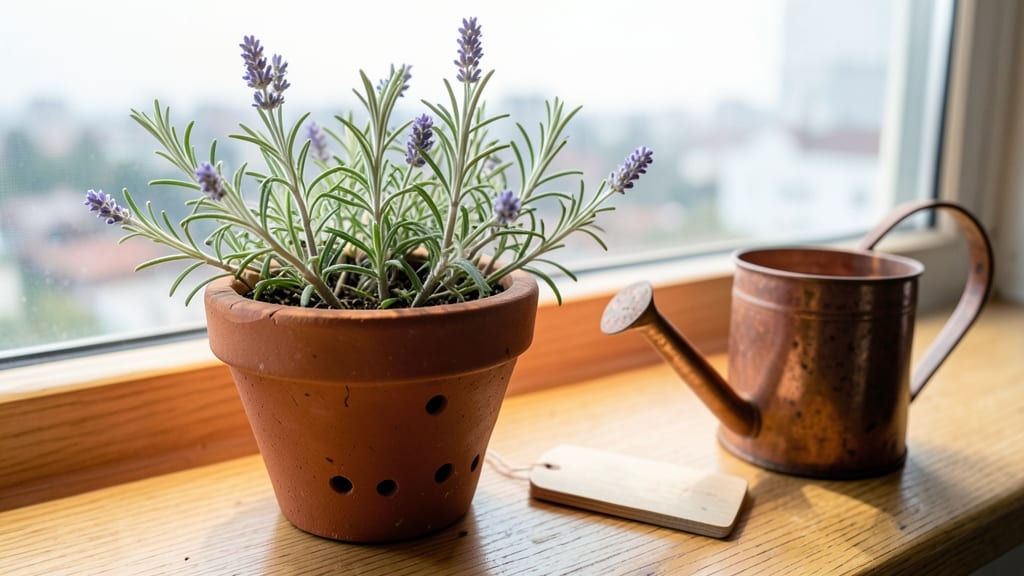
Keeping rosemary alive indoors comes down to three things: bright light, drainage, and patience. 🌿 I’ve killed more rosemary plants than I’d like to admit—usually because I treated them like houseplants instead of Mediterranean shrubs. The secret? Mimicking their sunny, dry native habitat.
Rosemary thrives in south-facing windows or under grow lights for 6–8 hours daily. Use a terracotta pot (it breathes moisture) and cactus/succulent mix—never rich garden soil. Water only when the top inch feels dry, and never let it sit in saucers. Overwatering is the #1 killer.
By month three, you’ll have a woody, fragrant bush that smells like a Tuscan hillside. Prune sparingly in spring to encourage bushiness, and watch for yellowing leaves—usually a sign of overwatering or root rot. A quick fix? Trim the damaged stems and adjust your watering.
This works for herb gardens, kitchen windowsills, or even sunny offices. The key is consistency—rosemary’s tough once you get its needs right. Let’s revive that sad little branch you’ve been nursing along.
📚 In This Guide
- What you need
- Instructions
- Tips and common mistakes
- Wrapping up and next steps
What you need
- ● Rosemary plant: A healthy, potted rosemary (preferably Rosmarinus officinalis) from a nursery or garden center. Look for one with woody stems and vibrant green leaves.
- ● Pot: A container with drainage holes (5–7 inches in diameter) and a saucer to catch excess water. Terracotta or ceramic pots work best for airflow.
- ● Well-draining potting mix: A blend of cactus/succulent soil (60%) and perlite or coarse sand (40%) to prevent root rot. Avoid heavy garden soil!
- ● Grow lights (or sunny window): Option 1 (Natural Light): A south-facing window with 6+ hours of direct sunlight daily.
- ● Option 2 (Artificial Light): A full-spectrum LED grow light (12–16 inches above the plant) for 12–14 hours/day.
- ● Watering can or spray bottle: With a narrow spout to avoid disturbing the soil.
- ● Pruning shears: Sharp, sterilized shears to trim dead or overgrown stems.
- ● Humidity tray: A shallow tray with pebbles and water to boost air moisture (especially in dry climates).
- ● Fertilizer: A balanced liquid fertilizer (10-10-10) or organic worm castings (diluted to half-strength, applied every 4–6 weeks).
- ● Self-watering pot: Reduces overwatering risks if you’re forgetful!
- ● Support stake: For tall varieties (like Rosmarinus officinalis ‘Tuscan Blue’) to prevent flopping.
Step-by-Step instructions for keeping rosemary alive indoors
Here's how I've kept my rosemary thriving for years—no green thumb required.
🪴 Step 1: Choose the Right Container and Drainage
Rosemary despises soggy roots, so start with a pot that has multiple drainage holes—at least three. I use unglazed terra cotta because it breathes and helps prevent root rot. The container should be at least 6 inches deep and wide enough to accommodate the plant's mature size (about 12-14 inches for a single rosemary plant). If you're growing multiple stems, space them 8-10 inches apart to avoid competition.
Place a layer of pebbles or broken pottery at the bottom of the pot before adding soil. This creates an air gap that prevents water from pooling at the roots. I like to use 1-2 inches of gravel—just enough to ensure water drains freely without clogging the holes.
☀️ Step 2: Position for Maximum Light Exposure
Rosemary needs bright, direct sunlight for at least 6-8 hours daily—this is non-negotiable. Place your plant near a south- or west-facing window where it can bask in the strongest light. If your windows are north-facing or filtered, supplement with a grow light positioned 4-6 inches above the plant for 12-14 hours per day. You’ll know the light is sufficient when the leaves stay deep green and compact, not stretching or yellowing.
Rotate the pot a quarter turn weekly so the plant grows evenly toward the light. I’ve seen rosemary stems grow lopsided and leggy when left in one spot—this simple trick keeps them bushy and healthy. If you notice the stems bending toward the light, it’s a sign you need to move the plant closer or add a stronger light source.
💧 Step 3: Water Sparingly and Only When Necessary
Overwatering is the #1 killer of indoor rosemary. Stick your finger 1-2 inches into the soil—if it feels dry to the touch, it’s time to water. Water thoroughly until it drains freely from the bottom, then empty the saucer to prevent the roots from sitting in water. I water my rosemary every 7-10 days, but adjust based on your home’s humidity and temperature. In winter, when the air is dry, you might water every 2 weeks—the plant will tell you when it’s thirsty by drooping slightly.
Mist the leaves occasionally to mimic humidity, but avoid wetting the foliage too often—this can lead to fungal issues. Instead of misting, I place a humidifier nearby or set the pot on a tray of pebbles and water (just make sure the pot isn’t sitting directly in the water). The goal is to keep the air around the plant lightly moist, not soggy.
✂️ Step 4: Prune Regularly to Encourage Bushy Growth
Pruning isn’t just about shaping—it’s how you keep rosemary healthy and productive. Use clean, sharp scissors to trim back 1/3 of the plant’s length in early spring. Cut just above a set of leaves where new growth will emerge. This encourages the plant to branch out instead of growing tall and leggy. I prune again in late summer to maintain shape and remove any woody or dead stems.
You can also harvest sprigs regularly—this stimulates new growth. Pinch off the top set of leaves or cut a few stems just above a leaf node. Use these sprigs in cooking or dry them for later. Just don’t take more than 1/3 of the plant at once, or you’ll stress it out. After pruning, give the plant a light fertilizer (like a balanced 10-10-10) to support new growth.
🌿 Step 5: Watch for Signs of Stress and Adjust Care
Yellowing leaves usually mean overwatering or poor drainage. If you see this, let the soil dry out completely before watering again. Brown, crispy leaves often signal underwatering or low humidity—increase misting or move the plant to a more humid spot. If the leaves drop easily when touched, it’s a sign of root rot, which means you’ve been overwatering. In this case, trim the affected roots, repot in fresh soil, and cut back on watering.
Pests like spider mites or aphids can also stress rosemary. Wipe leaves down with a soapy water solution (1 tsp mild soap per quart of water) if you spot tiny webs or bugs. I’ve found that a neem oil spray applied every 2 weeks during growing season keeps pests at bay without harming the plant. Keep an eye out for white, powdery spots—this could be powdery mildew, which thrives in humid conditions. Improve airflow by spacing plants properly and avoiding overhead watering.
Tips & tricks for keeping rosemary thriving indoors
Here's what nobody tells you about keeping rosemary alive beyond the basic steps—these tricks make all the difference.
Light Exposure is Non-Negotiable: The 6-8 hours of direct sunlight in Step 2 is critical, but here's the secret: rosemary actually needs more light than most herbs. If you notice the leaves stretching toward the light (a condition called etiolation), move the plant closer to the window or switch to a stronger grow light. I've seen rosemary plants that looked healthy but produced weak, flavorless leaves—they weren't getting enough light. For winter months when daylight is shorter, consider supplementing with a grow light for those extra 4-6 inches above the plant during the 12-14 hours mentioned in Step 2. This mimics summer sunlight and keeps your rosemary robust.
Drainage is Everything: In Step 1, the instructions mention using unglazed terra cotta, but here's what I learned the hard way: even with drainage holes, some pots can still trap moisture. Test your pot by filling it with water—if it drains completely within 5 minutes, you're good to go. If not, add another layer of pebbles or consider upgrading to a pot with larger drainage holes. I've repotted rosemary from regular ceramic pots to terra cotta after noticing yellowing leaves, and the difference was immediate. The key is preventing that dreaded root rot that can kill your plant in weeks.
Watering Wisdom: The finger test in Step 3 is perfect, but here's the follow-up: rosemary's water needs change dramatically with seasons. In summer, you might water every 7 days, but in winter, that same plant might only need water every 14 days. Confession: I skipped this adjustment for years and wondered why my rosemary kept struggling. Pay attention to the plant's signals—drooping leaves mean it's thirsty, but crispy edges mean you've overdone it. And here's a pro move: always water in the morning. This gives excess moisture time to evaporate before nightfall, reducing the risk of fungal issues.
Pruning Pays Off: When you trim back 1/3 of the plant in Step 4, don't just cut randomly. Look for the healthiest stems with multiple leaf nodes. Cut just above a set of leaves where you want new growth to emerge. I've seen people prune too close to the base, which can damage the plant. Also, save those pruned sprigs! Bundle them together, hang upside down in a dry, dark place, and they'll dry beautifully for winter cooking. This simple step turns pruning from a chore into a resource.
Pro Tips for Keep Rosemary Alive Indoors
- Here's what nobody tells you about keeping rosemary alive beyond the basic steps—these tricks make all the difference.
- Light Exposure is Non-Negotiable: The 6-8 hours of direct sunlight in Step 2 is critical, but here's the secret: rose...
- Drainage is Everything: In Step 1, the instructions mention using unglazed terra cotta, but here's what I learned the...
Frequently asked questions
Got questions about keeping rosemary thriving indoors?
Here are answers to the most common concerns—so you can enjoy fresh, fragrant rosemary all year long without the guesswork!
How often should I water my indoor rosemary?
Water your rosemary only when the top 1-2 inches of soil feel completely dry—usually every 1-2 weeks. Overwatering is the #1 killer of indoor rosemary! Use a well-draining pot and let excess water drain away to prevent soggy roots. Pro tip: Stick your finger in the soil to check moisture—if it’s damp, wait a few more days!
Why is my rosemary turning brown or crispy?
Brown or crispy leaves usually mean too much sunlight (leaf scorch) or underwatering. Move your plant to a spot with bright, indirect light (like a south-facing window) and adjust your watering schedule. If the damage is severe, trim the affected stems to encourage new growth. Remember: Rosemary loves dry air—mist sparingly!
Can I keep rosemary alive indoors year-round, or does it need a break?
Rosemary is perennial and can thrive indoors year-round if given the right care! However, it may go dormant in winter if light levels drop. Boost its energy with a grow light (12-14 hours/day) or move it to a brighter spot. Prune lightly in spring to encourage bushier growth. Fun fact: Indoor rosemary can live for years with proper care!
What’s the best alternative if rosemary keeps dying indoors?
If rosemary proves too finicky, try these low-maintenance indoor herbs:
Tip: Start with a small container to test your indoor gardening skills!
How long does it take for indoor rosemary to recover from neglect?
With proper care, rosemary can bounce back in 4-8 weeks! Focus on:
- Repotting in fresh, well-draining soil.
- Moving to a sunny spot (or under grow lights).
- Watering only when dry.
- Trimming dead stems to redirect energy.
Wrapping up and next steps
Keeping rosemary thriving indoors is all about light, balance, and a little patience—and you’ve got this! 🌿 With the right 3 light tricks, proper watering, and a cozy spot, your fragrant herb can flourish year-round.
Remember: bright indirect light, well-draining soil, and occasional pruning are your secret weapons.
Now that you’re armed with the know-how, grab that rosemary plant and give it the love it deserves! Next, why not expand your indoor garden with other herbs like thyme or basil? Your kitchen—and your green thumb—will thank you! 🌱