
Container Gardens
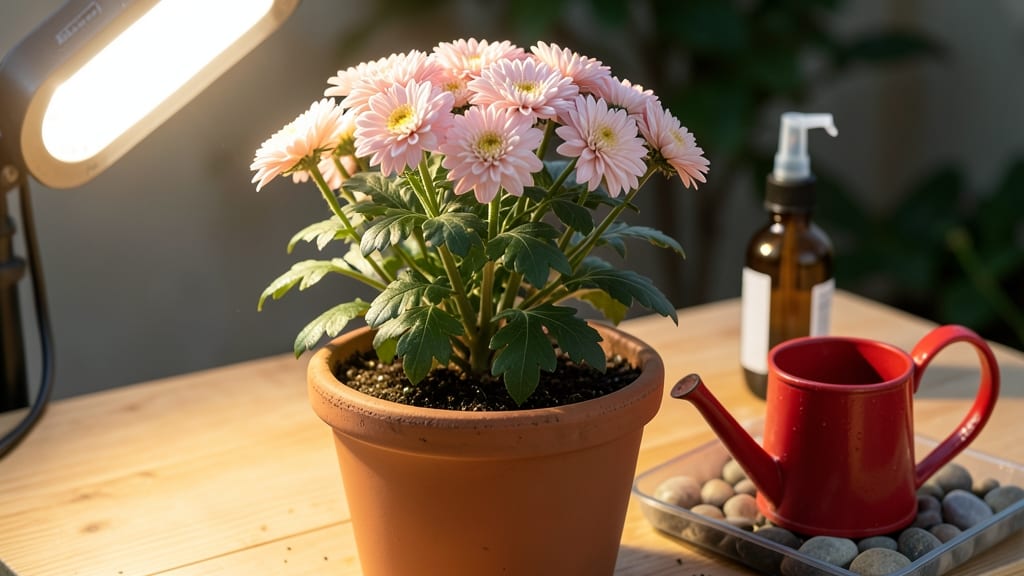
How to take care of mums indoors—bright indoor light can keep them blooming for months if you get this one thing right. 💚 I’ve nursed my indoor chrysanthemums through every winter, and the secret isn’t fancy equipment: it’s mimicking their natural light cycle with a mix of grow lights and strategic window placement. Most people overwater or underlight them, and that’s why they fade fast. Let’s fix that.
You’ll need a south-facing window (or east/west if you supplement with a basic LED grow light), well-draining potting mix, and a spray bottle for humidity. Mums thrive in 60-70°F temps and 40-50% humidity—so if your home runs dry in winter, a pebble tray under the pot works wonders.
The key is consistency: water when the top inch of soil feels dry, but never let them sit in soggy soil.
With the right care, your mums will reward you with bold blooms from fall through spring. Prune spent flowers regularly to encourage new buds, and pinch back leggy stems in early spring for bushier growth. The payoff? A year-round display that makes neighbors ask, “When did you get those?”
Even apartment dwellers can pull this off—just adjust light distance (12-18 inches from leaves) and rotate the pot weekly for even growth. Troubleshoot yellow leaves by checking drainage, and watch for spider mites by misting leaves often. Your mums will thank you with color that lasts.
📚 In This Guide
- What you need
- Instructions
- Tips and common mistakes
- Wrapping up and next steps
What you need
- ● Mums (chrysanthemum plants): 1–3 healthy, blooming plants (choose compact varieties like 'Dynasity' or 'Jolanda' for indoor success).
- ● 6–10-inch pots: 1–3 pots with drainage holes (terracotta or ceramic works best).
- ● Well-draining potting mix: 2–3 gallons of a lightweight, airy blend (e.g., 60% peat moss or coco coir + 30% perlite + 10% vermiculite).
- ● Grow lights: 1–2 full-spectrum LED grow lights (10,000–15,000 lux, 12–16 hours/day). Pro tip: 💡 Adjustable arms help direct light evenly!
- ● Watering can or spray bottle: 1 with a narrow spout for precise hydration.
- ○ Humidity tray or pebble tray: 1 (optional but helpful for dry indoor air).
- ● Pruning shears: 1 pair (sterilized with rubbing alcohol).
- ● Balanced fertilizer: 1 bottle (5-10-5 or 10-10-10, diluted to half-strength).
- ● Self-watering pot: For busy plant parents who travel often.
- ● Thermometer/hygrometer: To monitor ideal temps (60–70°F) and humidity (40–60%).
- ● Plant food spikes: Slow-release granules for hassle-free nutrition.
- ● Decorative cache pot: To hide the functional pot and match your décor!
- ● Spray bottle with hydrogen peroxide (1 tsp per quart of water): For natural fungicide if leaves yellow.
Step-by-Step instructions for caring for mums indoors
Here’s the simple routine I follow to keep my mums blooming beautifully all winter long.
🪴 Step 1: Choose the Right Spot for Bright, Indirect Light
Mums need 6-8 hours of bright, indirect light daily—think east or west-facing windows. A south window works too, but you’ll need to shield them from harsh afternoon sun with a sheer curtain. If your space is dim, a grow light on a timer for 12-14 hours saves the day.
Watch for leaves turning yellow or stretching toward the light—that’s your cue to move them closer. I like to rotate my pots a quarter turn weekly so they grow evenly. The goal is even color and compact growth, not leggy stems.
💧 Step 2: Water Just Right—Never Let Them Sit in Soggy Soil
Water when the top inch of soil feels dry to the touch—about once a week in winter, but check more often if your home is warm. Mums hate soggy roots, so always use pots with drainage holes and empty the saucer after watering. I use room-temperature water to avoid shocking the roots.
Overwatering is the #1 killer of indoor mums. If the leaves start yellowing or the stems feel mushy, you’re watering too much. Let the soil dry out more between waterings until you find the sweet spot.
✂️ Step 3: Prune Spent Blooms and Encourage New Growth
Deadhead faded blooms by snipping the stem just above a set of leaves with clean scissors. This tricks the plant into putting energy into new flowers instead of seeding. I do this every few days during the blooming season to keep them looking fresh.
If your mum looks tired by late fall, give it a light trim—cut back stems by ⅓ to encourage bushier growth. Just don’t overdo it; you’re shaping, not butchering. A little pruning now means bigger blooms later.
☀️ Step 4: Keep Them Cool at Night for Better Blooms
Mums love cool nights—ideally 55-60°F—to trigger more blooms. If your home stays warm at night, move them to a cooler room or near a window at night. A pebble tray with ice cubes can help lower humidity and keep roots cool.
Watch for buds forming—those little green nubs mean your plant is happy! If buds drop off before opening, it’s usually too dry or too warm. Adjust your care, and you’ll see more blooms next time.
Tips & tricks for perfect indoor mum care
These simple adjustments will help your mums thrive indoors all winter long—no green thumb required!
Lighting Strategy: If you're using a grow light for the recommended 12-14 hours, position it just 6-12 inches above the plant. Too far away and they won't get enough light; too close and you'll scorch the leaves. I test placement by running my hand between the light and plant—if it feels warm but not hot, you're in the perfect zone.
Rotation Reminder: That weekly quarter-turn rotation in Step 1 isn't just about looks—it prevents your mums from growing lopsided toward the light source. Set a phone reminder every Sunday morning to rotate them while you're watering. This small habit makes a huge difference in keeping your plants balanced and bushy.
Watering Wisdom: The "top inch dry" rule in Step 2 works best with the right tools. Invest in a soil moisture meter—it takes the guesswork out of watering. Stick it in the soil before watering; if it reads dry, water thoroughly until it runs out the drainage holes. If it's still damp, wait another day. This simple tool prevents both underwatering and overwatering.
Pruning Pro Tip: When you're deadheading those spent blooms in Step 3, grab a pair of clean, sharp scissors and make your cuts at a 45-degree angle just above a leaf node. This angled cut helps water run off instead of pooling on the stem, which prevents rot. I keep a small spray bottle of rubbing alcohol handy to wipe down my scissors between cuts—it keeps them sterile and prevents the spread of disease.
Pro Tips for Take Care Of Mums Indoors
- These simple adjustments will help your mums thrive indoors all winter long—no green thumb required!
- Lighting Strategy: If you're using a grow light for the recommended 12-14 hours, position it just 6-12 inches above the plant.
- Rotation Reminder: That weekly quarter-turn rotation in Step 1 isn't just about looks—it prevents your mums from growing lopsided toward the light source.
Frequently asked questions
Got questions about keeping your mum plants thriving indoors? You’re not alone! Here are some of the most common concerns—and straightforward answers—to help you grow lush, vibrant mums year-round.
How much light do mums really need indoors?
Mums need bright, indirect light for at least 6–8 hours daily. A south- or west-facing window is ideal, but if natural light is limited, supplement with a grow light (12–14 hours/day). Watch for leggy stems or pale leaves—these are red flags for insufficient light!
Can I keep mums indoors year-round, or do they need a break?
While mums can survive indoors year-round, they thrive best with a cool, dormant period (like winter). After blooming, reduce water and move them to a cooler spot (50–60°F) for 6–8 weeks. This resets their growth cycle for next season’s vibrant blooms.
Why are my mum’s leaves turning yellow or brown?
Yellowing leaves often signal overwatering (check soil moisture—it should dry slightly between waterings), while brown edges or crispiness usually mean low humidity or underwatering. Group plants together, mist leaves occasionally, or use a pebble tray to boost humidity.
Are there mum varieties better suited for indoor growing?
Yes! Smaller varieties like ‘Autumn Joy’ or ‘Pompon’ mums adapt better to indoor spaces. Look for compact, bushy types (under 12 inches tall) and avoid tall, sprawling varieties—they struggle with limited light. Dwarf mums also bloom prolifically in containers!
How do I revive a leggy or sparse mum plant?
Leggy or sparse mums need a light boost! Prune back overgrown stems by ⅓ to encourage bushier growth, then move them to a brighter spot. Fertilize lightly with a balanced formula (10-10-10) every 4–6 weeks. If roots are crowded, repot into a slightly larger container with fresh, well-draining soil.
Wrapping up and next steps
Caring for mums indoors is all about replicating their natural love for sunlight and warmth—no green thumb required! With the right bright light hacks, a cozy spot, and a little attention, you’ll enjoy vibrant blooms year-round.
Remember, consistency is key: monitor light exposure, stay patient, and don’t hesitate to adjust as needed.
Now that you’re armed with tips, take the next step! 🌱 Grab your mums, set up that perfect indoor garden nook, and watch your space (and spirits) brighten up. Happy growing—your future floral displays will thank you!