
How To
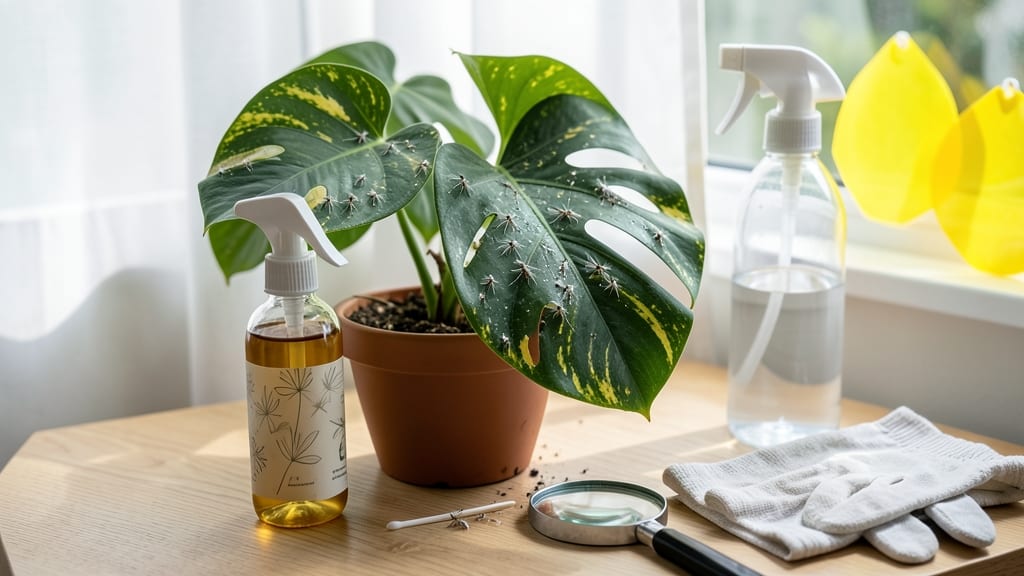
Whiteflies on your indoor plants aren’t just annoying—they’ll strip leaves faster than you can say "neem oil." 🌿 I’ve battled these tiny pests through three infestations, and the 48-hour neem oil method is the fastest way to reclaim your plants without harsh chemicals.
The problem starts when these sap-sucking insects cluster on undersides of leaves, leaving behind sticky residue that stunts growth. Most store-bought sprays miss the eggs hiding in crevices, but neem oil smothers all life stages—adults, nymphs, and eggs—within two days of consistent treatment.
You’ll see results almost immediately: fewer flying pests, less sticky residue, and new growth within weeks. The key is daily applications for the first week, then weekly maintenance sprays to prevent reinfestation. Works for ferns, succulents, and tropicals alike—just dilute properly and spray undersides thoroughly.
Here’s the exact recipe that saved my collection.
Root Causes Of Whitefly Infestations
Whiteflies may seem like tiny, harmless pests, but they thrive indoors due to specific conditions that make your plants their perfect buffet. Understanding why they show up—and why they stick around—is the first step to kicking them out for good. Let’s break down the science behind their unwanted visits.
Whiteflies love a crowded party, and your indoor plants might be hosting one without you realizing it.
These pests thrive in dense foliage because: - Reduced airflow traps heat and humidity, creating a cozy microclimate they adore. - Shared nutrients from overcrowded roots make plants weaker, making them easier targets for pests. - Physical proximity allows whiteflies to spread rapidly between plants via their waxy, white pupal cases.
Actionable insight: If your plants are packed tightly together, whiteflies can jump from one to another like a game of pest hopscotch. Thin out your collection, prune overgrown leaves, and ensure at least 3–6 inches of space between plants for better airflow.
Plants, like humans, get sick when they’re stressed or malnourished.
Whiteflies exploit this by: - Latching onto stressed plants first—those with nutrient deficiencies, root rot, or improper watering. - Feeding on sap, which weakens the plant’s defenses over time (like a vampire draining energy). - Leaving behind honeydew, a sticky residue that attracts sooty mold, further stressing the plant.
Science deep dive: Whiteflies detect volatile organic compounds (VOCs) released by struggling plants. Think of it like a distress signal—once they smell it, they swarm in.
Pro tip: 💡 Boost plant resilience by:
- Using balanced, slow-release fertilizers (like worm castings or fish emulsion).
- Avoiding overwatering (whiteflies love soggy roots).
- Rotating plants for even sunlight exposure (prevents weak, leggy growth).
Whiteflies are tropical travelers at heart.
Indoors, they’re drawn to: - Stagnant, warm air (ideal for their life cycle, which speeds up in 70–85°F). - High humidity (60–80% RH is their sweet spot—think of a greenhouse, but in your living room). - Poor ventilation, which traps their eggs and larvae on leaves.
Why it matters: In these conditions, a single whitefly can lay hundreds of eggs in just days, leading to an explosion of pests.
Fix it fast: 🌡️ Adjust your environment with:
- A small fan on low speed to disrupt their comfort zone.
- A dehumidifier if your home stays damp (aim for 40–50% humidity).
- Spaced-out watering to avoid soggy soil (whiteflies adore moisture).
Even the most careful plant parent can accidentally bring whiteflies indoors through:
- Infested cuttings or nursery plants (pests hide in leaves, stems, or soil).
- Potting mix with eggs or larvae (some soil blends aren’t heat-treated).
- Shared gardening tools (contaminated pruners or pots can transfer pests).
Shocking stat: Up to 30% of nursery plants may carry hidden whitefly eggs or nymphs.
Prevention checklist: ✅ Before adding new plants:
- Quarantine them for 2 weeks in a separate room.
- Inspect leaves, stems, and soil under a bright light (use a magnifying glass).
- Rinse roots in water before repotting to wash off hitchhikers.
Outdoors, whiteflies face a gauntlet of predators—ladybugs, lacewings, and parasitic wasps—that keep their populations in check. Indoors? Game over for their enemies.
Result: Without these natural controls, whiteflies reproduce unchecked, turning your fern collection into their personal buffet.
Solution: 🌟 Introduce beneficial insects (like Encarsia formosa parasitic wasps) or DIY predator-friendly habitats (e.g., releasing ladybugs every few weeks).
Too much fertilizer—especially high-nitrogen blends—doesn’t just burn roots. It:
- Attracts whiteflies like a neon sign (they’re drawn to the sugary sap overproduction).
- Weakens plant defenses by promoting rapid, tender growth (easy pickings for pests).
Chemistry alert: Excess nitrogen triggers phloem sap production, which whiteflies love to sip.
Balance act: 🎯 Switch to a low-nitrogen fertilizer (like a 5-5-5 blend) or use organic compost tea to feed plants without the pest magnet.
Quick Fixes for Whitefly Infestations
Whiteflies may be tiny, but they’re not invincible! These pesky pests thrive on weak plants and crowded conditions, but with the right approach, you can banish them fast—often in 48 hours or less.
Below, we break down the most effective solutions based on the root cause of your infestation, plus prevention tips to keep them from returning. No fancy tools or chemicals required—just smart, plant-friendly tactics.
Whiteflies love cluttered, dusty leaves where they hide and lay eggs. If your plants are packed too closely or haven’t been wiped down in weeks, they’ll move in like uninvited guests.
How to Fix It:
- 🧹 Wipe leaves with soapy water (1 tsp mild dish soap + 1 quart water). Use a soft cloth or sponge to remove dust, eggs, and adult flies. Do this every 3–4 days for a week.
- 🌿 Separate infected plants from healthy ones. Place them in a quarantine zone (like a bathroom or garage) to prevent spread.
- 💨 Blast them off with a strong stream of water from a hose or spray bottle. Whiteflies are weak fliers—this dislodges adults and eggs.
💡 Pro Tip: If your plant has sticky residue (honeydew), whiteflies are already feasting. Clean it immediately with a damp cloth to disrupt their meal plan.
When whiteflies are swarming and soap sprays aren’t cutting it, you need a stronger but plant-safe weapon. Neem oil, insecticidal soap, and DIY sprays are your best bets.
🌿 Neem Oil Spray (Works in 48 Hours!)
Neem oil disrupts their life cycle, repels adults, and kills eggs. It’s safe for most indoor plants (test on a small leaf first).
How to Make It:
- Mix 1 tbsp neem oil + 1 tsp mild dish soap + 1 quart water.
- Add 1–2 drops of horticultural oil (optional, for extra stickiness).
- 🍳 Shake well and spray undersides of leaves (where eggs hide) until dripping.
- 🌞 Repeat every 5–7 days for 2–3 weeks to break their cycle.
⏰ Timing Matters: Apply in the early morning or late evening to avoid harming beneficial insects (like ladybugs).
🧴 Insecticidal Soap (Fast-Kill Spray)
If you need instant results, insecticidal soap (like Safer® Brand) kills whiteflies on contact.
How to Use:
- Follow label instructions (usually 1–2 tbsp per gallon of water).
- 👨🍳 Spray thoroughly, covering all leaf surfaces.
- ⚠️ Warning: Avoid spraying direct sunlight—it can burn leaves.
🍋 DIY Garlic or Chili Pepper Spray (Smelly but Effective)
Whiteflies hate strong smells. A garlic-chili spray repels them naturally.
Recipe:
- Blend 4 garlic cloves + 1 tbsp cayenne pepper + 1 quart water.
- Strain, add 1 tsp soap, and spray on leaves.
- 🌡️ Reapply every 3–4 days until infestation clears.
Whiteflies target weak plants. If your indoor garden is underwatered, overwatered, or nutrient-deficient, they’ll see it as an all-you-can-eat buffet.
How to Strengthen Your Plant:
- 💧 Check soil moisture—whiteflies love dry soil (they thrive in drought-stressed plants). Water deeply but less often.
- 🌱 Fertilize lightly with a balanced, water-soluble fertilizer (like 10-10-10). Avoid overfeeding—it attracts pests.
- 🌿 Prune yellow or damaged leaves—they’re entry points for pests.
- 🌞 Give it bright, indirect light—weak, leggy plants are prime targets.
✨ Bonus: Companion plants like basil, marigolds, or lavender repel whiteflies naturally. Place them near your infected plants.
If whiteflies are still winning, trap them with yellow sticky cards. They’re cheap, chemical-free, and catch adults before they reproduce.
How to Set Up Traps:
- Buy pre-made sticky traps or make your own (coat yellow cardstock with Tanglefoot or petroleum jelly).
- 📎 Hang traps near infected plants (whiteflies are drawn to yellow).
- 🕒 Check daily and replace when covered in flies.
💡 Pro Tip: Place traps under leaves—that’s where whiteflies hide during the day.
Once you’ve won the battle, don’t let them win the war. Follow these long-term strategies to keep your indoor jungle pest-free:
✅ 🌿 Inspect new plants before bringing them inside. Quarantine for 2 weeks to spot hitchhikers. ✅ 🚿 Wipe leaves weekly with a damp cloth to remove dust and eggs. ✅ ✂️ Prune regularly to improve airflow (whiteflies love stagnant, humid spots). ✅ 🌡️ Monitor humidity—keep it below 60% (use a dehumidifier if needed). ✅ 🐞 Encourage natural predators like ladybugs, lacewings, or parasitic wasps (available at garden centers). ✅ 🚪 Limit outdoor airflow—keep windows and doors screened to block flying pests.
Final Thought: Whiteflies are annoying but beatable—especially with neem oil, isolation, and plant care. Stay vigilant, and your indoor garden will stay fly-free and flourishing! 🌱💪
Frequently asked questions
How do I know if my indoor plants have whiteflies?
Look for tiny white moth-like insects fluttering when you disturb leaves, or check the undersides for small white eggs and sticky residue (honeydew). Whiteflies leave a waxy white coating on leaves and create black sooty mold if left untreated.
Can I use neem oil on all indoor plants?
Neem oil is safe for most plants, but always test a small leaf first—some tropical plants like calatheas or philodendrons may react. Avoid using it on succulents or cacti as they absorb oils differently. Dilute properly (1 tbsp neem + 1 tsp soap per quart of water).
Will sticky traps alone eliminate whiteflies?
Sticky traps catch adult flies but won't stop eggs or nymphs. Use them as a supplement to sprays like neem oil or insecticidal soap. Replace traps every 3-5 days and place them near infested plants to maximize effectiveness.
How long does it take to see results with natural remedies?
With consistent treatment (daily for first week), you'll see fewer flying adults in 2-3 days and reduced eggs in 5-7 days. Complete eradication may take 2-3 weeks as you break their life cycle. Patience is key!
Are whiteflies harmful to humans?
No, they're plant pests only. However, their honeydew can cause allergic reactions in sensitive individuals, and their swarms may be annoying. The real danger is to your plants—they weaken them by sucking sap and spreading disease.