
Container Gardens
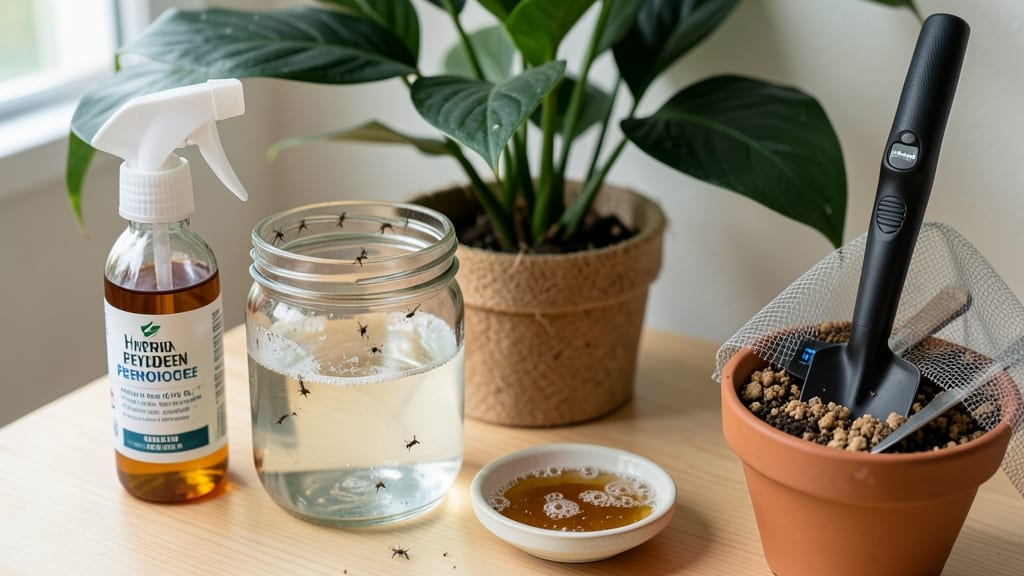
Small flies buzzing around your indoor plants? 🌱 That’s fungus gnats—or fruit flies—and they’re worse than just annoying. I’ve battled them in my own collection, and the good news is you can eliminate them naturally in just 3 days without harming your plants.
The secret lies in cutting off their life cycle at the source, not just swatting them away. Most people overwater first, which is exactly what attracts these pests. Fungus gnats lay eggs in damp soil, and their larvae munch on roots while adults swarm your windows.
The fix starts with drying out the top inch of soil and switching to a well-draining mix. Yellow sticky traps catch adults fast, but the real game-changer? A hydrogen peroxide drench that kills larvae without chemicals.
By day 3, you’ll see a dramatic drop in fly activity—and your plants will start looking healthier as roots recover. The best part? This method works for every type of houseplant, from ferns to succulents, without leaving behind toxic residues. Let’s get those pests gone for good.
Here’s the thing—these flies don’t just appear out of nowhere. They’re drawn to overly moist soil and decaying organic matter, which is why repotting with fresh, sterile potting mix can be a game-changer. I’ve seen infestations vanish completely after just one repotting session with a fast-draining medium.
Add a handful of sand or perlite to improve drainage, and you’ll create an environment these pests can’t survive in. The payoff comes fast: no more swarms, no more yellowed leaves from root damage, and plants that stay lush and productive.
You’ll notice the difference in 24–48 hours once you break their cycle. And the best part? This approach keeps working long-term if you maintain proper watering habits.
If you’ve tried everything and the flies keep coming back, it might be time to check for hidden moisture issues—like a saucer full of standing water or a pot with poor drainage. Sometimes, a beneficial nematode treatment is the final solution for stubborn cases, but that’s a last resort.
Most infestations clear up with the right mix of dry soil, traps, and patience. The key is consistency. Stick with the routine for at least a week, and you’ll break their life cycle for good.
Your plants will thank you with stronger growth and fewer pests—no more fly swarms to ruin your peace. Ready to reclaim your plant babies?
Root Causes of Tiny Plant Flies
Understanding why those pesky small flies keep buzzing around your indoor plants is the first step to kicking them out for good. 🪰 These tiny invaders—often fruit flies, fungus gnats, or drain flies—don’t just appear out of nowhere.
They’re drawn to specific conditions in your home and garden setup. Let’s break down the science behind their uninvited visits and what’s making your plants their perfect buffet.
Fungus gnats thrive in moist, organic-rich soil, especially if it’s consistently damp. Here’s why: - Larvae Love Decay: These flies lay eggs in soil with high moisture and organic matter (like compost or decaying plant material).
The larvae feed on fungi, bacteria, and root hairs—making your plant’s roots their all-you-can-eat salad bar. - Slow-Draining Pots: If water pools at the bottom of your container or drains poorly, you’ve created the ideal gnat nursery.
Even well-draining mixes can become soggy if overwatered. - Fertilizer Overload: Excess nitrogen (common in synthetic fertilizers) accelerates microbial growth, which fungus gnats adore. Think of it like a fast-food joint for their larvae.
💡 Pro Tip: Stick your finger in the soil—if the top 1–2 inches stay wet for more than a day, you’re overwatering. Let it dry out between waterings!
Fruit flies (or vinegar flies) are attracted to fermenting sugars, which means: - Overripe or Rotten Produce: A single banana with brown spots or a forgotten apple on the counter can trigger a fruit fly infestation.
These flies detect ethanol (alcohol) from fermentation up to a mile away—yes, really. - Sugar-Rich Plant Debris: Dropped leaves, spilled nectar, or even sticky honeydew from pests (like aphids) create a sticky, sugary trap for adults.
Once they land, they’re more likely to lay eggs in moist, decaying matter. - Household Sources: Dishwater with food scraps, dirty sponges, or even pet food left out overnight can become a breeding ground. These flies don’t discriminate—they’ll colonize your plants and your kitchen.
✨ Quick Fix: Keep fruit in the fridge, clean up spills immediately, and store compost far from your plants.
Drain flies (or sewer gnats) aren’t after your plants—they’re after your plumbing’s biofilm. Here’s how they sneak in: - Clogged Drains: Organic buildup in sinks, shower drains, or plant saucers (especially under self-watering pots) creates a slimy layer of bacteria and fungi.
Drain fly larvae munch on this gunk, then pupate and emerge as adults. - Moist Potting Mix: Unlike fungus gnats, drain flies don’t need wet soil—they just need humid conditions.
A saucer full of stagnant water or a pot with poor airflow can attract them to lay eggs in nearby damp areas. - Outdoor Contamination: If you’ve recently repotted or used outdoor soil, it might carry drain fly eggs.
Even a small amount of contaminated mix can hatch into a full-blown infestation.
🔥 Warning: These flies often indicate a larger moisture or drainage issue in your home. Check under sinks and behind plants for hidden leaks!
Plants (and pests) thrive in stagnant air, which creates the perfect storm for small flies: - Low Humidity Tolerance: Many houseplants prefer 40–60% humidity, but if your home is too dry or too humid, it stresses plants—and pests love stressed plants.
Fungus gnats, for example, prefer high humidity near soil. - Crowded Plants: Overpotting or placing plants too close together reduces airflow, trapping moisture and heat. This creates microclimates where flies can breed unchecked. - No Ventilation: Bathrooms, kitchens, or basements with poor airflow become fly magnets.
Without circulation, pests can’t be disrupted, and their populations explode.
🎯 Action Step: Use a small fan on low near your plants to improve airflow, or group plants with similar watering needs together (but not touching!).
Sometimes, the flies aren’t even from your home—they’re stowaways: - New Plants or Soil: Purchasing a new houseplant, potting mix, or even outdoor mulch can introduce fungus gnat eggs or larvae.
Many big-box stores don’t quarantine plants, so infestations can hitch a ride home. - Open Windows/Screens: Fruit flies and drain flies are excellent fliers and can sneak in through gaps in screens or open windows, especially if outdoor plants are nearby. - Visitors or Pets: A potted plant from a friend’s house, a dog’s muddy paw, or even a grocery bag with produce can bring flies indoors.
💡 Prevention Tip: Quarantine new plants for 2–3 weeks in a separate room before introducing them to your collection. Inspect soil and leaves for signs of pests first!
Tackle Tiny Flies Naturally
Now that you know why those pesky small flies are buzzing around your indoor plants, it’s time to kick them to the curb—without harsh chemicals. Below are targeted solutions based on the most likely causes, along with prevention tips to keep your green babies fly-free long-term.
If your flies are fruit flies (the tiny, fast-moving ones), they’re likely drawn to decaying plant matter. Here’s how to evict them:
🍳 Step 1: Remove the Food Source
- Inspect your plants for overripe fruit, moldy soil, or dead leaves.
These are fly magnets. - Trim away any brown, mushy, or slimy parts—compost them immediately (not near your plants). - Check the soil surface: If it looks damp and crusty, it may be fermenting. Let the top layer dry out.
👨🍳 Step 2: Clean Up Spills & Droppings
- Wipe down pots, saucers, and windowsills with a vinegar-water solution (1:1 ratio). Flies love sticky residue!
- Empty and scrub plant saucers weekly to remove sugar or organic buildup.
🥘 Step 3: Trap & Eliminate Existing Flies
- Apple cider vinegar trap:
- Fill a small bowl with apple cider vinegar and a few drops of dish soap.
- Cover with plastic wrap, poke small holes, and place near plants.
Flies enter but can’t escape. - Red wine trap: Repeat the vinegar method but use red wine—flies are irresistibly drawn to it. - Replace soil if it’s heavily infested (sterilize pots first with boiling water).
If you’re dealing with tiny black or gray flies hovering near soil, they’re probably fungus gnats. These pests thrive in moist, organic-rich soil.
🌡️ Step 1: Adjust Watering Habits
- Let the top inch of soil dry out between waterings. Overwatering = fungus gnat paradise.
- Water at the base (not overhead) to avoid creating a damp, fly-friendly environment.
- Use a moisture meter if you’re unsure—fungus gnats love soggy soil.
🎯 Step 2: Modify Soil Conditions
- Add sand or perlite to improve drainage (mix 20% into potting soil).
- Use coconut coir or peat moss instead of fresh compost, which can harbor eggs.
- Repot infested plants into sterilized soil (bake soil in the oven at 200°F for 30 minutes to kill larvae).
✨ Step 3: Natural Larvicides & Traps
- Yellow sticky traps: Place them above the soil to catch adult gnats before they lay eggs.
- Bacillus thuringiensis israelensis (Bti): A natural bacteria (like Mosquito Bits) that kills larvae without harming plants.
- Coffee grounds: Sprinkle used grounds on topsoil—they repel gnats and improve soil as they decompose.
Once you’ve evicted the flies, stop them from returning with these proactive tips:
- 🌿 Quarantine new plants: Keep them separate for 2–4 weeks before introducing them to your collection. - 🍎 Avoid overfeeding: Too much fertilizer (especially high-nitrogen) attracts fungus gnats. - 🔄 Rotate plant positions: Reduces humidity buildup in one spot, making it less appealing to flies. - 🌡️ Use a fan: A gentle breeze keeps flies away and improves air circulation around plants. - 🍋 Essential oil deterrent: Mix 5 drops of peppermint, eucalyptus, or lemongrass oil with water in a spray bottle.
Lightly mist around plants (not directly on leaves).
If flies persist after 3–5 days of treatment: - Increase trap frequency (place traps every 2–3 feet around plants). - Try neem oil spray (mix 1 tsp neem oil + 1 tsp dish soap + 1 quart water).
Spray soil and undersides of leaves (test on a small area first). - Consider beneficial nematodes (Steinernema feltiae)—microscopic predators that eat gnat larvae (available online or at garden centers).
Remember: Consistency is key! Flies reproduce fast, so daily checks and preventive habits will keep your indoor garden fly-free for good. 🚀
Frequently asked questions
Why do small flies keep coming back even after I’ve treated my plants?
These pests have a fast reproduction cycle—females lay up to 300 eggs in damp soil, and larvae mature in just 7–10 days. If you don’t address the root cause (like overwatering or organic debris), new flies will keep hatching. Focus on drying the soil, removing decaying matter, and using traps consistently for at least 1–2 weeks.
Are yellow sticky traps safe for my plants?
Yes! These traps are completely plant-safe and only catch adult flies. Place them above the soil (not touching leaves) to avoid accidental stickiness. For extra protection, position traps near windows or plant clusters where flies gather. Replace them every 2–3 days when they get full.
Can I use hydrogen peroxide on all types of indoor plants?
Most houseplants tolerate a 3% hydrogen peroxide solution (1 part peroxide to 4 parts water), but always test a small leaf first. Avoid using it on succulents, cacti, or air plants—they’re sensitive to moisture. For these, focus on improving soil drainage or using coffee grounds instead.
How do I know if my flies are fungus gnats vs. fruit flies?
Fungus gnats are tiny, dark, and hover near soil—they’re drawn to moist potting mix. Fruit flies are orange/brown, faster, and swarm overripe fruit or spills. Check their behavior: If they’re buzzing around decaying plant matter, it’s fruit flies. If they’re near damp soil, it’s fungus gnats.
Will repotting always solve my fly problem?
Not if you don’t change your habits! Repotting with sterile, fast-draining soil helps, but flies return if you overwater again or leave organic debris. Pair repotting with traps and adjusted watering (let soil dry 1 inch deep between waterings) for long-term results.