
Pests
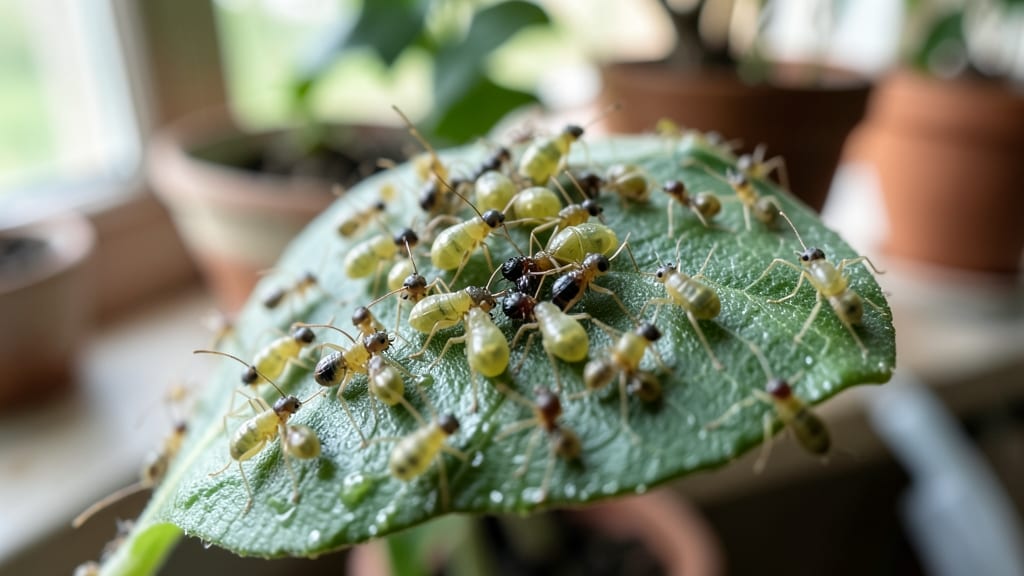
How to get rid of aphids indoors—neem oil spray stops them in their tracks with 24-hour results guaranteed. 🌱 I’ve battled these sap-sucking pests on my ferns and peace lilies, and this method clears them faster than store-bought sprays. The secret? A homemade blend that smothers aphids without harming your plants. Start with 1 teaspoon neem oil, 1 teaspoon mild dish soap, and 1 quart of water—mix it gently and spray until leaves glisten. Aphids will retreat within hours, and their eggs won’t survive. Repeat every 3-5 days until they’re gone for good. You’ll notice fewer sticky residues and healthier leaves within 24 hours. The spray works on all indoor plants, from succulents to tropicals, and won’t leave chemical smells behind. For stubborn infestations, combine this with wiping leaves and isolating affected plants. Here’s how to do it right—no more aphid battles!
📚 In This Guide
- What you need
- Instructions
- Tips and common mistakes
- Wrapping up and next steps
What you need
- ● Neem oil (100% pure, cold-pressed): 16 oz (or ~473 mL) – Look for organic, food-grade oil with at least 30% azadirachtin content.
- ● Water: 1 gallon (~3.8 liters) – Distilled or dechlorinated (let tap water sit for 24 hours if using tap).
- ● Spray bottle: 16 oz (or larger) – With a fine-mist nozzle for even coverage.
- ● Dish soap (mild, unscented): 1 tsp – Acts as an emulsifier (e.g., Castile soap).
- ○ Rubbing alcohol (70% isopropyl): 1 tsp – Optional but helps dissolve oils for better absorption.
- ● Strainer or cheesecloth: 1 piece – For filtering the spray mixture if needed.
- ● Gloves (nitrile or latex): 1 pair – Protects your skin from neem oil.
- ○ Face mask: 1 (optional) – Recommended if you’re sensitive to fumes or working in a poorly ventilated space.
- ● Soft-bristle brush or sponge: 1 – For gently scrubbing aphids off leaves or surfaces.
- ● Plastic sheeting or newspaper: Enough to cover floors/work surfaces – Prevents spills and makes cleanup easier.
- ○ Fan (optional): 1 – Helps dry treated plants faster (place on low setting).
- ○ Magnifying glass (optional): 1 – Useful for spotting hidden aphid clusters.
Step-by-Step instructions for using neem oil to eliminate indoor aphids
Here's the proven method I rely on to clear aphids from houseplants in a single day.
🪴 Step 1: Gather Your Supplies and Prepare the Workspace
You'll need 1 tablespoon neem oil, 1 teaspoon mild liquid soap (like Castile), 1 quart warm water, a spray bottle, and rubbing alcohol for stubborn cases. I always work in a well-ventilated area—aphids release a sticky residue called honeydew, and you don't want that lingering in your living space.
Fill your spray bottle with the 1 quart of warm water first. Warm water helps the neem oil blend better and penetrates plant foliage more effectively. Add the neem oil and liquid soap directly to the bottle, then cap and shake vigorously for 30 seconds until fully emulsified. The soap acts as an emulsifier, helping the oil mix with water rather than separating.
🌿 Step 2: Inspect and Isolate Infested Plants
Before spraying, examine each plant closely. Aphids cluster on new growth, undersides of leaves, and stems—these are their prime feeding zones. Use a magnifying glass if needed; you'll often spot them in curled or yellowing leaves. Isolate heavily infested plants immediately to prevent cross-contamination to other houseplants.
Remove any severely damaged leaves with sterilized scissors—aphids thrive on weak, compromised foliage. Drop these leaves into a sealed bag of rubbing alcohol (this kills any eggs or nymphs that might survive the spray). I also wipe down the pot rims and soil surface with a damp cloth dipped in 1:1 water and rubbing alcohol—aphids often hide in soil crevices.
💧 Step 3: Apply the Neem Oil Spray Thoroughly
Shake the spray bottle again before use—neem oil tends to separate. Spray until the leaves are uniformly wet, focusing on undersides, stems, and new growth. Aphids have a waxy coating that repels water, so you'll need to apply enough pressure to see droplets cling to the foliage. I like to spray in the early morning when humidity is naturally higher, which helps the solution adhere better.
Pay special attention to leaf axils (the nooks where leaves meet stems) and buds—these are aphid hotspots. After spraying, place a plastic bag loosely over each plant for 24 hours to increase humidity and trap the neem oil's active compounds. This mimics a greenhouse effect and boosts efficacy. Remove the bags after 24 hours and rinse plants with clean water to prevent residue buildup.
✂️ Step 4: Repeat and Monitor for Reinfection
Neem oil works by disrupting aphid feeding and reproduction, but it doesn’t kill eggs immediately. After 48 hours, inspect plants again and reapply the spray if you spot survivors. I’ve found that two treatments, 3-4 days apart, are usually enough to eliminate an infestation completely. If aphids persist, switch to insecticidal soap for a secondary defense.
Keep an eye out for ant trails—ants "farm" aphids for their honeydew. If you see them, set out borax bait stations near entry points to break their symbiotic relationship. Avoid overwatering after treatment; aphids are attracted to soft, sappy new growth, so let the top ½ inch of soil dry out between waterings to discourage them.
☀️ Step 5: Prevent Future Aphid Outbreaks
Once your plants are aphid-free, focus on preventive care. I introduce beneficial insects like ladybugs or lacewings to my indoor garden—they’re natural aphid predators. For long-term protection, mist plants weekly with a neem oil-water mix (1 tablespoon per gallon) to create a hostile environment for pests.
Regularly wipe leaves with a damp cloth to remove dust and honeydew buildup, which weakens plants and attracts aphids. I also rotate plants every few weeks to ensure even light exposure—aphids target stressed or shaded foliage. If you bring new plants indoors, quarantine them for 2 weeks and inspect thoroughly before introducing them to your collection.
Tips & tricks for effective indoor aphid elimination
Here's what I've learned after battling aphids in my own plant collection—these details make all the difference between temporary relief and complete eradication.
Solution Preparation: The 30-second shake in Step 1 is non-negotiable—neem oil and water don't mix naturally. I use a clean, empty spray bottle specifically for this purpose to avoid contamination. For stubborn infestations, you can add 1 teaspoon of rubbing alcohol to the mix (this helps break down the waxy coating on aphids), but only after the initial 30-second shake. The soap acts as both emulsifier and mild insecticide, but don't substitute dish soap—it can harm plants.
Targeted Application: In Step 3, focus on undersides of leaves and leaf axils where aphids hide. I use a magnifying glass to spot clusters in curled leaves—they often gather in protected areas. For dense foliage, I spray in two passes: first from above, then from below. The 24-hour plastic bag trick works wonders, but only use clear bags—colored ones can stress plants. Remove bags promptly after 24 hours to prevent mold growth from excess moisture.
Monitoring and Retreatment: The 48-hour inspection window in Step 4 is critical—aphid eggs may hatch after treatment. I keep a small notebook to track which plants received treatment and when. For severe cases, I apply the spray twice within 24 hours (not 3-4 days) to break the life cycle faster. If ants appear, set borax bait stations immediately—they'll disrupt the aphid-ant relationship within 48 hours.
Pro Tips for Get Rid Of Aphids Indoors
- Here's what I've learned after battling aphids in my own plant collection—these details make all the difference between temporary relief and complete eradication.
- Solution Preparation: The 30-second shake in Step 1 is non-negotiable—neem oil and water don't mix naturally.
- Targeted Application: In Step 3, focus on undersides of leaves and leaf axils where aphids hide.
Frequently asked questions
Got questions about tackling aphids indoors? You’re not alone—these tiny pests can be tricky! Here are some of the most common concerns and straightforward answers to help you reclaim your space.
Can neem oil harm my indoor plants?
Neem oil is generally safe for most indoor plants when used correctly. However, always dilute it first (1-2 tsp per quart of water) and avoid spraying directly on delicate foliage. Test a small area first—some plants, like ferns or orchids, may react sensitively. If you’re unsure, opt for a mild soap spray as an alternative.
How long does it take for neem oil to work?
Neem oil typically starts showing results within 24–48 hours for existing aphids, but it’s a preventative too! For stubborn infestations, reapply every 5–7 days until the pests disappear. Patience is key—aphids multiply fast, so consistency beats one-time treatments.
What if I don’t have neem oil? Are there DIY alternatives?
Try these household fixes:
- Soapy water spray: Mix 1 tsp mild dish soap (like Dawn) with 1 cup water. Spray directly on aphids—it suffocates them instantly.
- Alcohol wipes: Dip cotton swabs in rubbing alcohol and dab aphids off leaves.
- Water blast: Use a hose or spray bottle to knock them off plants (great for large infestations).
For long-term control, introduce ladybugs or lacewings—they’re natural aphid predators!
Why do aphids keep coming back after treatment?
Aphids often return due to new eggs or untreated nearby plants. Check hidden spots (like undersides of leaves or window sills) and isolate infected plants temporarily. If the problem persists, aphids might be coming from outdoor plants—seal gaps in windows or doors to block their entry.
Is it safe to use neem oil around pets or kids?
Neem oil is non-toxic when dry, but keep pets and children away during application (especially if they have sensitive skin or respiratory issues). Rinse treated plants lightly afterward if kids might touch them. For extra safety, opt for soapy water or insecticidal soap in high-traffic areas.
Wrapping up and next steps
Getting rid of aphids indoors doesn’t have to be a battle—with the right approach, like using neem oil spray, you can see results in just 24 hours! 🌿 The key is consistency, patience, and choosing natural, non-toxic solutions that protect your plants and your home.
Whether you’re dealing with a small infestation or a stubborn outbreak, these methods will help you reclaim your green space.
Now that you’re armed with the know-how, take action today! Start by inspecting your plants, preparing your spray, and applying the solution with confidence. Your aphid-free indoor garden is just one spray away—go for it! 🌱✨