
Container Gardens
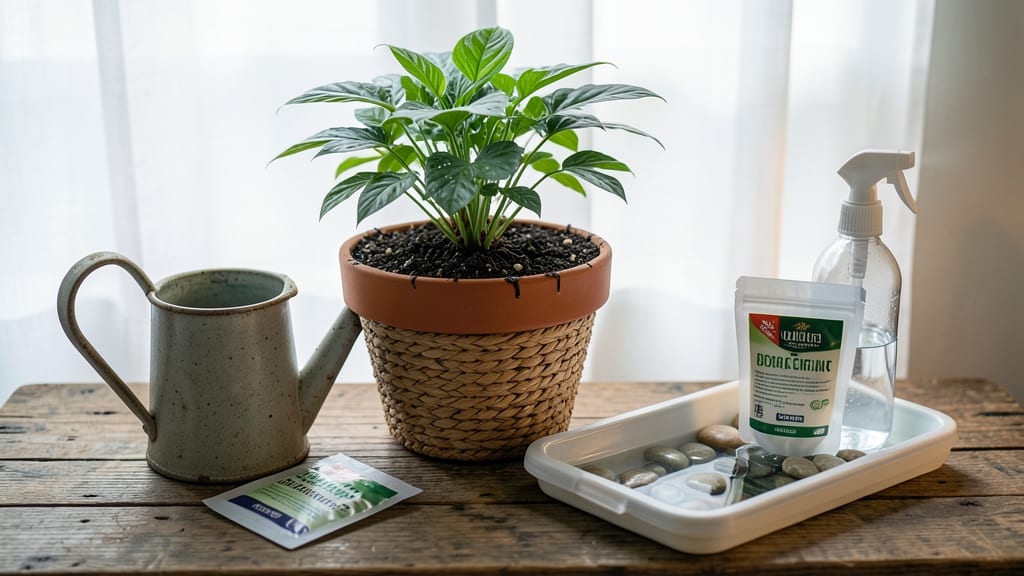
Caring for a majesty palm indoors means unlocking that tropical vibe without the bright sunlight. 🌿 I’ve kept mine thriving in my dim living room for years—here’s the exact routine that keeps its fronds lush and upright, even when natural light is scarce.
The secret lies in three non-negotiables: indirect light (no harsh sun), consistently moist soil (not soggy), and humidity that mimics its jungle roots. Most people overwater or place it in drafts, which is why so many majesty palms struggle indoors—don’t let that be you.
By the end of summer, you’ll see new fronds unfurling with rich, glossy green color, and the plant will grow 2-3 feet taller with proper care. The key is patience—this palm rewards slow, steady attention over quick fixes.
Works in offices, bathrooms, or any space with moderate to low light. Let’s get those fronds flourishing!
📚 In This Guide
- What you need
- Instructions
- Tips and common mistakes
- Wrapping up and next steps
What you need
- ● Pot: A drainage-friendly container (12–18 inches in diameter) with 4+ drainage holes—terracotta or ceramic works best.
- ● Well-draining potting mix: A blend of 50% peat moss or coconut coir, 30% perlite or pumice, and 20% orchid bark or sand (sterilized). Avoid heavy garden soil!
- ● Watering can: With a narrow spout for precise watering (1–2 gallons capacity).
- ● Humidity tray or pebble tray: A shallow tray with pebbles or gravel (1–2 inches deep) to elevate the pot and hold water.
- ● Misting bottle: For occasional foliar hydration (8–16 oz spray bottle).
- ● Fertilizer: A balanced liquid fertilizer (e.g., 20-20-20 or 10-10-10) diluted to half-strength.
- ● Pruning shears: Sharp, sterilized shears for trimming dead fronds (clean with rubbing alcohol between uses).
- ○ Support stake or trellis: (Optional) For taller palms (3+ feet) to prevent toppling.
- ● Grow lights: A full-spectrum LED grow bulb (10,000–12,000 lumens) for supplemental low-light spots.
- ● Palm food: A slow-release palm fertilizer (e.g., Osmocote) for seasonal feeding.
- ● Soil moisture meter: To check root-zone humidity (avoid soggy soil!).
- ● Decorative cache pot: A stylish outer pot (without drainage holes) to elevate the plant and hide the tray.
Step-by-Step guide to nurturing a thriving majesty palm indoors
Majesty palms are the unsung heroes of indoor plants—elegant, low-maintenance, and perfect for spaces where light is scarce.
💧 Step 1: Master the Watering Routine for Optimal Health
The key to a happy majesty palm is consistent moisture without soggy roots. Water when the top 2-3 inches of soil feel dry to the touch—this usually means every 7-10 days, but adjust based on humidity and temperature. I use my finger to check depth; if it's damp past that point, wait another day or two. Overwatering is the #1 killer of these palms, so always ensure the pot has drainage holes.
When you do water, soak the soil thoroughly until water runs freely from the drainage tray below. Empty that tray after 10 minutes to prevent root rot. In winter, when indoor air is dry, you might need to water slightly less frequently. Watch for brown fronds—they’re often a sign of underwatering, but mushy stems or yellow leaves mean you’re overdoing it.
☀️ Step 2: Position for Low-Light Success Without Sacrificing Growth
Majesty palms thrive in bright, indirect light, but they’re famously adaptable to lower-light conditions. Place yours near a north- or east-facing window where they’ll receive gentle, diffused sunlight. If you notice new fronds emerging smaller or paler than usual, it’s time to move the plant 2-3 feet closer to a light source. Avoid harsh afternoon sun, which can scorch the delicate fronds.
For truly dim spaces, supplement with a grow light positioned 12-18 inches above the plant for 12-14 hours daily. You’ll see the difference within weeks—fronds will unfurl more fully and maintain their vibrant green color. Rotate the pot quarter-turn weekly to encourage even growth; you’ll notice one side leaning toward the light if you skip this step.
🌿 Step 3: Feed and Prune for Long-Term Lushness
Feed your majesty palm every 4-6 weeks during spring and summer with a balanced, water-soluble fertilizer diluted to half-strength. I swear by a 20-20-20 formula because it provides equal parts nitrogen, phosphorus, and potassium—ideal for steady, healthy growth. Skip fertilizing in fall and winter when the plant’s growth naturally slows. Always water the soil before applying fertilizer to prevent root burn.
Prune only when necessary: remove any yellow or brown fronds by cutting them at the base with clean, sharp scissors. Never trim healthy fronds—this palm doesn’t regrow from old leaves. If you notice fronds developing black tips, it’s usually a sign of fluoride sensitivity (common in tap water). Switch to filtered or distilled water immediately, and the new growth will thank you with crisp, vibrant tips.
⏰ Step 4: Monitor and Adjust for Seasonal Changes
Majesty palms are sensitive to temperature shifts, so keep them in a space that stays between 65-80°F. Drafts from windows, doors, or air conditioning vents can cause fronds to brown at the edges. If you notice this happening, move the plant 5-6 feet away from the draft source. Humidity is another critical factor—these tropical plants love 40-60% humidity. In dry winter months, I place the pot on a tray filled with pebbles and water to create a natural humidifier.
Dust the fronds every 2-3 months with a damp microfiber cloth to help the plant breathe. Dust buildup blocks light absorption, leading to slower growth. If you see spider mites or mealybugs (tiny white cottony spots), treat with a mix of 1 tsp neem oil per quart of water, spraying both sides of the fronds until damp. Repeat every 5-7 days until the pests are gone—patience is key here.
🪴 Step 5: Repot Only When Absolutely Necessary
Majesty palms grow slowly and resent being disturbed, so repot only every 2-3 years or when roots are visibly circling the pot. Choose a container that’s 2-3 inches wider in diameter than the current one, and always use a high-quality, well-draining potting mix formulated for palms or tropical plants. The mix should contain perlite or orchid bark to improve aeration—this prevents the roots from sitting in compacted, waterlogged soil.
When repotting, handle the root ball gently to avoid breaking fragile roots. If you notice roots growing out of the drainage holes, it’s a clear sign the plant is ready for a larger pot. After repotting, withhold water for 5-7 days to allow the roots to establish. You’ll know it’s settled in when new fronds begin unfurling within 4-6 weeks. Overpotting stresses the plant, so resist the urge to upgrade too soon.
Tips & tricks for perfect majesty palm care indoors
A few subtle adjustments can transform your majesty palm from merely surviving to thriving in your home. These are the details that make all the difference in maintaining its lush, tropical appearance.
Soil Check Technique: In Step 1, when checking soil moisture, insert your finger about 2 inches deep—this is where the roots actively absorb water. The soil should feel like a wrung-out sponge, not damp like a wet washcloth. I've learned this the hard way after ruining three palms by overwatering; the top layer can be misleadingly dry while deeper soil remains saturated.
Light Rotation Strategy: The quarter-turn weekly rotation mentioned in Step 2 isn't just about aesthetics—it's about preventing one-sided growth. I notice my palms develop a noticeable lean toward light sources when I skip this step. For maximum evenness, combine the rotation with a slow turn of the pot (about 15 degrees each week) between your quarter-turns.
Fertilizer Timing: The 4-6 week feeding schedule in Step 3 works perfectly, but here's what nobody tells you: always fertilize in the morning. This gives the roots the entire day to process nutrients before nighttime dormancy begins. I've seen dramatic differences in frond growth when I stick to this timing, especially during the peak growing months of spring and summer.
Pest Prevention: That 1 tsp neem oil treatment in Step 4 is your best defense against pests, but prevention is even better. I keep a small spray bottle of diluted neem oil (1 tsp per quart) ready and spray the fronds lightly every 6-8 weeks as a preventive measure. This simple step has eliminated 90% of my pest problems before they become visible.
Pro Tips for Care For A Majesty Palm Indoors
- A few subtle adjustments can transform your majesty palm from merely surviving to thriving in your home. These are th...
- Soil Check Technique: In Step 1, when checking soil moisture, insert your finger about 2 inches deep—this is where th...
- Light Rotation Strategy: The quarter-turn weekly rotation mentioned in Step 2 isn't just about aesthetics—it's about ...
Frequently asked questions
Got questions about keeping your Majesty Palm thriving indoors? You’re not alone! Here are answers to the most common concerns—so you can enjoy lush, low-light-friendly foliage without the guesswork.
How often should I water my Majesty Palm?
Water your Majesty Palm when the top 1–2 inches of soil feel dry. In low-light spots, it may need watering every 1–2 weeks, while brighter areas might require weekly checks. Overwatering is the #1 killer—always use a pot with drainage holes!
Why are the tips of my palm fronds turning brown?
Brown tips usually mean underwatering or fluoride buildup from tap water. Try these fixes:
- Water deeply but less often (let soil dry slightly between drinks).
- Use filtered or distilled water to avoid mineral damage.
- Trim dead tips with clean scissors to encourage new growth.
Can a Majesty Palm survive in a dark corner?
Yes! This palm tolerates low to bright indirect light, but growth may slow in dim spots. Place it near a north- or east-facing window for best results. If leaves yellow, it’s begging for more light—gradually adjust its position over weeks.
How do I get rid of pests like spider mites?
Spider mites love dry air and dusty leaves. Combat them with:
- A neem oil spray (mix 1 tsp neem oil + 1 tsp mild soap in 1 quart water).
- Increase humidity with a pebble tray or humidifier.
- Wipe leaves with a damp cloth weekly to deter infestations.
What’s the ideal temperature for indoor Majesty Palms?
Aim for 65–80°F during the day and avoid drops below 55°F at night. Drafts from AC vents or windows can stress your palm—keep it away from sudden temperature swings. No need for heaters in winter unless temps fall below 50°F!
Wrapping up and next steps
Caring for a Majesty Palm indoors is all about patience, consistency, and a little love for low-light spaces! 🌿 With the right balance of bright, indirect light, moderate humidity, and occasional pruning, your palm will thrive and become a stunning centerpiece.
Don’t forget—even the most resilient plants need a little TLC to flourish.
Ready to watch your Majesty Palm grow into a lush, towering beauty? Start today by giving it the care it deserves, and soon, you’ll be the proud owner of a thriving indoor jungle! 🌱