
Container Gardens
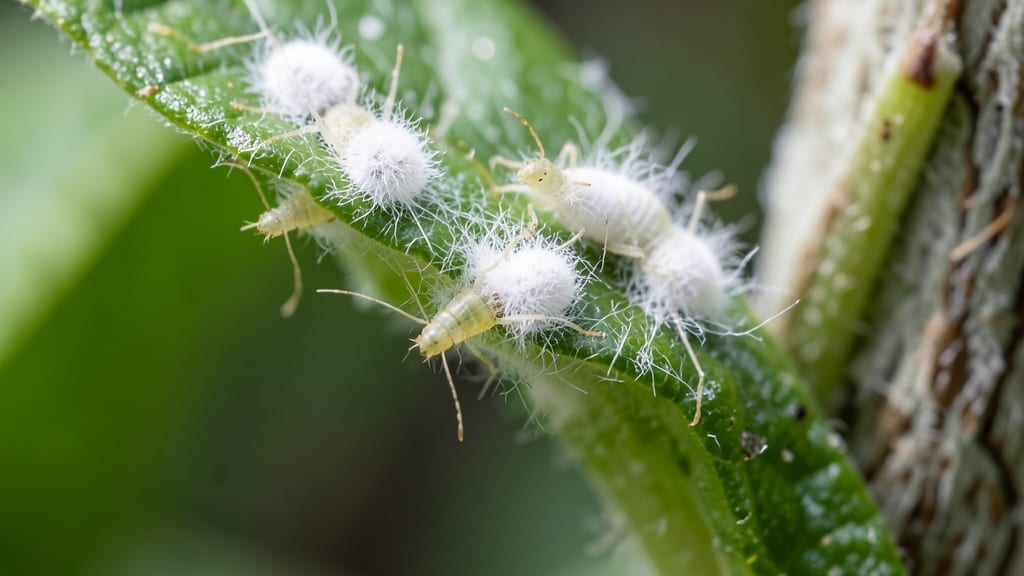
White, fluffy aphids clinging to your indoor plants are worse than an uninvited houseguest—they multiply fast and drain your plants' energy. 🌱 I've battled these pests on my snake plants and ferns, and I've learned the fastest ways to kick them out without harsh chemicals.
The key is acting within 3 days before they take over completely.
These tiny invaders show up when plants are stressed—whether from dry air, overwatering, or lack of light. I once thought my peace lily was dying until I spotted the white cottony clusters on the undersides of leaves.
The good news? They're easy to spot (no microscope needed) and even easier to remove with the right approach.
You'll eliminate them in 3 days using just water, soap, and a few natural helpers like neem oil or ladybugs. No more sticky leaves or wilting plants—just healthy growth and a pest-free home. The secret is consistency: treat once, then monitor closely for signs of return.
This method works for all common houseplants, from succulents to tropicals, and keeps your space safe for pets and kids. Let's get those plants back to thriving without the white fluff ruining the view.
Root Causes of Tiny White Invaders
Those pesky white aphids aren’t just random houseguests—they’re drawn to your indoor plants for specific reasons. Understanding why they show up is the first step to kicking them out for good. Let’s break down the science behind their unwanted visits.
White aphids, particularly woolly aphids or mealybugs, thrive on plants that are already struggling. When your indoor plants are overcrowded, their leaves can’t get enough light or air circulation, creating the perfect cozy spot for pests. Stress from:
- Poor drainage: Soggy roots limit nutrient uptake, weakening the plant’s defenses.
- Overwatering: Too much moisture attracts fungal gnats, which in turn draw aphids (they love the buffet!).
- Nutrient deficiencies: Plants low in nitrogen or phosphorus become easier targets.
💡 Pro Tip: Space out your plants and use well-draining soil to reduce stress. A happy plant is a pest-resistant plant!
Aphids are sap-sucking insects, and they’re particularly fond of plants with:
- High sugar content: New growth, tender leaves, and even over-fertilized plants produce more sap—aphid catnip!
- Weak natural defenses: Some plants, like ferns or ivies, are more aphid-prone because they lack sticky resins or strong-smelling compounds that repel pests.
If your plant is thriving but still getting hit, check your fertilizer. Too much nitrogen (the first number on NPK labels) can make leaves extra sweet and appealing.
White aphids don’t always fly in—they often hitch a ride on:
- New plants: Bringing home a bouquet or a thrifted plant? Inspect it first! Aphids can hide in stems or under leaves.
- Outdoor plants: If you move potted plants in and out of sunny spots, aphids from outside can jump ship.
- Infested tools or hands: Dirty pruners or even your fingers can transfer eggs or nymphs to healthy plants.
🔥 Quick Fix: Quarantine new plants for 2–3 weeks and wipe down tools with rubbing alcohol before use.
Aphids love warmth and humidity—think of them as the tropical vacationers of the insect world. If your home has:
- Poor airflow: Bathrooms, kitchens, or closed rooms trap moisture, creating a greenhouse effect.
- Central heating/AC: Dry air can stress plants, but high humidity (like from shower steam) makes aphids multiply faster.
They also cluster on undersides of leaves or in leaf axils (where the leaf meets the stem) because it’s shady and sticky—like their version of a spa.
Now that you know why these tiny white pests are crashing your plant party, you’re ready to evict them for good. Stay tuned for natural removal methods that work in 3 days or less!
Quick Fixes for Tiny White Invaders
Discovering white aphids—those fluffy, cotton-like pests—on your indoor plants can feel like a nightmare, but don’t panic! These tiny troublemakers thrive in specific conditions, and knowing why they’re there helps you tackle them fast.
Below, we break down the most common causes and the simplest, most effective fixes to reclaim your green space in just three days (or less!).
When plants feel cramped or neglected, they release sticky honeydew—aphids’ favorite snack. Weak foliage also struggles to fight off infestations.
#### 🍳 How to Fix It 1. Prune the Problem Areas 🌿 - Snip off heavily infested leaves or stems with clean scissors. Drop them in soapy water (not your compost!) to prevent reinfestation. - Focus on new growth where aphids love to cluster. 2. Boost Plant Health 💪 - Move the plant to a brighter spot (but avoid direct sun, which can stress leaves). - Water at the soil level, not the leaves, to reduce moisture aphids crave. 3. Isolate & Quarantine 🏠 - Keep infested plants away from healthy ones for 48 hours while treating them.Aphids adore damp, stagnant air. Bathrooms, kitchens, and closed rooms create the perfect breeding ground.
#### 🥘 How to Fix It 1. Increase Air Circulation 🌬️ - Place a small fan nearby (on low) to keep air moving. - Open windows daily (if safe) for 10–15 minutes to refresh the space. 2. Reduce Leaf Moisture 💦 - Wipe leaves gently with a damp cloth to mimic natural rain and deter aphids. - Avoid misting plants—opt for bottom-watering instead. 3. Adjust Humidity Levels 🌡️ - Use a dehumidifier or place a silica gel packet near the plant (check weekly).Some indoor plants (like spider plants or peace lilies) attract aphids if they’ve been treated with synthetic fertilizers or pesticides. Aphids also love the sticky residue left behind by certain sprays.
#### ⏰ How to Fix It 1. Rinse with Neem Oil Solution 🌿 - Mix 1 tsp neem oil + 1 tsp mild soap + 1 quart water in a spray bottle. - Shake well and spray directly on aphids (focus on undersides of leaves). - Reapply every 3–4 days until gone. 2. Switch to Organic Fertilizer 🌱 - Ditch chemical fertilizers—opt for compost tea or fish emulsion to strengthen plants naturally. 3. Wipe Down Leaves 🧼 - Use a 50/50 water-vinegar solution (white vinegar only) on a cloth to remove residue.Once you’ve banished the aphids, lock them out for good with these easy habits:
- 💡 Inspect New Plants – Quarantine any new additions for 2 weeks before introducing them to your collection. - 🎯 Encourage Beneficial Bugs – Ladybugs and lacewings hunt aphids naturally. Place a small dish of water with a drop of honey nearby to attract them. - 🌡️ Monitor Temperature – Keep indoor temps between 65–75°F; aphids thrive in warmer, stuffy conditions. - 🔥 Weekly Leaf Check – Spend 2 minutes flipping leaves to spot early signs of pests before they multiply.With these targeted fixes, your indoor plants will bounce back faster than you think. The key? Act fast, stay consistent, and give your plants the TLC they deserve. No more white fluff ruining your green sanctuary! 🌿✨
Frequently asked questions
Are those white cottony clusters on my plant really aphids?
Yes! Those fluffy white clusters are likely woolly aphids or mealybugs, two common types of white aphids that create cotton-like secretions. They often hide on undersides of leaves or in leaf axils, making them hard to spot at first glance. Check for sticky residue (honeydew) on leaves or near the soil line.
Will my other indoor plants get infected if I don't treat this one?
Aphids spread quickly through direct contact or by flying to nearby plants. Isolate the infested plant immediately and treat it for 3-5 days before reintroducing it to your collection. Check surrounding plants for early signs like curled leaves or white spots on stems.
Can I use dish soap to kill white aphids?
Yes, but use it carefully! Mix 1 teaspoon mild dish soap with 1 quart water and spray directly on aphids (avoid oversaturating soil). Test on a small leaf first—some plants are sensitive. Reapply every 2-3 days until gone. For stubborn cases, combine with neem oil for better results.
Why do my plants keep getting aphids even after treatment?
Recurring infestations usually mean underlying issues like overwatering, poor drainage, or stressed plants. Check your care routine: use well-draining soil, reduce humidity, and ensure proper airflow. Also verify you're treating all affected areas—aphids hide in crevices! Consider companion plants like marigolds to repel future pests.