
Container Gardens
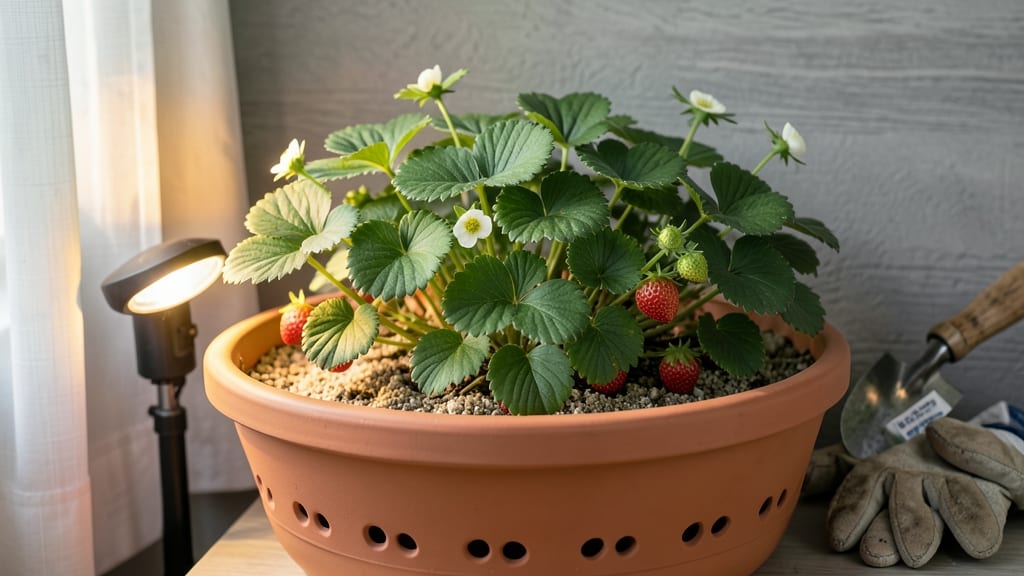
Growing strawberries indoors means sweet, homegrown berries year-round—no greenhouse or backyard needed. 🌱 I learned the hard way that not all varieties thrive inside, but the right setup transforms any sunny windowsill into a productive mini-farm.
The key? Choosing compact, everbearing types like 'Albion' or 'Seascape' and replicating their natural light cycle with artificial grow lights.
You’ll need just three essentials: a 12-inch-deep container with drainage, lightweight potting mix (strawberries hate soggy roots), and a LED grow light that mimics sunlight. Place it 6-12 inches above the plants for 14-16 hours daily—no fancy equipment, just consistent light.
Most beginners overwater; let the top inch dry between waterings, and watch those runners (they’re the plant’s way of saying, "I’m ready to spread!").
By summer’s end, you’ll be harvesting plump, juicy berries that taste fresher than anything from the store. The secret? Pruning runners early to focus energy on fruit production.
Even in small spaces, this method delivers pounds of berries—enough for jam, snacks, or sharing with neighbors who’ll ask, "Where’d you get those?"
Works for apartments, kitchens, or sunrooms—just adjust light height as plants grow. Start small with 2-3 plants to test your setup before expanding. Trust me: the first bite of a homegrown strawberry, picked from your own indoor garden, changes everything.
📚 In This Guide
- What you need
- Instructions
- Tips and common mistakes
- Wrapping up and next steps
What you need
- ● Strawberry plants: 3–5 everbearing or day-neutral varieties (e.g., 'Albion,' 'Seascape,' or 'Ozark Beauty'). Choose potted seedlings (not bare-root) for easier transition.
- ● Containers: 5–10 gallon pots (one per plant) with drainage holes or a self-watering planter (12" deep minimum).
- ○ Fabric grow bags (optional but great for airflow).
- ● Growing medium: 1 part high-quality potting mix + 1 part perlite or coco coir (for drainage and aeration). Avoid garden soil!
- ● Grow lights: LED full-spectrum grow lights (12–16 watts per square foot) or fluorescent T5 HO bulbs (5000K–6500K color temp).
- ● Adjustable light stand (18–24" above plants).
- ● Watering supplies: Watering can with a rose attachment (for gentle watering).
- ● pH testing kit (ideal pH: 5.5–6.5).
- ● Fertilizer: Balanced liquid fertilizer (10-10-10 or 5-5-5) or slow-release granules (follow label instructions).
- ● Pruning shears (for trimming runners and dead leaves).
- ● Humidity tray (pebble tray with water to boost humidity in dry climates).
- ● Thermometer/hygrometer (ideal temp: 60–75°F; humidity: 40–70%).
- ● Support system: Small stakes or cage-like trellises (for everbearing varieties that produce heavy fruit).
- ● Reflective surfaces (aluminum foil or white boards behind plants to maximize light efficiency).
- ● Automatic timer (for grow lights, if you’re away often).
Step-by-Step instructions for growing strawberries indoors
Here's how to coax sweet, plump berries from your windowsill—no greenhouse needed.
🪴 Step 1: Select Containers and Prepare Growing Medium
Choose 4-inch deep containers with drainage holes—strawberries resent soggy roots. I use fabric grow bags for their breathability, but any pot with holes works. Fill each with sterile potting mix (never garden soil—it compacts and invites rot). Mix in 1 part perlite to improve drainage and aeration.
Tap the containers gently to settle the mix without compacting it. The surface should feel like a damp sponge—not wet, not dry. Strawberry roots need air as much as water. For 4 plants, you’ll need about 2 gallons of this mix total, divided evenly among containers.
☀️ Step 2: Position Plants for Optimal Light Exposure
Strawberries demand 12-16 hours of light daily—more than most houseplants. Place your containers under a full-spectrum LED grow light (10,000-20,000K) positioned 6 inches above the plants. If using natural light, a south-facing window with supplemental grow lights during short winter days is ideal.
Watch for leggy growth—stems stretching toward the light with sparse leaves. This means your light is too far away or not bright enough. Adjust the height until foliage stays compact and dark green. Rotate containers quarter-turn weekly to prevent uneven growth toward the light source.
💧 Step 3: Water and Fertilize for Consistent Production
Water when the top inch of soil feels dry—never on a schedule. I use a spray bottle for seedlings and switch to a watering can with a narrow spout once plants establish. Water at the base only to avoid fungal issues on leaves. Strawberries need consistent moisture but hate soggy roots.
Feed every 2 weeks with a balanced liquid fertilizer (10-10-10) diluted to half-strength. Once flowers appear, switch to a low-nitrogen, high-phosphorus formula (5-10-10) to encourage fruiting. Over-fertilizing now leads to leafy growth at the expense of berries—your goal is fruit, not foliage.
✂️ Step 4: Prune and Support for Maximum Yield
Remove weak or crowded runners (those long stems with baby plants) unless you’re propagating. Keep only 2-3 strong runners per plant to avoid overcrowding. Pinch off the first few flowers if your plant is young—this redirects energy to root and foliage growth for a bigger harvest later.
Use small stakes or cages to support plants as berries develop. Heavy fruit can snap stems, especially in containers. I tie main stems to stakes with soft plant ties every 2-3 weeks as growth accelerates. This keeps plants upright and prevents broken canes.
🍓 Step 5: Harvest and Extend the Season
Pick berries when they’re fully red and slightly soft to touch—they won’t ripen further off the plant. Use clean scissors to snip stems, leaving a ¼-inch stub. Harvest in the morning for peak flavor. Store in the fridge for up to 5 days, or freeze whole for later use.
After harvest, prune back yellowing leaves and old growth to encourage new shoots. In winter, reduce watering slightly but keep lights on 14 hours daily. Strawberries are perennial—with proper care, your plants will produce for years, not just one season.
Tips & tricks for perfect indoor strawberry cultivation
Here's what nobody tells you about growing juicy strawberries indoors—tricks that make all the difference between a struggling plant and a thriving harvest.
Lighting Strategy: The 12-16 hours of daily light requirement isn't just about duration—it's about quality. If you notice your plants stretching toward the light with sparse leaves (that classic "leggy growth"), you're dealing with light deprivation. Move your grow light closer until the leaves stay compact and dark green. I've found that adjusting the height every few days keeps plants balanced perfectly. For winter growing, supplement natural light with a timer-controlled LED—consistency matters more than intensity.
Soil Science: That "damp sponge" texture in Step 1 is non-negotiable. Strawberry roots need oxygen as much as water—compacted soil leads to rot. I've learned the hard way that mixing in perlite isn't optional; it's the difference between thriving plants and struggling ones. Pro tip: If your potting mix feels too dense, add an extra 10% perlite or vermiculite. And always use sterile mix—garden soil brings unwanted pathogens that can devastate your plants.
Fertilizer Timing: The switch from 10-10-10 to 5-10-10 fertilizer is critical when flowers appear, but timing matters just as much. I've seen beginners over-fertilize right as buds form, which leads to excessive leaf growth at the expense of fruit. The secret is to make that switch when you see the first flower buds appear—not before. And always dilute to half-strength; strawberries are sensitive to salt buildup from concentrated fertilizers.
Pruning Precision: When it comes to those first few flowers in Step 4, don't guess—pinch them off when they're still tight buds, about the size of a pea. This might feel counterintuitive, but it forces the plant to focus energy on establishing strong roots and foliage first. I've had plants that produced tiny berries early only to collapse later from weak stems. The wait pays off with bigger, sweeter berries down the line.
Pro Tips for Growing Strawberries Indoors
- Here's what nobody tells you about growing juicy strawberries indoors—tricks that make all the difference between a struggling plant and a thriving harvest.
- Lighting Strategy: The 12-16 hours of daily light requirement isn't just about duration—it's about quality.
- Soil Science: That "damp sponge" texture in Step 1 is non-negotiable.
Frequently asked questions
Got curious questions about growing strawberries indoors? You’re not alone! Here are some of the most common queries—plus straightforward answers to help you crush your indoor harvest.
Can I grow strawberries indoors year-round?
With the right setup—like grow lights, proper ventilation, and a consistent 14–16 hours of light daily—you can enjoy fresh strawberries anytime. Just pick compact varieties (e.g., ‘Alpine’ or ‘Seascape’) and keep temps between 60–75°F for best results.
How long does it take for indoor strawberries to fruit?
Patience pays off! Indoor strawberries typically take 3–6 months to bear fruit after planting, depending on the variety and growing conditions. Dwarf or everbearing types (like ‘Ostara’) often fruit faster than June-bearing ones. Speed things up with balanced fertilizer and pruning.
What’s the best light for indoor strawberries?
LED grow lights (full-spectrum or red/blue combo) are your best bet—they’re energy-efficient and mimic sunlight. Place lights 6–12 inches above plants and adjust height as they grow. Skip cheap bulbs; they won’t deliver the spectrum strawberries need for sweet, vibrant fruit.
Why aren’t my indoor strawberries ripening?
Blame it on one (or all!) of these: insufficient light (move closer to the bulb), low humidity (use a pebble tray), or nutrient deficiencies (switch to a bloom-boosting fertilizer). Check for pests too—spider mites love dry indoor air! A quick wipe-down with soapy water can save your plants.
Can I grow strawberries indoors without a greenhouse?
No greenhouse? No problem! Use a sunny windowsill (south-facing is ideal) or a grow tent with artificial lights. Just ensure your space stays consistently warm and well-ventilated. Containers with drainage holes and a light, airy potting mix work wonders—no fancy setup required!
Wrapping up and next steps
Growing strawberries indoors isn’t just a creative challenge—it’s a rewarding way to enjoy fresh, homegrown fruit year-round! With the right setup, patience, and a little artificial light magic, you’ll be savoring sweet, juicy berries straight from your windowsill or grow space. 🌱✨
Ready to take the next step? Start small—pick a variety, gather your supplies, and let your green thumb shine! Whether you’re a seasoned gardener or a curious beginner, your indoor strawberry adventure begins now. Happy growing!