Tools
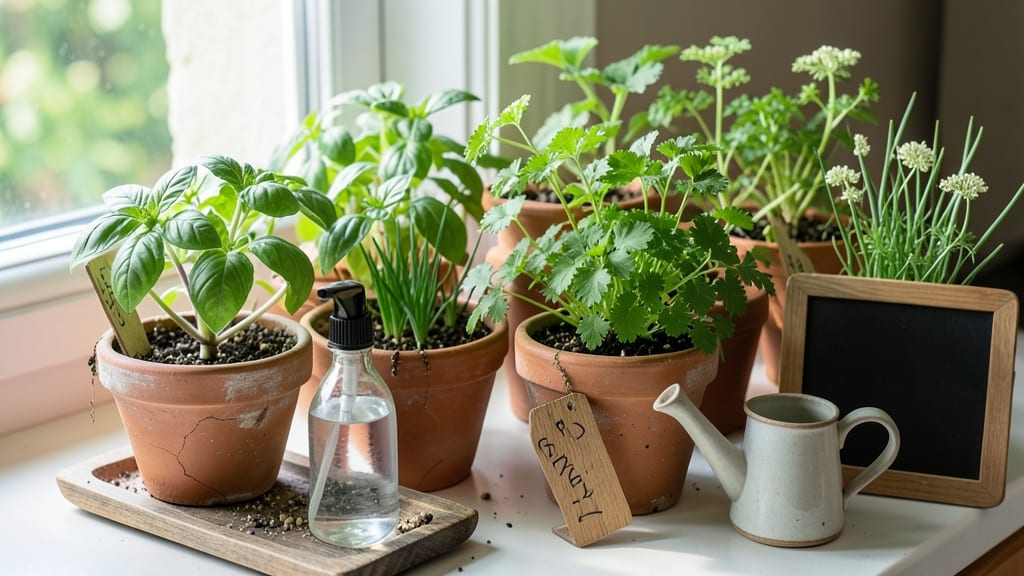
Building a DIY indoor herb garden is simple when you focus on space-efficient setups, proper lighting, and easy-care plants that thrive indoors. Use small pots with drainage holes, quality potting mix, and place near bright indirect light for 6-8 hours daily, starting with herbs like basil, mint, and parsley.
Starting an indoor herb garden doesn't require a green thumb—just the right conditions. 🌱 The key is mimicking natural sunlight with either a south-facing window or LED grow lights (12-16 inches above plants), which prevent leggy growth.
I've found that herbs with similar light and water needs—like thyme and oregano—can share containers, saving space. For beginners, self-watering planters with moisture sensors eliminate guesswork, while vertical wall gardens maximize tiny kitchens or apartments.
Just remember: overwatering is the #1 killer of indoor herbs, so always check soil moisture before adding more water.
Once your setup is in place, maintenance becomes a breeze. Most herbs need watering when the top inch of soil feels dry, and a light misting every few days helps maintain humidity. 💧 Pruning regularly encourages bushier growth, and rotating plants weekly ensures even light exposure.
With these simple steps, you'll have fresh herbs year-round—no outdoor space required!
💡 In This Article
- Choosing the Best Herbs and Containers for Small Spaces
- DIY Indoor Herb Garden Lighting and Maintenance Tips
Choosing the best herbs and containers for small spaces
Not all herbs thrive equally indoors, so selecting the right varieties is critical. Herbs like basil, parsley, and cilantro grow well in bright indoor conditions because they naturally adapt to partial shade in their native Mediterranean climates.
These plants prefer 6-8 hours of light daily and tolerate moderate humidity, making them perfect for kitchen windowsills.
In contrast, herbs like rosemary and thyme need even more light (10+ hours) and can become leggy or weak without proper exposure, which is why they're better suited for dedicated grow lights.
The container you choose directly impacts growth and health. Terracotta pots are excellent for herbs like basil because their porous nature helps regulate moisture and prevent root rot—critical since indoor environments often have lower airflow.
For moisture-loving herbs like mint or parsley, opt for plastic containers with drainage holes to retain humidity while preventing soggy roots.
Size matters too: a 6-inch diameter pot works for single plants, while larger 10-12 inch containers can accommodate multiple herbs like thyme, oregano, and chives together, saving precious counter space. 🌿
Vertical gardening is a game-changer for small spaces, allowing you to maximize wall real estate. Wall-mounted planters or hanging pockets let you grow herbs like basil or mint in tight spots, while tiered shelves create vertical layers for different light needs.
Self-watering systems, like those with built-in reservoirs, eliminate the guesswork of watering schedules—ideal for busy beginners. These systems release moisture gradually, keeping soil consistently damp without over-saturating roots, which is especially helpful for herbs sensitive to water fluctuations like dill or parsley.
One common mistake is ignoring drainage—without it, roots suffocate and herbs develop fungal diseases. Always pair containers with well-draining potting mix designed for herbs, which typically blends 50% peat or coco coir, 30% perlite or vermiculite, and 20% compost.
This mix ensures excess water drains quickly while retaining enough moisture for roots. For herbs like rosemary, which prefer drier conditions, add extra perlite to the mix to mimic their native rocky soils. 💧
Consider the growth habit of your herbs when arranging containers. Trailing plants like basil or chives benefit from hanging pots, while bushier herbs like thyme or oregano thrive in shallow, wide containers. Grouping herbs with similar needs together—such as placing parsley (moisture-loving) near mint (also moisture-tolerant)—creates microclimates that reduce maintenance.
This clustering also makes it easier to monitor watering and light exposure for the entire group.
For beginners, start with a mix of 3-4 herbs in separate containers before expanding. This approach lets you observe how each plant responds to your indoor conditions without overwhelming your space.
Over time, you can experiment with companion planting—like pairing basil with tomatoes (if you have indoor tomato plants) to naturally repel pests and enhance flavor. The key is patience: most herbs take 4-6 weeks to establish strong roots and 8-12 weeks to reach full flavor potential indoors. 🌱