
Plants
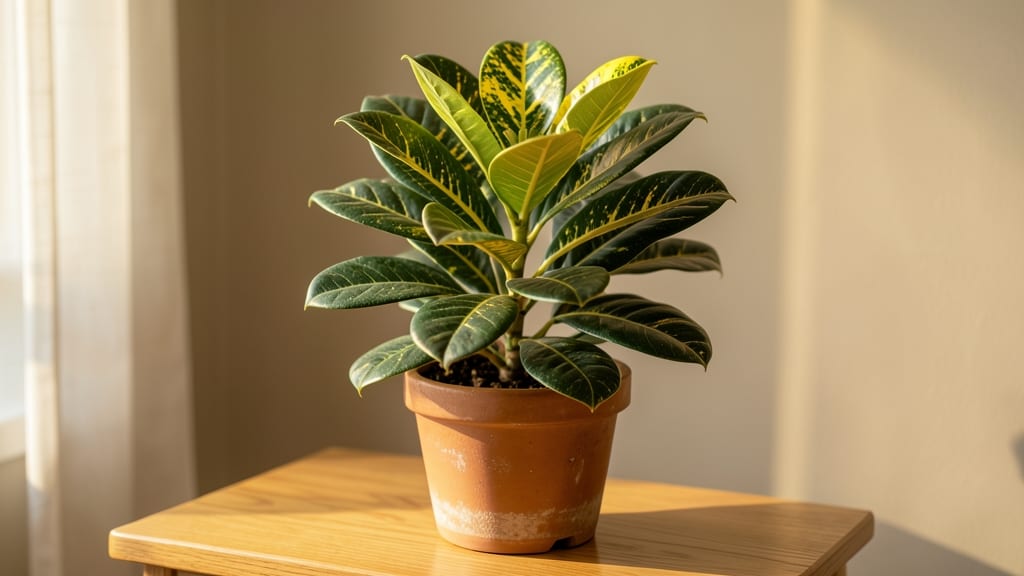
For the Croton Gold Dust plant, indoor or outdoor placement requires different approaches: indoors, it needs bright indirect light and moderate humidity, while outdoors it thrives in partial shade with wind protection and steady moisture. Indoor care controls conditions precisely, while outdoor care adapts to seasonal shifts and pest threats.
The key difference lies in how these environments affect your plant's health. Indoors, you can precisely control light intensity and humidity levels—using grow lights or a pebble tray to maintain ideal conditions.
Outdoors, your Croton Gold Dust will develop more vibrant variegation in partial shade but needs shelter from strong winds that can damage its delicate leaves. 🌿 I've found that indoor plants often grow faster with consistent care, while outdoor plants develop hardier foliage when properly protected.
Seasonal transitions are critical for outdoor Croton Gold Dust plants. Moving them indoors before the first frost prevents cold damage, while gradual acclimation helps them adjust to indoor light conditions. Indoor plants, meanwhile, may need occasional outdoor time in spring/summer to prevent legginess from insufficient natural light.
💡 In This Article
- Light, Temperature, and Humidity Needs for Croton Gold Dust
- Potting, Soil, and Seasonal Care Tips for Indoor vs. Outdoor Croton
Light, temperature, and humidity needs for Croton Gold Dust
The Croton Gold Dust plant's vibrant variegation—those striking gold and green patterns—is directly tied to light exposure. Indoors, this plant thrives under bright, indirect light, ideally within 3-5 feet of an east or west-facing window.
Direct sunlight can scorch its delicate leaves, causing brown patches, while too little light leads to pale, stretched-out foliage. 🌞 Outdoors, it prefers partial shade (30-50% sunlight), particularly in hot climates where afternoon sun can exceed 85°F and damage the leaves.
Temperature ranges are surprisingly flexible for this tropical plant, but consistency matters. Indoors, maintain 65-75°F during the day and no lower than 55°F at night. Outdoors, it handles 50-90°F ranges but struggles below 50°F, which slows growth and dulls its variegation.
Humidity is where indoor care shines—this plant craves 50-60% humidity. Indoors, use a humidifier or place the pot on a pebble tray with water to mimic its tropical origins. Outdoors, morning dew and regular misting help maintain these levels.
Leaf variegation actually intensifies with proper light exposure. The golden patterns come from chlorophyll distribution, which thrives under moderate to bright indirect light. Too little light reduces chlorophyll production, making leaves lose their vibrant contrast.
I've noticed indoor plants develop more pronounced variegation when rotated weekly to ensure even light exposure. Outdoors, the natural light spectrum enhances the gold tones, but afternoon shade prevents leaf burn during peak sun hours.
Signs of stress reveal these needs clearly. Brown leaf edges or crispy tips indicate low humidity or overwatering, while yellowing leaves suggest too much direct sun or poor drainage.
Outdoors, wind damage appears as torn or curled leaves—always protect outdoor plants with a lightweight mesh screen if winds exceed 10 mph. Temperature drops below 50°F cause leaf drop, while heatwaves above 90°F lead to wilting despite adequate water.
Seasonal adjustments are key for outdoor plants. In spring, gradually introduce them to outdoor conditions over 2-3 weeks to prevent shock. During summer, provide afternoon shade if temperatures exceed 85°F. In fall, monitor for early frost signs and move plants indoors before temperatures drop below 55°F at night.
Indoors, supplement with a grow light (4000-6500K spectrum) during winter months when natural light is scarce.
The biggest mistake I see is assuming "more light is better"—direct sun actually bleaches the leaves and reduces variegation. The sweet spot is bright but diffused light, whether from a sheer curtain-filtered window or a dappled outdoor spot under a tree canopy.
This balance keeps your Croton Gold Dust thriving year-round, whether indoors or out. 💛