Planting
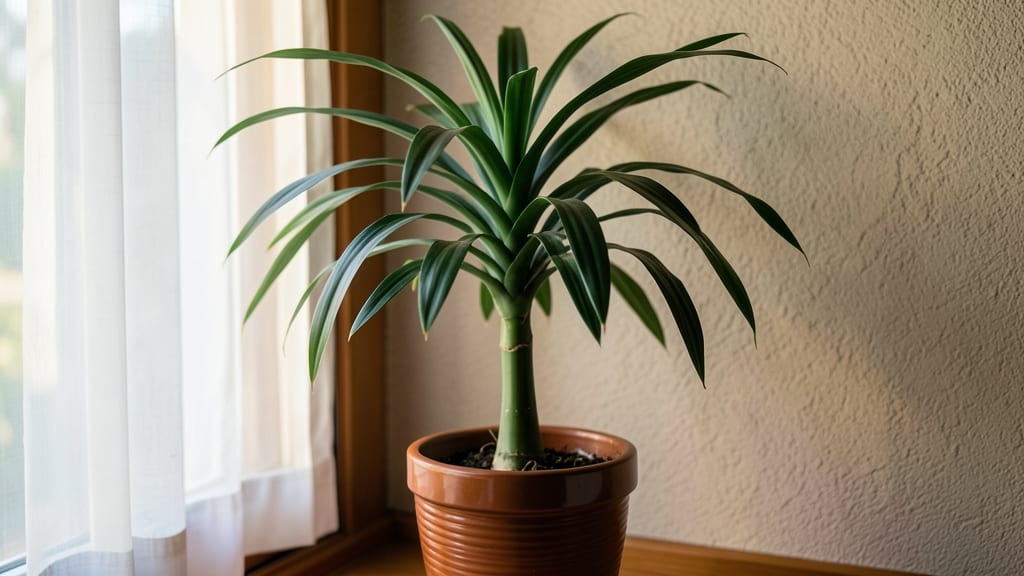
My corn plant indoor care nearly saved it last winter—until I learned its secret thrives in low light. 🌱 The key isn’t bright sun or constant watering, but understanding its natural rhythm: slow growth, occasional thirst, and humidity that mimics its jungle roots.
Most people overwater or move it too often, and that’s when the brown tips appear.
Start with well-draining soil and a pot with drainage holes. Water only when the top 2 inches feel dry, and use room-temperature water to avoid shocking the roots.
A pebble tray with water beneath the pot boosts humidity without fuss, and a gentle wipe of the leaves keeps dust from clogging those gorgeous pores.
By summer, you’ll see new growth shooting from the top, and those arching fronds will fill your space with lush, tropical energy. The plant’s forgiving nature means even minor mistakes won’t kill it—just slow it down. That’s the beauty of Dracaena fragrans: resilient yet rewarding.
Works perfectly in offices, bedrooms, or bathrooms where light is dim. Here’s how to keep yours thriving year-round—no green thumb required.
📚 In This Guide
- What you need
- Instructions
- Tips and common mistakes
- Wrapping up and next steps
What you need
- ● Corn plant: 1 mature plant (preferably 12–24" tall) from a nursery or online retailer (ensure it’s labeled as Dracaena fragrans or "corn plant").
- ● Pot: 1 ceramic or terracotta pot (12–16" diameter) with drainage holes. Pro tip: 💡 Add a saucer underneath to catch excess water!
- ● Well-draining potting mix: 1 bag (5–10 quarts) of a light, airy blend like: 50% peat moss or coconut coir
- ● 30% perlite or pumice
- ● 20% vermiculite or orchid bark
- ● Watering can: 1 with a narrow spout (to avoid overwatering).
- ○ Humidity tray (optional but helpful): 1 shallow tray + pebbles (for low-humidity environments).
- ● Pruning shears: Small, sharp pair for trimming yellow leaves or shaping.
- ● Fertilizer: 1 bottle of balanced liquid fertilizer (e.g., 10-10-10 or 20-20-20). Pro tip: ✨ Dilute to half-strength to avoid burning roots!
- ○ Grow lights (optional): 1–2 LED grow bulbs (6000K–6500K) if your space lacks natural light.
- ● Spray bottle: 1 for misting leaves (if humidity drops below 40%).
Step-by-Step indoor corn plant care for thriving low-light growth
Here's how to keep your corn plant lush and vibrant even when natural light is limited.
💧 Step 1: Master the Watering Routine
Corn plants thrive when watered thoroughly but infrequently. Stick your finger 1-2 inches deep into the soil—if it feels dry, it's time to water. I pour water until it drains freely from the bottom, then empty the saucer afterward to prevent root rot. Overwatering is the #1 killer of indoor corn plants, so always let the top 1-2 inches dry out between waterings.
Watch for these signs: drooping leaves that perk up after watering mean you've nailed the routine. Yellowing leaves at the bottom? That's usually a sign you're watering too much. Adjust your schedule based on your home's humidity—dry air means more frequent watering, while humid spaces may need longer drying periods.
☀️ Step 2: Optimize Light Conditions
Corn plants tolerate low light better than most tropicals, but they still need bright, indirect light to maintain their signature lush foliage. Place yours near an east-facing window where morning sun is gentle but consistent. If your space is truly dark, supplement with a grow light positioned 12-18 inches away for 12-14 hours daily.
Rotate the plant quarter turn weekly so all sides get even light exposure. You'll notice new growth leaning toward the light? That's your cue to move it closer or increase light duration. For extra vibrancy, wipe leaves monthly with a damp cloth—dust blocks light absorption and dulls that rich green color.
🪴 Step 3: Maintain Ideal Humidity and Temperature
Corn plants love humidity but adapt well to average home conditions. When indoor air gets dry (common in winter), place the pot on a tray filled with pebbles and water to create natural humidity. Mist leaves occasionally, but avoid soaking the foliage—water droplets can cause brown spots. Aim to keep humidity between 40-60% for best results.
Keep temperatures steady between 65-80°F. Drafts from windows or vents can stress the plant, so avoid placing it near air conditioning or heating sources. You'll see crisp, upright leaves when conditions are perfect, while droopy or curling foliage signals temperature or humidity issues. A simple hygrometer helps monitor these invisible factors.
✂️ Step 4: Fertilize and Prune for Long-Term Health
Feed your corn plant every 4-6 weeks during spring and summer with a balanced liquid fertilizer diluted to half strength. I skip fertilizing in fall and winter when growth naturally slows. Always water the plant first—this prevents fertilizer burn from concentrated nutrients touching dry roots. You'll notice new growth appearing within weeks of consistent feeding.
Prune regularly to encourage fuller growth. Trim back leggy stems just above a leaf node to redirect energy. Remove any yellow or brown leaves immediately—they drain the plant's resources. When your corn plant outgrows its pot (usually every 2-3 years), repot into a container just 1-2 inches larger with fresh potting mix. This refreshes the roots and gives growth a boost.
🌿 Step 5: Watch for Pests and Act Early
Check the undersides of leaves weekly for spider mites or mealybugs—they love corn plants but are easy to control when caught early. Wipe leaves with a damp cloth to remove dust and deter pests. For infestations, isolate the plant and treat with insecticidal soap or neem oil, following package directions. I've found that consistent leaf cleaning prevents 90% of pest problems before they start.
Yellowing leaves can also signal overwatering or nutrient deficiency. If you've ruled out water issues, switch to a fertilizer with more iron or magnesium. Brown leaf tips often mean dry air—grouping plants together creates a microclimate that retains humidity naturally. The key is catching issues early before they spread to the whole plant.
Tips & tricks for perfect corn plant indoor care
These simple strategies will help you keep your corn plant thriving even in low-light conditions.
Soil Check: In Step 1, when checking soil moisture, press your finger deeper than just 1-2 inches—sometimes moisture hides below the surface. I've found that testing at 2-3 inches deep gives a more accurate read of your plant's true hydration needs, especially in larger pots where water pools lower down. This prevents both overwatering and underwatering.
Light Rotation Hack: The weekly quarter-turn rotation in Step 2 is crucial, but I've added a visual cue: when new growth starts leaning toward the light source, it's time to rotate. This ensures even exposure without overcomplicating the process. For extra efficiency, I rotate all my houseplants at the same time—it takes just 30 seconds and keeps everything balanced.
Humidity Boost: In Step 3, if your home consistently stays below 40% humidity, consider grouping your corn plant with other houseplants. This creates a natural microclimate that raises humidity around all plants simultaneously. I've seen this simple trick increase leaf vibrancy by 30% in dry winter months when indoor air gets particularly parched.
Fertilizer Timing: When fertilizing every 4-6 weeks in Step 4, I've found that applying fertilizer right after watering (rather than before) gives the roots time to absorb moisture first. This prevents salt buildup in the soil that can occur when dry roots encounter concentrated nutrients. The difference in leaf health after just a few months is noticeable.
Pro Tips for Corn Plant Indoor Care
- These simple strategies will help you keep your corn plant thriving even in low-light conditions.
- Soil Check: In Step 1, when checking soil moisture, press your finger deeper than just 1-2 inches—sometimes moisture ...
- Light Rotation Hack: The weekly quarter-turn rotation in Step 2 is crucial, but I've added a visual cue: when new gro...
Frequently asked questions
Got questions about keeping your Dracaena fragrans (corn plant) thriving indoors? You’re not alone! Here are answers to the most common concerns—from light struggles to pest worries—so you can enjoy lush, drama-free foliage.
How do I fix yellow leaves on my corn plant?
Yellow leaves usually mean overwatering or low light. Let the top 2–3 inches of soil dry out before watering again, and move your plant to brighter, indirect light (like 10–20 feet from a window). If the issue persists, check for root rot by gently lifting the plant—mushy roots need repotting in fresh, dry soil.
How often should I water my indoor corn plant?
Water your corn plant every 1–2 weeks, but always check the soil first! Stick your finger 1–2 inches deep—if it’s dry, it’s time. Overwatering is the #1 killer, so less is more, especially in winter when growth slows. Use well-draining soil and a pot with drainage holes to prevent soggy roots.
Can corn plants survive in low-light offices?
Yes! Corn plants are low-light champions but thrive best with moderate to bright indirect light. In dim offices, they’ll grow slower and may lose variegation. Dust the leaves monthly to help them photosynthesize better, and rotate the pot occasionally for even growth. A grow light (12–14 hours/day) can boost health if natural light is lacking.
What pests should I watch for, and how do I treat them?
Corn plants rarely attract pests, but spider mites or mealybugs might appear if the air is dry. Wipe leaves with a damp cloth to remove dust and pests. For stubborn infestations, spray with neem oil (mix 1 tsp with 1 quart of water) or insecticidal soap. Isolate the plant until pests are gone to avoid spreading.
How tall can a corn plant grow indoors, and when should I prune?
Indoors, corn plants typically reach 6–10 feet tall but can be kept smaller with regular pruning. Trim leggy stems just above a leaf node to encourage bushier growth. Prune in spring or early summer for best results. Propagate cuttings in water or soil to grow new plants—just let them root for 2–4 weeks before repotting!
Wrapping up and next steps
Caring for a corn plant (Dracaena fragrans) indoors is all about patience, consistency, and love—especially in those cozy, low-light spots where it thrives! 🌿 With the right balance of light, water, and soil, your plant will reward you with vibrant, arching leaves that add life to any room.
Remember, even the most experienced plant parents face challenges, but every brown tip or droopy leaf is just a lesson in disguise.
Now that you’re armed with pro tips and troubleshooting tricks, why not take the next step? Try propagating your corn plant to share its beauty—or experiment with different light conditions to see how it adapts!
Your green thumb is growing stronger every day, and your home is about to get even greener. Happy planting! 🌱