
Planting
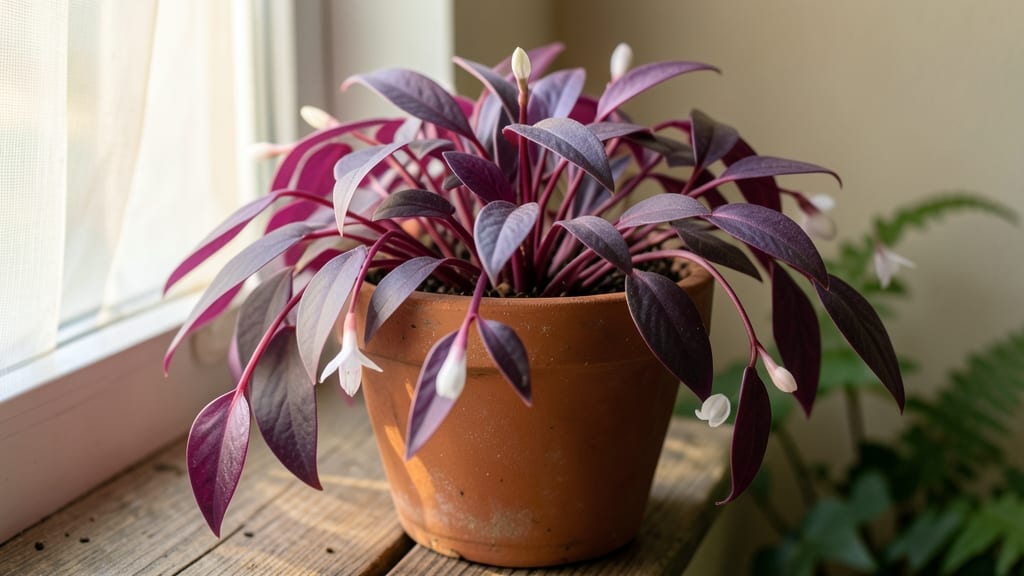
The purple heart plant grows beautifully both indoors and outdoors, thriving with bright, indirect light and well-draining soil. It handles containers or garden beds but requires regular watering and winter protection for outdoor plants.
The purple heart plant's adaptability makes it a favorite for gardeners with limited space or varying climates. 🌿 Indoors, it flourishes near east- or west-facing windows where sunlight is gentle but abundant, while outdoors it loves full sun with afternoon shade in hotter regions.
The key is avoiding soggy soil—its roots need excellent drainage whether in pots or garden beds. I've seen this plant rebound from neglect, but consistent moisture keeps its signature vibrant foliage at its best.
For outdoor growing, winter care is critical. While it tolerates heat well, temperatures below 40°F can damage the plant, so moving containers indoors or providing frost protection is essential. Many gardeners use mulch or row covers to extend the outdoor season.
The plant's ability to bounce back from pruning also makes it perfect for shaping into hedges or topiary, whether indoors or out.
💡 In This Article
- Light and Temperature Requirements for Purple Heart Plants
- Container Gardening vs. Garden Bed Planting for Purple Heart
Light and temperature requirements for purple heart plants
The purple heart plant (Tradescantia pallida) thrives under bright, indirect light, but its growth habits shift dramatically between indoor and outdoor environments. Indoors, it loves east- or west-facing windows where it receives 4-6 hours of filtered sunlight daily.
Direct midday sun indoors can scorch its leaves, causing crispy brown edges—something I’ve seen firsthand when placing it too close to south-facing windows. Outdoors, it handles full sun exposure (6+ hours) but may develop a more intense purple hue when given afternoon shade in hot climates like Arizona or Florida.
Temperature preferences are equally critical. This tropical plant prefers warmth, with ideal indoor temperatures between 65-75°F. Below 50°F, growth slows dramatically, and leaves may turn yellow or drop. Outdoors, it tolerates summer heat well but struggles in winter.
When nighttime temperatures dip below 40°F, the plant enters dormancy, and prolonged exposure can kill it. I’ve successfully overwintered outdoor purple heart plants by moving them to a garage or covered porch until spring, where temperatures stay above 50°F. 🌡️
Humidity plays a hidden role in its success. Indoor environments often have dry air, especially in winter, which can cause leaf edges to crisp. A simple fix is misting the leaves or placing the pot on a pebble tray with water.
Outdoors, the plant naturally adapts to varying humidity levels, but container-grown specimens benefit from occasional deep watering to mimic soil moisture levels in garden beds. The key is to keep the soil consistently moist but never soggy—root rot is a common issue when drainage is poor.
Seasonal adjustments are essential for outdoor cultivation. In spring and fall, purple heart plants grow rapidly, requiring weekly watering and occasional fertilization with a balanced 10-10-10 mix. During summer, I’ve found that watering every 2-3 days is necessary, especially in containers, as they dry out faster than garden beds.
The plant’s deep green leaves turn a striking purple when stressed by heat or drought, but this is reversible with proper care. 💜
For indoor growers, artificial grow lights can supplement natural light, especially in north-facing rooms. LED grow lights with a 6500K color temperature mimic sunlight and encourage lush growth. Place the light 12-18 inches above the plant and provide 12-14 hours of light daily to prevent leggy growth.
The plant’s ability to thrive under these conditions makes it a low-maintenance choice for busy plant parents.
One surprising fact is how purple heart plants respond to temperature fluctuations. Unlike many tropical plants, they can tolerate brief exposure to 80-90°F temperatures, making them great for patios or balconies. However, sudden temperature drops—like a cold front—can shock the plant, leading to leaf drop.
To prevent this, I recommend acclimating outdoor plants gradually by moving them to a sheltered spot before the first frost. 🌿