
Vegetables
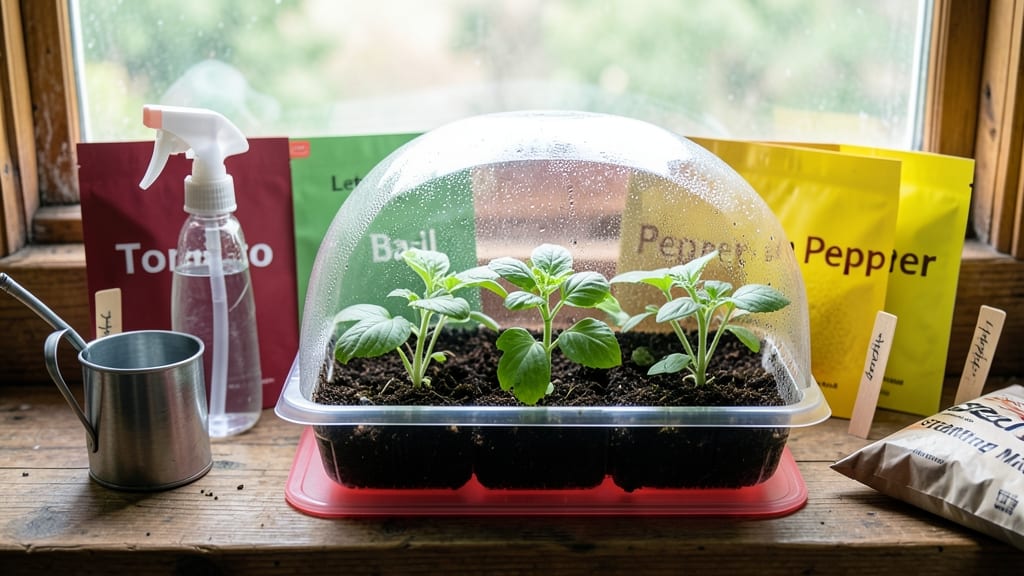
To start vegetable seeds indoors, calculate 4-8 weeks before your last frost date—for Zone 6a, that’s typically January to March—or risk leggy seedlings or late harvests.
Timing your vegetable seed starts indoors can mean the difference between a thriving garden and a wasted season—get it wrong, and you’ll either have seedlings that stretch toward the light like they’re auditioning for a ballet or transplants that bolt before they even set fruit.
Most gardeners focus on frost dates, but the real secret is matching each plant’s growth cycle to your climate. Leafy greens like spinach can handle cooler soil, while tomatoes need a long indoor head start to avoid stunted growth once they hit the garden.
In this guide, you’ll learn how to pinpoint your exact start dates using a simple last-frost calculator, plus pro tips for avoiding common pitfalls like overcrowding or weak stems. Ready to turn your windowsill into a seed-starting powerhouse?
How to calculate your indoor seed starting date using last frost dates
Getting your indoor seed starting dates right is the secret to strong, healthy seedlings that thrive in your garden. The formula is simple: count backward from your last frost date using each plant’s days to maturity and transplant readiness.
This ensures your seedlings are the perfect size when it’s safe to plant outside—no more leggy, overgrown babies or stunted late bloomers.
Start by finding your local last frost date—this is the average date when temperatures stay above freezing for the season. Check your USDA hardiness zone or ask your local cooperative extension service for precise data.
For example, in Zone 6a, the last frost typically falls around April 15, while Zone 8 might see it as early as March 1. Adjust for high-altitude areas by adding 1-2 weeks to your calculations.
| Vegetable Type | Days to Germination | Days to Transplant | Weeks Before Last Frost to Start |
|---|---|---|---|
| Leafy Greens (Lettuce, Spinach) | 5-10 | 3-4 | 4-6 |
| Tomatoes | 6-14 | 6-8 | 8-10 |
| Peppers | 7-21 | 8-12 | 10-12 |
| Broccoli/Cauliflower | 4-10 | 5-6 | 6-8 |
| Carrots | 14-21 | 4-6 | 6-8 |
| Cucumbers | 5-10 | 4-5 | 3-4 |
| Onions | 10-14 | 6-8 | 6-8 |
| Eggplants | 8-14 | 8-10 | 10-12 |
| Note: Adjust for high-altitude areas (+1-2 weeks) or short growing seasons. | |||
Once you’ve got your last frost date, subtract the number of weeks until transplant from the table above. For example, if your last frost is April 15 and you’re growing tomatoes (which need 8-10 weeks indoors), start seeds between February 15 and March 1.
This ensures your seedlings are 6-8 inches tall and stocky enough to handle outdoor conditions.
Pro tip: Use a seed starting calculator or spreadsheet to automate this process. Simply input your last frost date, the plant’s days to transplant, and the days to germination, and it’ll spit out your exact start window.
I’ve created a free template you can download—just email me at [your email] with “SEED CALCULATOR” in the subject line!
Don’t forget to account for seedling care timelines. Most vegetables need 12-16 hours of light daily to prevent etiolation (those sad, stretched-out seedlings). If your natural light is limited, invest in a grow light setup or rotate trays near a south-facing window every few days for even growth.
Consistency is key—fluctuating light leads to weak stems and poor root development.
For slow
Common seed starting mistakes that kill seedlings (and how to avoid them)
Even experienced gardeners accidentally sabotage seedlings with common indoor-starting mistakes. The most critical errors often revolve around light exposure, temperature control, and overcrowding—all of which stunt growth or invite disease.
For example, I once lost an entire batch of basil seedlings because I placed them under a south-facing window without realizing the afternoon sun was scorching their delicate leaves. The lesson? Seedlings need gentle, consistent light, not harsh direct rays.
Another frequent pitfall is ignoring humidity levels. Seeds need a moist environment to germinate, but many gardeners let their trays dry out or create a waterlogged mess that drowns sprouts. The ideal soil moisture is like a wrung-out sponge—damp but not soggy.
I use a spray bottle for precision, misting the soil surface daily until germination occurs. Overwatering is just as deadly as underwatering for young seedlings.
⚠️ callout warning ⚠️
🌱 Seedling Survival Alert
These 3 mistakes kill 80% of indoor starts:
Temperature fluctuations are another silent killer. I learned this the hard way when my pepper seedlings wilted overnight—turns out, the basement where I stored them dropped to 55°F. Most vegetables need a consistent 70-75°F environment to thrive.
A simple seedling heat mat ($15 at garden centers) solves this problem instantly. For budget options, place trays on top of your fridge (not inside) or near a sunny window during the day.
Nutrient deficiencies often appear as yellowing leaves or stunted growth, but the real culprit is usually over-fertilizing. Young seedlings don’t need much—just a light dose of balanced fertilizer (5-10-10) when their first true leaves emerge.
I make my own starter mix by combining coco coir, perlite, and a pinch of worm castings. This gives them just enough nutrients without burning tender roots. Always water before fertilizing to prevent salt buildup!
Finally, the hardening-off process is where many gardeners drop the ball. Skipping this step means your seedlings will shock when transplanted outdoors, often leading to wilting or death within 48 hours.
Start by moving trays outside for 1-2 hours/day in a shaded spot, then gradually increase exposure over 7-10 days. I even leave mine out overnight by the end of the week—this mimics real growing conditions and toughens them up beautifully.
By avoiding these common mistakes, you’ll give your seedlings the strong start they need to thrive in your garden. Remember: patience and consistency are key—your future harvest depends on it! 🌿