
How To
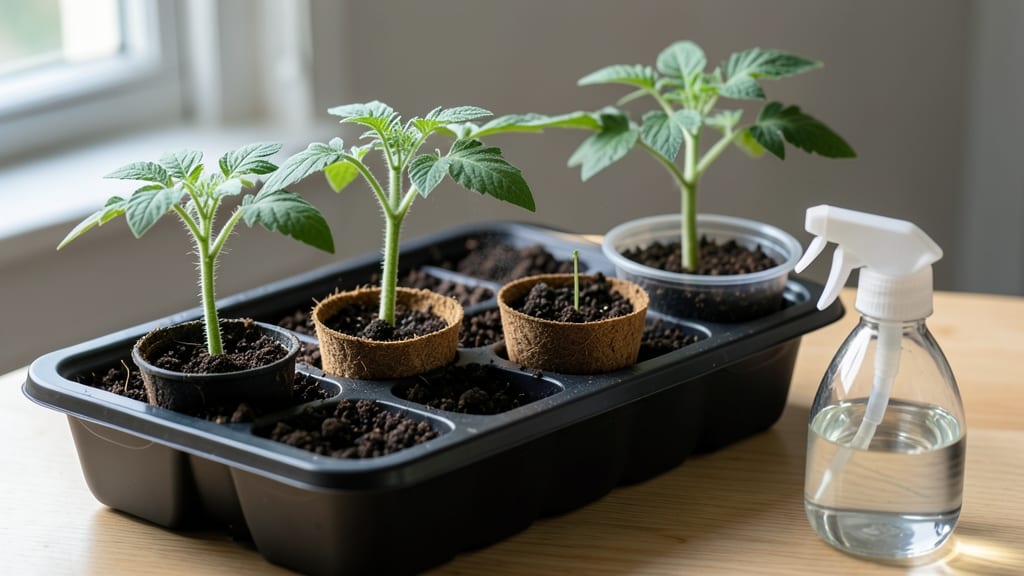
Starting tomatoes indoors in Zone 7 6-8 weeks before your last frost is the secret to healthy, vigorous transplants that hit the garden floor ready to thrive.
Picture this: you’ve got your seed trays lined up, the grow lights are humming, and you’re counting down the days—only to watch your seedlings stretch like overcaffeinated teenagers because you started too early.
Or worse, you wait too long, and the first frost nips them before they’ve even set fruit. Timing is everything, and in Zone 7, getting it wrong can mean the difference between a bountiful harvest and a sad, leggy disappointment.
Most gardeners in Zone 7 aim to transplant their tomato seedlings around March 1, give or take a few days. But here’s the catch: not all tomato varieties mature at the same speed. A 60-day cherry tomato needs a very different start window than a 90-day heirloom beefsteak.
And if you’re dealing with a late spring or an early frost warning, you’ll want to adjust your schedule—because nothing ruins a garden day like a frost-killed transplant.
In this guide, I’ll walk you through the exact frost-date formula for Zone 7, how to tweak your start time based on your tomato variety, and the critical steps to keep your seedlings strong from seed to soil.
By the end, you’ll know exactly when to start those seeds so your 🍅 plants are ready to take over your garden—and your dinner plate—come summer.
Zone 7 frost-date formula: exact weeks to start tomatoes indoors for success
Timing your tomato seeds correctly in Zone 7 ensures strong, healthy seedlings ready for transplant just before the last frost. The key is calculating 6-8 weeks before your average last frost date, which typically falls around April 15 in most Zone 7 regions.
Starting too early risks leggy, overgrown seedlings, while starting too late leaves them vulnerable to late spring frosts that can kill tender young plants.
My formula combines three critical factors: your local last frost date, the days to maturity of your tomato variety, and the 4-6 weeks needed for hardening off seedlings before transplant.
For example, if your last frost is April 15, you’d start seeds between February 20 and March 5 for most varieties. This window accounts for both early and late bloomers in your garden.
Here’s the breakdown: subtract 8 weeks for early varieties (like ‘Early Girl’ at 60 days), 7 weeks for mid-season (like ‘Better Boy’ at 75 days), and 6 weeks for late varieties (like ‘Brandywine’ at 85+ days).
Adjust by 1 week earlier if you’re in a warmer microclimate or later for cooler pockets.
Avoid the common mistake of starting seeds too early—January plantings often result in overcrowded, leggy seedlings that struggle to recover. I’ve seen gardeners rush and end up with 3-foot-tall seedlings that topple over when transplanted.
Instead, mark your calendar for the 8-week cutoff and stick to it. Use a grow light or south-facing window to prevent stretching, and keep temperatures between 70-80°F for optimal germination.
For Zone 7 gardeners in microclimates, like urban areas or high elevations, adjust your start date by 1 week later if your last frost typically occurs after April 15.
Check your local Cooperative Extension Service for precise frost data—even a 5-degree difference can shift your ideal transplant window by 10 days. I once lived in a Zone 7a area where frosts lingered until May 1, so I started seeds in early March to avoid risks.
Transplant readiness isn’t just about age—it’s about seedling strength. Aim for 4-6 inches tall with 3-5 true leaves and a thick, sturdy stem. Weak seedlings with yellow leaves or stunted growth won’t survive the transplant shock or compete with weeds.
Harden off seedlings by gradually exposing them to outdoor conditions for 1-2 weeks before the last frost, starting with 2 hours of shade and building to full sun.
Pro tip: If your last frost date varies yearly, use a 5-year average for planning. For example, if frosts occurred on April 10, 15, 12, 14, and 18 over the past 5 years, aim for April 14 as your cutoff.
This accounts for unpredictable weather patterns without overcorrecting. I’ve also found that succession planting every 2 weeks after your initial batch ensures a continuous harvest through summer and into fall.
Remember, tomatoes hate cold soil, so wait until soil temperatures reach 60°F+ before transplanting, even if the air is warm. Use a soil thermometer to check—cold soil slows root growth and
Tomato variety maturity charts: adjusting start times by days to harvest
Not all tomato varieties play by the same rules when it comes to indoor starting times. A 30-day cherry tomato like 'Tiny Tim' can be sown just 4-6 weeks before transplanting, while a 90-day heirloom like 'Brandywine' needs a full 8-10 weeks head start.
Understanding these differences prevents leggy seedlings or harvests that arrive too late in the season.
In Zone 7, where last frost typically hits around April 15, your start window shifts dramatically based on variety. Early varieties can begin indoors as late as March 1, while late-season tomatoes need to start by February 15 to mature before fall's first frost.
This timing ensures your plants have enough time to flower, set fruit, and ripen before temperatures dip.
Here’s how to adjust your indoor start dates based on maturity categories, with transplant schedules tailored for Zone 7:
For 30-day varieties, the short timeline means you can even direct-sow after frost if your season is long. But for 90-day plants, starting too late risks immature fruit before fall’s chill sets in.
Pro tip: Use grow lights to extend daylight for late starters, especially if you’re growing heirloom varieties that need extra time to ripen.
Another key factor is transplant shock. Seedlings started too early may outgrow their pots, while those started too late won’t develop strong roots before outdoor planting. Aim for 4-6 true leaves at transplant time—this signals readiness.
For mid-season varieties, this often lands around March 25 in Zone 7, giving them a 6-8 week head start before last frost.
To maximize your harvest, consider staggering starts: Begin early varieties first, then mid-season 2 weeks later, and late varieties 3 weeks after that. This extended harvest window ensures tomatoes ripen continuously from July through October, even in Zone 7’s shorter growing season.
Just remember: soil temperature matters too—wait until nighttime temps stay above 55°F (13°C) before transplanting.
🌱