
How To
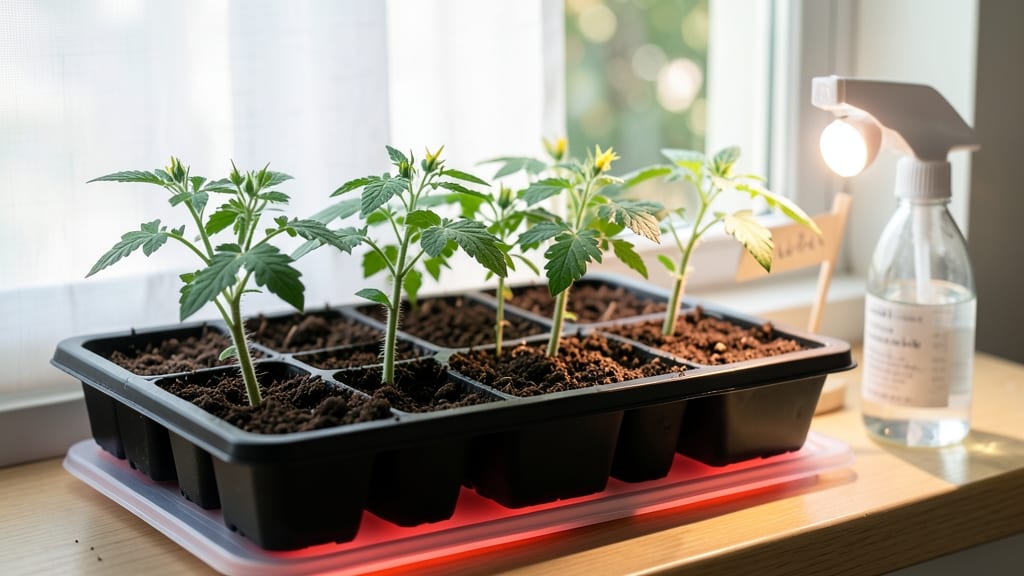
Starting tomato seeds indoors in Zone 7 is all about timing them 6–8 weeks before your last frost—usually by early February to early March for most gardeners.
Get this wrong, and you’ll either have leggy seedlings begging for space or tiny plants scrambling to catch up when the weather warms. I’ve seen both happen, and neither ends well with your 🍅 harvest on the line.
Zone 7’s average last frost date of April 15 means your countdown starts in late January or early February, depending on whether you’re growing early-maturing hybrids or heirlooms that need more time.
The key is balancing seedling strength with outdoor readiness—no one wants to rush a transplant after a late frost.
Below, I’ll break down the exact weeks to start, how to adjust for early or late frosts, and the 3 critical signs your seedlings are ready to graduate from indoors. No more guesswork—just a foolproof timeline for healthy, productive plants.
Zone 7 last-frost date calculator: exact weeks to start tomato seeds indoors
Getting your tomato seeds started indoors at the right time in Zone 7 is all about working backward from your last frost date. Since Zone 7’s average last frost falls between March 15 and April 15, your countdown begins here—but not all tomatoes play by the same rules.
Heirlooms and hybrids have different growth speeds, and even a week’s delay can throw off your harvest timeline. Let’s break down the exact math so you can set those seeds with confidence.
First, note that most tomato varieties need 6 to 8 weeks of indoor growing time before they’re ready to transplant. This includes the time it takes for seeds to germinate (usually 5–14 days), develop true leaves, and grow sturdy enough to handle outdoor conditions.
If you’re growing heirloom tomatoes, which often take longer to mature, you’ll want to err on the earlier side of this window.
Here’s the key formula for Zone 7: Last Frost Date – 8 weeks (for hybrids) to 10 weeks (for heirlooms) = Your indoor seed starting date.
For example, if your last frost is April 1, you’d start seeds between February 3 and February 18, depending on the variety. But this is just the starting point—local microclimates, seedling heat mats, and daylight hours can tweak your timeline further.
Before we dive into the specifics, let’s clarify one critical detail: Zone 7 isn’t uniform. Cities like Atlanta, GA or Richmond, VA might see their last frost as early as March 15, while areas like Raleigh, NC could push it to April 15.
Check your local USDA Plant Hardiness Zone Map or consult your cooperative extension service for precise data. Even a 10-day difference can mean the difference between a thriving plant and a frost-nibbled disappointment.
Let’s say your last frost is April 1 (a common date for many Zone 7 areas). If you’re growing hybrid tomatoes like Early Girl or Better Boy, you’d start seeds between February 3 and February 18.
For heirloom varieties like Brandywine or Cherokee Purple, which take longer to mature, you’d push that window back to January 22–February 3. This extra time ensures they’ll have enough vigor to produce fruit before cooler weather sets in.
But here’s where it gets tricky: seed germination speed varies. Some seeds pop up in 5 days with a heat mat, while others might take 2 weeks under cooler conditions. If you’re using organic seeds or older seed stock, add an extra 1–2 weeks to your timeline. Pro tip: Test a few seeds in a damp paper towel first to gauge their speed—this is called a germ
5 Critical factors that change your tomato seed starting timeline in Zone 7
Getting your tomato seeds indoors at the right time in Zone 7 isn’t just about counting back from the last frost date. Five key factors can shift your schedule by weeks—sometimes even months—if you don’t account for them.
I’ve learned this the hard way after watching seedlings outgrow their pots or get shocked by early transplants. Let’s break down what really moves the needle for your tomato seed starting timeline.
First, soil temperature plays a bigger role than most gardeners realize. Tomato seeds need warmth to germinate—ideally between 70–90°F. If your basement or seed-starting setup runs cooler, you’ll need a seedling heat mat to speed up germination.
Without one, your seeds might take 2–3 extra weeks to sprout, throwing off your entire transplant timeline. I once started seeds in a 60°F garage and lost nearly 10 days waiting for sprouts!
Next, daylight hours in Zone 7’s early spring can be a game-changer. Seedlings need 12–16 hours of light daily to avoid leggy, weak stems. If you’re relying on a south-facing window, you’ll likely need supplemental grow lights by late February.
Without enough light, your seedlings will stretch toward the sun, making them vulnerable to transplant shock later. I’ve had to adjust my schedule twice because I underestimated how quickly daylight increases in March.
Here’s where many gardeners trip up: transplant shock risk. Heirloom tomatoes, especially, take longer to recover from moving outdoors. If you start seeds too early, your seedlings might be overcrowded or root-bound by transplant time, leading to stunted growth.
I once transplanted 8-week-old seedlings and watched half of them struggle for weeks to recover. The sweet spot? Aim for 4–6 inches tall with 4–6 true leaves when hardening off.
🔍 5 Factors That Shift Your Tomato Seed Timeline
- 1. Soil Temp: 60°F = 2–3 extra weeks to sprout vs. 75°F. Use a heat mat if below 70°F.
- 2. Daylight: 12+ hours needed. Supplement with lights if window light drops below 14 hours/day in February.
- 3. Frost Date Variability: Zone 7’s last frost ranges March 15–April 15. Adjust start date if your area leans early/late.
- 4. Seedling Age: 4–6 weeks old at transplant = best recovery. Older seedlings risk transplant shock.
- 5. Heirloom vs. Hybrid: Heirlooms need 1–2 extra weeks to mature. Start them 2 weeks earlier than hybrids.
Pro Tip: Use a risk-assessment checklist for heirlooms—track leaf color, stem strength, and root development weekly.
Don’t overlook local frost date variability. While Zone 7’s average last frost is around April 15, some years it arrives as early as March 15 or as late as May 1. Check your local microclimate—valleys and low spots frost later, while hilltops warm up faster.
I once had to rush seedlings outdoors in early April because my neighbor’s yard (just 0.5 miles away) stayed frost-free while mine didn’t. A quick call to your local Cooperative Extension can save you from last-minute panic.
Finally, heirloom vs. hybrid varieties demand different timelines. Heirlooms like Brandywine or Cherokee Purple take 75–90 days to mature, while hybrids like Early Girl mature in 60–70 days. If you’re growing high-value heirlooms, start seeds 2 weeks earlier to account for their slower growth.
I once planted heirloom seeds on the same schedule as hybrids and ended up with half-baked tomatoes by October—hardly worth the effort!
Adjust your schedule based on these factors, and you’ll avoid the heartbreak of frost-nipped seedlings or underwhelming harvests. Next time, I’ll share my Zone 7 transplant checklist to ensure your seedlings make it outdoors without a hitch. 🌱