
Planting
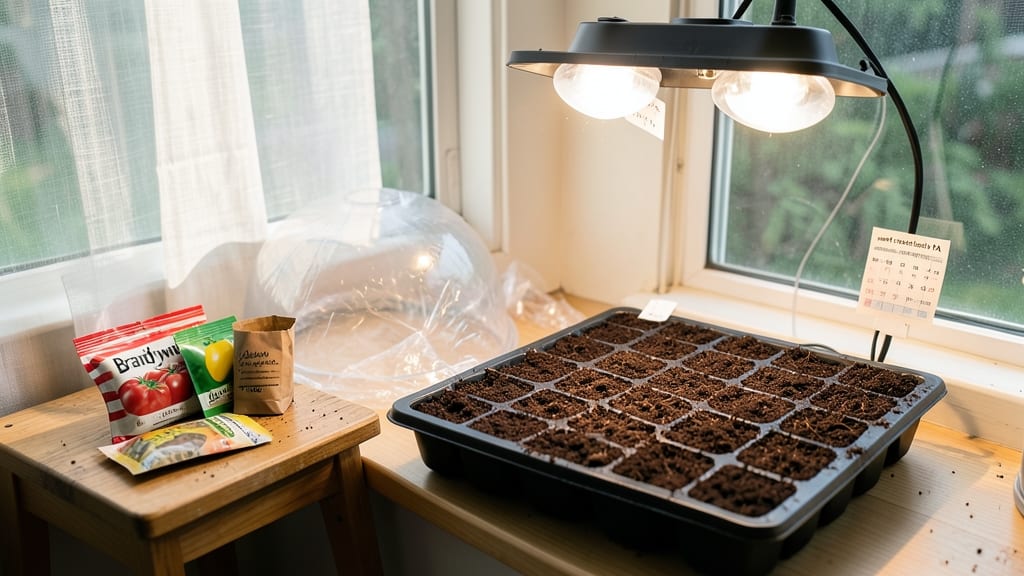
Starting seeds indoors in Pennsylvania requires timing them to your last frost date — usually mid-April to early May, depending on your zone — so seedlings are strong enough for transplanting without risking a late freeze.
Get it wrong, and you’re stuck with weak, leggy seedlings or plants that bolt before they even set fruit. I’ve seen both happen, and the difference between the two comes down to a few simple calculations using frost dates and plant maturity.
Pennsylvania’s zones range from 5a to 7a, meaning frost dates shift from late April in the north to early March in the south. That’s why a one-size-fits-all start date won’t work — but with the right formula, you can adjust for your exact location.
Here’s how to pinpoint your ideal window, which plants benefit from early starts, and how to avoid the most common pitfalls that turn seedlings into a gamble rather than a sure thing.
How to calculate PA seed-starting dates using frost zones and plant maturity
Pennsylvania's frost zones (5a-7a) create a 14-21 day difference in last frost dates—critical for timing your indoor seed starts. In Zone 5a (e.g., Erie), average last frost is May 15, while Zone 7a (e.g., Philadelphia) typically sees April 15.
These dates determine when seedlings can safely move outdoors, so getting them right prevents transplant shock.
Your plant's maturity timeline is equally important. A tomato plant needs 75-90 days to bear fruit, while basil matures in just 30-45 days. Starting seeds too early means crowded trays and leggy seedlings; too late risks stunted growth.
The key is working backward from your last frost date and subtracting days needed for each stage.
Here's the 3-step formula I use: Last frost date - seedling age at transplant - 2-3 weeks buffer = start date. For example, if your last frost is May 15 and you want to transplant 6-week-old peppers, start seeds by March 25.
This ensures seedlings are sturdy enough for outdoor conditions.
| Plant Type | Days to Maturity | Ideal Start Window (PA Zones) | Notes |
|---|---|---|---|
| Tomatoes | 75-90 days | Zone 5a: Mar 15-Apr 1 Zone 7a: Feb 20-Mar 15 |
Needs warm soil; transplant after May 15 |
| Peppers | 60-75 days | Zone 5a: Mar 1-Apr 1 Zone 7a: Feb 15-Mar 1 |
Slow starters; use heat mat |
| Leafy Greens (Lettuce, Spinach) | 30-45 days | Zone 5a: Feb 15-Mar 15 Zone 7a: Jan 15-Feb 15 |
Fast growers; can direct sow |
| Broccoli/Cabbage | 50-65 days | Zone 5a: Mar 1-Apr 1 Zone 7a: Feb 15-Mar 1 |
Cold-tolerant; transplant early |
| Basil | 30-45 days | Zone 5a: Apr 1-May 1 Zone 7a: Mar 15-Apr 15 |
Heat-loving; avoid frost |
For precise last frost dates, use the Almanac's PA Frost Calculator (available at almanac.com). Input your zip code to see historical averages—critical for Zone 5a gardeners, where late frosts can occur as late as May 31.
I always add a 14-day buffer to account for unexpected cold snaps.
Light is another non-negotiable factor. Seedlings need 12-16 hours of light daily—a south-facing window provides only 4-6 hours, leaving them leggy and weak. Invest in a grow light (LED or fluorescent) to supplement, especially in PA's overcast March/April.
I use a T5 fluorescent bulb on a 14-hour timer for consistent growth.
Transplant shock is the #1 killer of seedlings in PA, so harden off plants for 7-10 days before moving them outdoors. Start by placing trays near an open window for 2-3 hours/day, then gradually increase exposure.
For Zone 5a gardeners, wait until soil temps reach 60°F—use a soil thermometer to avoid false starts.
Adjust your schedule based on plant sensitivity. Cold-hardy crops like kale and peas can handle cooler soils, while tomatoes and peppers need warm soil (65°F+).
In my Zone 6a garden, I start peppers indoors by March 1 but wait until late April to transplant them, using black plastic mulch to warm the soil faster.
Pro tip: Keep a <
Best plants to start indoors early in PA (and when to avoid it)
Pennsylvania gardeners know that starting seeds indoors too early can lead to weak, leggy seedlings that struggle when transplanted. The key is selecting cold-hardy crops that benefit from early starts while avoiding heat-loving plants that prefer direct sowing.
In PA’s USDA Zones 5a-7a, timing varies by last frost dates (typically April 15-May 15), but some plants thrive with 6-8 weeks of indoor head start.
For example, broccoli, cabbage, and onions are perfect for early indoor starts because they tolerate cooler temperatures and benefit from a longer growing season.
These cool-season crops can handle PA’s unpredictable spring weather better than warm-season plants like cucumbers or beans, which prefer to be sown directly after the last frost.
Here’s a quick guide to help you decide which plants to start indoors early—and which to wait for:
✅ Start Indoors Early in PA
Start 8-10 weeks before last frost. Thrives in cool soil.
Start 6-8 weeks early. Resists bolting in heat.
Start 10-12 weeks early. Needs cold stratification.
Start 8-10 weeks early. Needs warm soil to germinate.
Start 6-8 weeks early. Requires strong light.
Wait until soil is 60°F+. Direct sow after last frost.
Sow directly when soil is warm. Hates transplant shock.
Fast-growing. Direct sow 2 weeks after last frost.
Sow directly in fall or spring. Avoids bolting.
Germinates in 4-7 days. Direct sow for speed.
Fast-growing herbs like basil and cilantro also don’t need early starts—they bolt quickly and prefer direct sowing. Meanwhile, heat-sensitive flowers like marigolds or nasturtiums can be started indoors but should be hardened off carefully before PA’s late spring frosts.
Pro tip: Use a seed-starting calendar based on your PA zone to avoid overcrowding your indoor space. For example, Zone 5a gardeners should start peppers by March 1, while Zone 7a gardeners can wait until March 15.
Adjust for your last frost date and plant maturity to ensure strong, healthy seedlings ready for transplanting.
Remember, light is critical for early starts—supplement with grow lights if your windows aren’t sunny enough. Weak seedlings from poor light won’t survive PA’s variable spring weather. With the right timing, you’ll have a head start on the garden and bountiful harvests by summer! 🌱