
How To
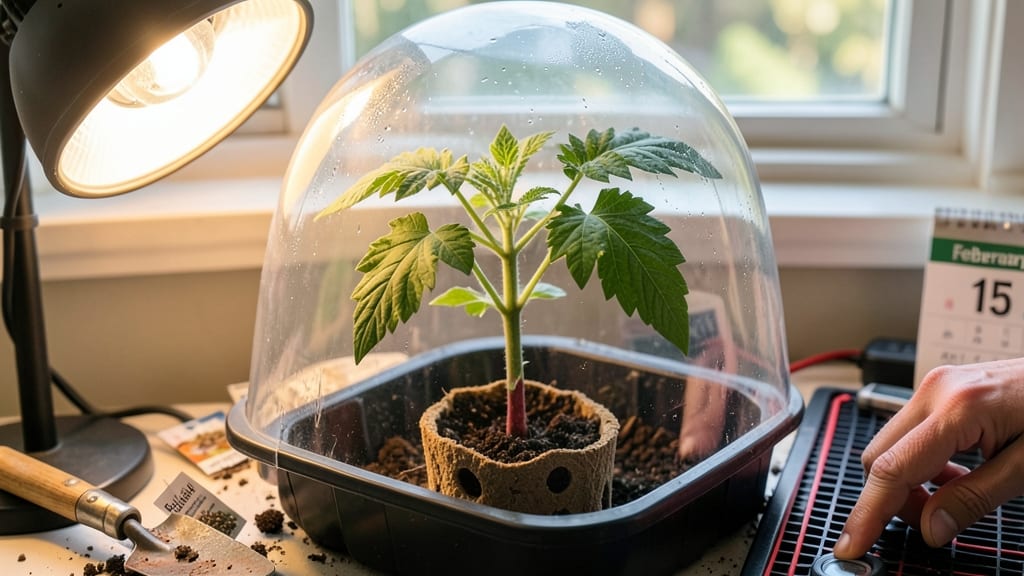
Starting seeds indoors in Ohio means timing them 6-8 weeks before your last frost—typically by early February for most General Vegetable Seeds 🌱—to beat the April 15 average.
Ohio’s unpredictable frost dates can turn seed-starting into a guessing game—but timing your indoor garden correctly means the difference between thriving plants and stunted seedlings. Here’s your plant-by-plant guide to mastering Ohio’s frost calendar.
If you’ve ever watched seedlings stretch toward a window only to bolt before transplanting, you know how critical the right start date is. Ohio’s USDA Zone 6a climate demands precision, especially for warm-season crops like tomatoes and peppers.
Below, I’ll break down the exact indoor start windows for 15+ Ohio-friendly plants, adjust for early/late frosts, and share pro tips to avoid common mistakes—so your garden hits the ground running.
Ohio’s frost dates by region: when to start seeds indoors for maximum success
Ohio’s five distinct climate zones create wildly different frost patterns—from the late-May frosts in the Appalachians to the early-April thaw in South-Central Ohio. Getting your seed-starting timeline wrong can mean wasted seedlings or stunted harvests.
The key? Knowing your USDA zone and adjusting for microclimates like urban heat islands or lake-effect cooling.
Most Ohio gardeners fall into USDA zones 5b-8a, but even within these zones, frost dates can vary by 2-3 weeks. For example, Toledo’s Northwest averages its last frost on April 20, while Athens in the Appalachians often waits until May 5.
Warm-weather crops like tomatoes and peppers need precise timing, while cool-season crops like lettuce and peas offer more flexibility.
Here’s your region-by-region breakdown of last frost dates, paired with the ideal indoor seed-starting windows for Ohio’s most popular crops. Use these as your garden’s GPS—because in Ohio, timing isn’t just about the calendar; it’s about surviving the weather whiplash.
For cool-season crops like lettuce, spinach, and peas, you can often start seeds 4-6 weeks before your region’s last frost date. These hardy plants tolerate light frosts and even thrive in 50°F soil.
In Northwest Ohio, that means March 15 for lettuce, while Appalachian gardeners can wait until April 1.
Warm-season crops like tomatoes, peppers, and cucumbers need 6-8 weeks indoors before transplanting. Start tomatoes in early February for South-Central Ohio but wait until late February in the Appalachians. Peppers take even longer—8-10 weeks—so begin them in January for the warmest zones (6b-7a) and February for cooler areas.
Ohio’s microclimates can shift your frost dates by 1-2 weeks. Urban areas like Columbus often warm up 5-7 days earlier than rural zones due to the heat island effect.
Conversely, lake-effect cooling near Lake Erie can delay last frosts by up to 10 days. Adjust your timeline by observing local weather patterns—check Almanac.com for your specific
Plant-by-plant indoor seed-starting timeline for Ohio gardens
Ohio’s variable frost dates make seed-starting timing tricky, but getting it right means the difference between bountiful harvests and wasted effort. My 8-week countdown accounts for Ohio’s USDA zones 5-8 and includes transplant shock buffers for Ohio’s unpredictable spring weather.
Whether you’re growing cool-season greens or heat-loving tomatoes, these start dates ensure your seedlings are ready when the soil thaws.
I’ve organized this timeline by plant maturity groups, accounting for Ohio’s average last frost date of April 15 (with adjustments for early/late zones). For example, broccoli and cabbage need a 7-8 week head start, while basil and cucumbers can wait until 4-6 weeks before transplanting.
Pro tip: Use a grow light if your windows don’t get 6+ hours of sunlight daily—Ohio’s short winter days make this essential.
🌱 Ohio Seed-Starting Countdown: Plant-by-Plant
- 1. Cool-Season Crops (Start 7-8 weeks before last frost)
- Broccoli, Cabbage, Kale: February 1-15 (Zone 5) / February 15-28 (Zone 6-8)
- Lettuce, Spinach, Peas: March 1-15 (all zones)
- Onions, Leeks: February 15-March 1 (Zone 5) / March 1-15 (Zone 6-8)
- 2. Warm-Season Crops (Start 4-6 weeks before last frost)
- Tomatoes, Peppers, Eggplants: March 15-April 1 (Zone 5) / March 22-April 15 (Zone 6-8)
- Basil, Cucumbers, Squash: March 22-April 1 (all zones)
- Beans, Corn: Direct sow after last frost (April 15-May 1)
- 3. Herbs & Fast-Growers (Start 3-5 weeks before last frost)
- Basil, Dill, Parsley: March 1-15 (all zones)
- Chives, Cilantro: February 15-March 1 (Zone 5) / March 1-15 (Zone 6-8)
- 💡 Ohio-Specific Tip: Add 1-2 weeks to start dates if your area has a history of late frosts (e.g., Appalachian regions). Use row covers to extend the season for cool crops.
For transplant shock prevention, I recommend hardening off seedlings for 7-10 days before moving them outdoors. Start by placing them in a shady, sheltered spot for 2-3 hours on day one, then gradually increase exposure.
Ohio’s humid springs can stress seedlings, so avoid transplanting during rainy periods—wait for clear, calm days with temperatures above 50°F.
Don’t forget to adjust for Ohio’s microclimates. If you’re in Northeast Ohio (Zone 5), start 2 weeks earlier than the average dates. For Southeast Ohio (Zone 7-8), you can delay starts by 1-2 weeks.
I always keep a planting journal to track local frost patterns—this helps refine your timing year after year. For example, my tomato seedlings in Zone 6 thrived when started on March 22, giving them time to mature before the June heat.
To stay organized, print this checklist and mark off each stage: ☑️ Week 1-2: Sow seeds in sterile seedling mix ☑️ Week 3-4: Provide 12-16 hours of light daily ☑️ Week 5-6: Fertilize with half-strength solution ☑️ Week 7-8: Begin hardening off process ☑️ Transplant: Bury stems deeper than usual for stability
Remember, Ohio’s short growing season demands precision. By following this timeline, you’ll avoid the heartbreak of frost-nipped seedlings or overgrown plants that bolt before harvest. Happy growing—your future homegrown tomatoes and crisp lettuce will thank you! 🌱