
How To
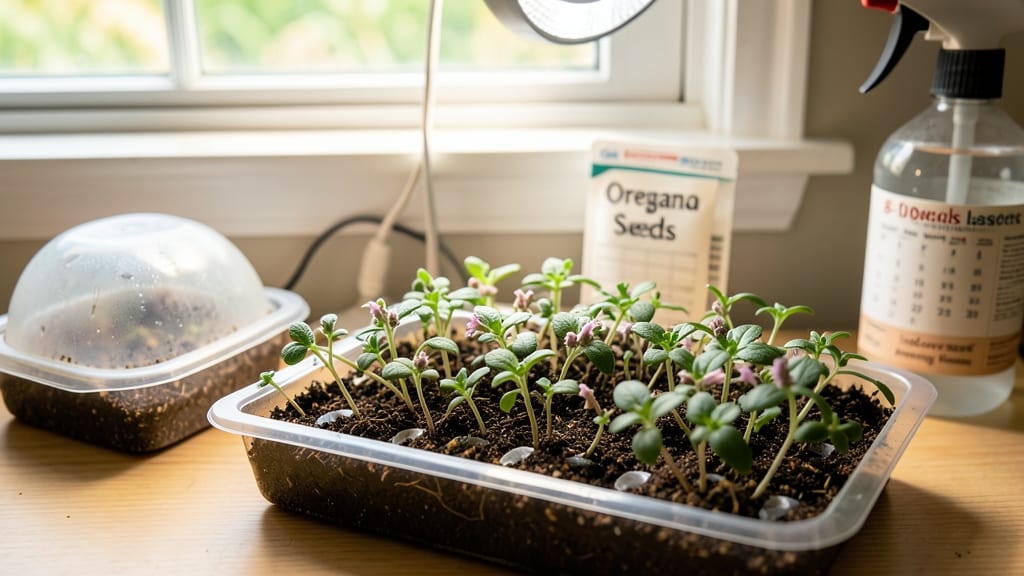
To start oregano seeds indoors, aim for 8 to 12 weeks before your last frost date—this timing ensures sturdy seedlings ready for transplanting 🌿.
Timing your oregano seeds indoors can mean the difference between a thriving herb garden and a sad, stunted plant—especially in colder climates where frost threatens tender seedlings.
Most gardeners in USDA Zone 6a (like me!) kick off their oregano seeds in late February or early March, giving them a head start before the April 15 frost date.
Below, I’ll break down the exact 8-week schedule, how to adjust for your climate, and the 3 key factors that determine whether your seedlings will thrive or flop.
Optimal indoor starting times for oregano seeds by US hardiness zones
Timing your oregano seeds indoors is all about working with your local climate and last frost date. Oregano thrives when transplanted outdoors after the soil warms to 60°F (15°C), so starting seeds 8-12 weeks before your last frost ensures strong, healthy seedlings ready for the garden.
In colder zones, this means beginning indoors as early as January, while warmer zones can wait until March or even April.
Your USDA hardiness zone dictates the perfect window for seed starting. For example, gardeners in Zone 3 (like Minnesota) need to begin indoors by late January, while those in Zone 10 (like Southern California) can start as late as February.
The key is aligning your indoor schedule with your outdoor growing season to avoid transplanting too early or too late.
Oregano seeds germinate best at 70-75°F (21-24°C), which is why a seedling heat mat becomes essential in cooler homes. Without one, germination can take 2-3 weeks longer, delaying your entire growing schedule.
I always use a heat mat set to 75°F for the first 10-14 days to ensure consistent sprouting.
| USDA Zone | Last Frost Date | Start Indoors By | Heat Mat Needed? | Transplant Ready By |
|---|---|---|---|---|
| 3-4 (e.g., Northern Plains) | May 1-15 | Late January | Yes (essential) | Late April |
| 5-6 (e.g., Midwest) | April 15-May 1 | Early February | Yes (recommended) | Early May |
| 7-8 (e.g., Southeast) | March 15-April 1 | Mid-February | No (optional) | Mid-April |
| 9-10 (e.g., Southwest) | February 15-March 1 | Late February | No | Early April |
If you're in Zone 3 or 4, starting oregano seeds indoors by late January gives you a 10-12 week head start before the last frost. This extra time is crucial because oregano seedlings grow slowly at first and need to develop a robust root system before facing outdoor conditions.
I’ve found that seedlings started this early often outperform those begun later, especially in short growing seasons.
For Zones 5-8, aim to start seeds by mid-February. This schedule accounts for a slightly longer growing season and allows you to transplant outdoors by early May.
If your home stays below 65°F (18°C) at night, use a heat mat for the first 2 weeks to speed up germination. Without one, you might see uneven sprouting or delayed growth.
Gardeners in Zones 9-10 have the most flexibility, with a late February start date working perfectly. The milder winters mean you can often transplant outdoors by early April, and oregano can even thrive as a perennial in these zones.
If you’re in a coastal area with cooler summers, extend your indoor growing time by 1-2 weeks to ensure seedlings are sturdy enough for transplanting.
One common mistake is starting oregano seeds too early and letting seedlings become overcrowded or leggy from insufficient light. To avoid this, use grow lights or place seedlings near a south-facing window for 12-14 hours of light daily.
If your seedlings stretch toward the light or develop weak stems, supplement with a T5 LED grow light placed 2-3 inches above the plants.
After your seedlings reach 3-4 inches tall and have 4-6 true leaves, they’re ready to harden off. This process involves gradually exposing them to outdoor conditions over 7-10 days to prevent transplant shock.
In Zones 3-5, I start hardening off in late April, while in Zones 6-10, early April works best. Always transplant on a cloudy day or in the late afternoon to reduce stress on the seedlings.
Remember, oregano is a perennial herb in many zones, so giving it a strong start indoors pays off for years
Key factors that determine your oregano seed starting window
Determining the perfect time to start your oregano seeds indoors depends on three critical factors: your local frost dates, your indoor growing conditions, and the viability of your seeds.
Miss the window, and you risk seedlings that are either too small for transplanting or too leggy from stretching toward light. Get it right, and you'll have hardy, flavorful oregano ready for your garden by spring.
First, check your last frost date—this is your anchor point. Most gardeners aim to transplant oregano seedlings outdoors 2-3 weeks after the last frost, when soil temperatures reach at least 60°F.
Count backward 8-12 weeks from that date to determine your indoor starting window. For example, if your last frost is April 15, start seeds between February 1 and March 1.
Next, consider your indoor growing setup. Oregano seeds need consistent warmth (70-75°F) and bright light (12-16 hours daily) to germinate and thrive. Without a grow light or south-facing window, seedlings may become etiolated (stretched and weak), delaying your transplant timeline.
Adjust your starting date earlier if your light conditions are subpar.
- 1. Frost Dates: Start 8-12 weeks before last frost for healthy seedlings. Use USDA Zone Map to estimate your date.
- 2. Indoor Light: Needs 12-16 hours of bright light daily. Use grow lights if natural light is insufficient.
- 3. Temperature Control: Maintain 70-75°F soil temps for germination. A heat mat helps in cooler homes.
- 4. Seed Viability: Use fresh seeds (1-2 years old) for higher germination rates. Test viability by soaking in water.
- 5. Humidity Levels: Keep 60-70% humidity with a humidity dome or tray of water.
- 6. Adjust for Early/Late Frosts: Start 2 weeks earlier if frost risk is high; delay 1 week later if frost is late.
Don’t overlook seed viability, either. Older seeds (2+ years) may germinate poorly, forcing you to replant or wait for a new batch. Test viability by soaking seeds in water for 24 hours—floating seeds are likely non-viable.
If your seeds are questionable, start them 2 weeks earlier to account for potential delays.
Finally, be flexible with early or late frosts. If your area experiences unpredictable weather, err on the side of caution. Starting seeds 2 weeks earlier gives you a buffer if frost arrives sooner than expected.
Conversely, if you’re in a region with delayed frosts, you can safely start seeds 1 week later without risking transplant shock.
With these factors in mind, you’ll have vigorous oregano seedlings ready to thrive in your garden—just in time for the growing season. Happy planting! 🌿