
How To
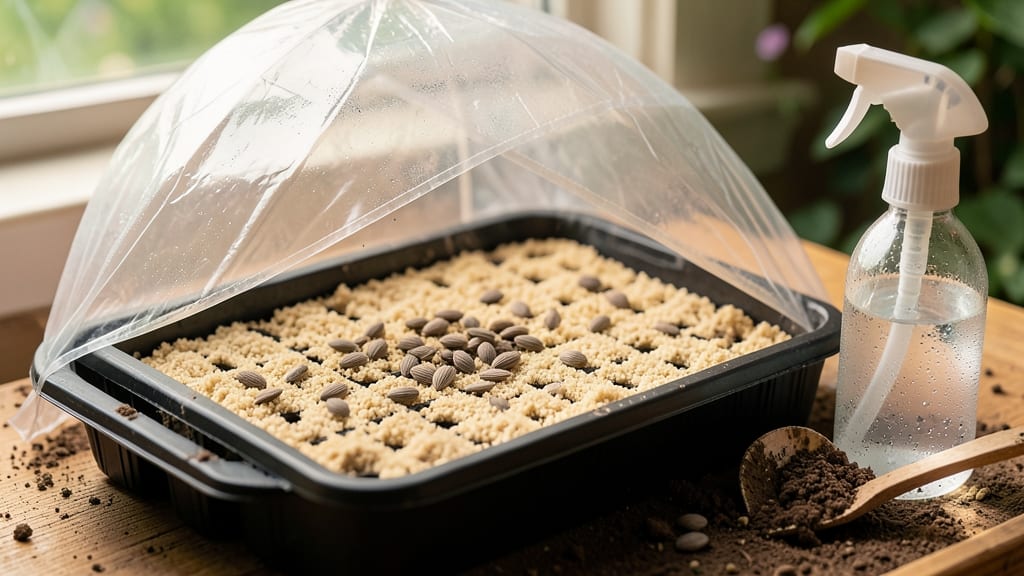
Starting luffa seeds indoors 8 weeks before your last frost date gives them the head start they need to outpace the season and deliver a bountiful harvest.
Picture this: you’re staring at a 10-foot vine with luffa gourds the size of your fist, all because you timed those tiny seeds just right. But miss the window, and you’ll end up with leggy, weak plants that never recover.
The difference between success and disappointment often comes down to a simple countdown.
Most gardeners in USDA Zone 6a kick off luffa seeds in early March, but your exact start date depends on your local frost-free timeline.
Whether you’re in a warm climate or a cooler one, the key is calculating backward from that first warm night—because luffa plants grow fast, but they need time to toughen up before facing the elements.
In this guide, I’ll walk you through the exact 8-week timeline, how to adjust for your region, and the indoor setup tricks that keep your seedlings strong until transplant day. No more guesswork—just healthy vines ready to take over your garden.
The exact 8-Week indoor starting timeline for luffa seeds
Luffa seeds need precise timing to thrive indoors before transplanting—get this wrong, and your vines may struggle to reach their full 20-foot potential. The 8-week indoor countdown ensures your seedlings develop strong roots and sturdy stems before facing outdoor challenges.
This science-backed timeline accounts for germination delays, light limitations, and transplant shock, giving your luffa gourds the best shot at a bountiful harvest.
Your starting window depends on your last frost date and local climate zone. For most gardeners in USDA Zones 6-9, this means beginning seeds indoors in late February to early March.
Tropical climates (Zones 10+) can start slightly later, while colder regions (Zones 1-5) may need to begin as early as January. The key is calculating 8 weeks before your average last frost date—adjust if you use grow lights or have limited sunlight.
Here’s your step-by-step 8-week timeline, including critical milestones like germination, true leaf development, and hardening off. Use this as your roadmap to avoid common pitfalls like leggy seedlings or underdeveloped roots.
Week 1 is all about germination. Luffa seeds thrive in warmth (75-85°F), so use a seedling heat mat if your home runs cooler. Plant seeds 1 inch deep in a sterile seedling mix—avoid garden soil to prevent damping-off disease.
Keep the soil consistently moist but never soggy, as luffa seeds rot easily when overwatered. A clear plastic dome or plastic bag creates a humid microclimate to speed up germination.
By Week 2-3, you’ll see those first cotyledon leaves (the baby leaves) emerge. This is when most gardeners panic about weak seedlings, but luffa gourds are slow starters. If your seedlings look leggy or pale, it’s a sign they need more light.
Supplement with a full-spectrum grow light 12+ hours daily—natural windows alone won’t cut it. At this stage, avoid fertilizing; the seeds have enough energy to sprout without extra nutrients.
Once your seedlings develop their second set of true leaves (around Week 4), it’s time to thin and fertilize. Luffa plants are competitive, so keep only the strongest seedling per pot. Use a balanced fertilizer (5-5-5) like fish emulsion at half-strength to avoid burning tender roots.
This is also when you should introduce a trellis indoors—even if it’s just a small stake—to train vines early and prevent future tangling.
Weeks 5-6 are critical for vine development. Your luffa seedlings will start to climb aggressively, so upgrade to 3-inch pots with drainage holes. If you’re using a south-facing window, rotate pots daily for even growth.
At this stage, increase light exposure to 14 hours/day to mimic long summer days. Watch for yellowing leaves, which signal nutrient deficiencies or overwatering—both common mistakes when starting luffa seeds indoors.
By Week 7, your seedlings should be 4-6 inches tall with 4-6 true leaves. This is when you begin hardening off, a gradual process to prepare them for outdoor conditions. Start with 1 hour of shade exposure and increase by 1 hour daily
Key factors that determine your luffa starting window
Luffa gourds thrive when started at the perfect time—too early, and you risk leggy seedlings; too late, and your harvest suffers from shortened growing seasons. Your starting window depends on three critical factors: your USDA climate zone, last frost date, and local microclimates.
For example, gardeners in Zone 8 can start seeds 2-3 weeks earlier than those in Zone 5 due to longer frost-free periods.
Even within the same zone, your elevation and urban heat islands can shift your ideal timing by weeks. High-altitude gardens often experience cooler soil temperatures, delaying direct sowing until late May or June, while city gardens may warm up faster.
Always check your local frost data—not just the average—for accuracy.
- Climate Zone: Start seeds indoors 4-6 weeks before your last frost date. Zone 5: March 1-15, Zone 8: February 15-March 1.
- Frost-Free Days: Luffa needs 120-180 days to mature. Count backward from your first frost to calculate your window.
- Soil Temperature: Wait until soil reaches 70°F+ for transplanting. Use a soil thermometer to avoid stunted growth.
- Microclimates: South-facing walls or greenhouses can extend your season by 2-3 weeks. Adjust timing if your garden benefits from these.
- Troubleshooting Delays: If seeds start late, opt for fast-maturing varieties (e.g., 'Tiger Luffa') or use row covers to protect young plants.
If you’re in a tropical or subtropical zone (like Florida or Hawaii), you can start luffa seeds year-round, but aim for spring or fall to avoid extreme heat. In these regions, focus on shade cloth during peak summer months to prevent stress.
Meanwhile, gardeners in short-season zones (e.g., Alaska or Canada) should prioritize container growing for easier indoor-outdoor transitions.
Don’t ignore unpredictable weather patterns—late frosts or early heatwaves can disrupt your timeline. I once had luffa seedlings ready for transplant in mid-April, only for a late frost to delay planting by 3 weeks.
To prepare, keep seedlings in grow lights and use heating mats to maintain 75°F soil temps until conditions improve.
For urban gardeners, balcony spaces or rooftops may limit your options, but vertical trellises and large containers (10+ gallons) can still accommodate luffa vines. Just ensure your container has drainage holes and you’re ready to move it indoors if nighttime temps drop below 55°F. 🌱
Pro tip: Bookmark your local cooperative extension service’s frost date maps—they update annually and account for climate shifts. Pair this with a gardening journal to track your own luffa’s progress year after year. With these factors in mind, you’ll nail your starting window every time! ✂️