
Plants
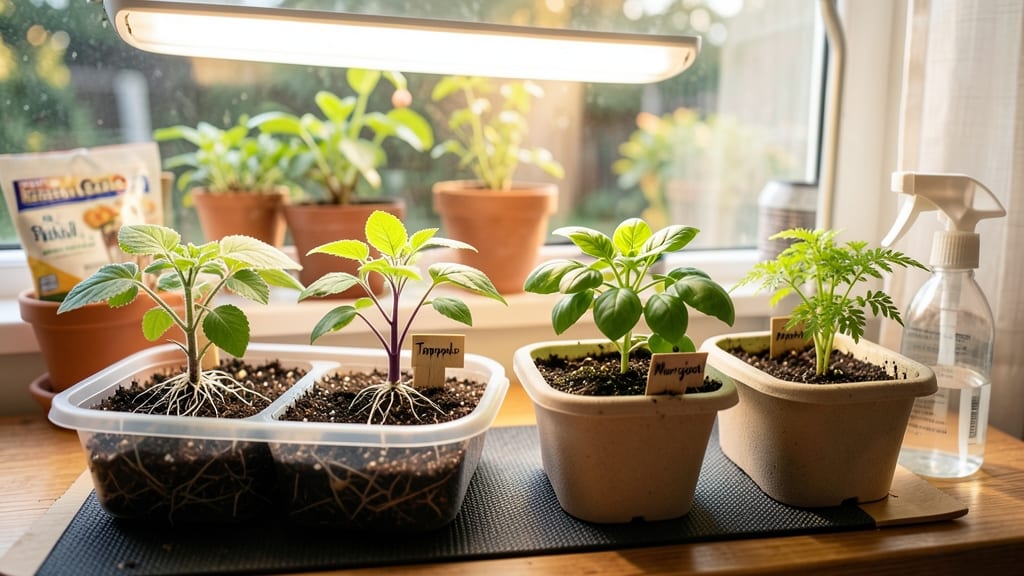
To plant seeds indoors at the right time means starting them 4-8 weeks before your last frost—a window that shifts dramatically depending on where you live and what you’re growing.
Picture this: you’ve got your seed trays ready, the grow lights are set up, and then—BAM—a late frost wipes out your seedlings before they even make it outside. Or worse, you plant too early and end up with leggy, overcrowded 🌱 that outgrow their containers before they’re ready.
Getting the timing right isn’t just about following a calendar; it’s about matching your plants’ needs to your local climate.
In Zone 6a, where the average last frost hits around mid-April, most gardeners kick off indoor planting in early February for cool-season crops like lettuce and spinach. But warm-season plants like tomatoes or peppers? Those need a later start—closer to March—to avoid bolting or stretching too tall before transplanting.
The key is knowing your frost dates, your plants’ maturity timelines, and how to adjust for microclimates (yes, even your backyard has its own little weather quirks).
Below, I’ll break down the exact schedules for different plant types, how to tweak them for early or late harvests, and the common mistakes that turn promising seedlings into a wasted effort. Ready to nail your indoor planting timeline?
Indoor seed planting schedule by heat Zone and plant type
Getting your indoor seed planting schedule right means the difference between robust seedlings ready for transplant and leggy, weak plants that struggle. Your USDA heat zone and last frost date are the two most critical factors—especially when balancing cool-season crops (like peppers) with warm-season greens (like spinach).
Let’s break down the perfect timing for your region.
Most gardeners start seeds indoors 4-8 weeks before the last frost, but this varies wildly depending on whether you’re growing tomatoes in Zone 5 or citrus in Zone 10.
For example, in Zone 3, you might begin peppers in February to avoid late-spring cold snaps, while in Zone 11, you can plant lettuce year-round with minimal adjustments.
Here’s your heat zone-specific schedule for common indoor-started plants, including frost-free date calculations and seedling maturity timelines to ensure you’re ready for outdoor transplant.
🌱
| Plant Type | USDA Zones | Indoor Start Window | Days to Maturity | Notes |
|---|---|---|---|---|
| Cool-Season Crops (Peppers, Tomatoes, Eggplants) | 3-7 | 6-8 weeks before last frost | 60-90 days | Start early; needs warm soil |
| Warm-Season Greens (Lettuce, Spinach, Kale) | 4-10 | 4-6 weeks before last frost (or late summer for fall harvest) | 30-50 days | Avoid bolting; use shade cloth in hot zones |
| Tropical Plants (Citrus, Avocado, Mango) | 9-11 | Year-round (adjust light for winter) | 120-365+ days | Slow growers; needs grow lights in winter |
| Herbs (Basil, Cilantro, Parsley) | All Zones | 4-6 weeks before last frost | 30-60 days | Basil bolts fast; start late in warm zones |
| Flowers (Marigolds, Petunias, Snapdragons) | 3-10 | 6-10 weeks before last frost | 45-90 days | Petunias need warmth; marigolds tolerate cold |
For cool-season crops like tomatoes and peppers, the key is to start seeds indoors 6-8 weeks before your last frost date. In Zone 5, where the average last frost is May 15, this means beginning seeds around March 15.
If you live in Zone 3, push it back to February 15 to account for earlier frosts.
In warmer zones like Zone 8-10, you can start warm-season greens like lettuce or spinach year-round, but timing matters for fall harvests. For example, in Zone 9, plant lettuce seeds indoors in August for a December harvest before winter slows growth.
Tropical plants like citrus or avocado are the exception—they thrive year-round in Zones 9-11 but need grow lights in winter to maintain growth. Start these seeds in winter months (December-February) for consistent indoor production, even if you’re not transplanting outdoors.
Pro tip: Use a seedling heat mat for cool-season crops to speed germination, especially in Zones 3-5. For warm-season greens, avoid overheating by using a shade cloth if your indoor temps exceed 75°F.
☀️
How to adjust your indoor planting timeline for early or late harvests
Getting your indoor seed planting timeline right is everything—especially when you're dealing with unpredictable weather or short growing seasons. Whether you're in Zone 5 and need an early start or in Zone 9 trying to avoid bolting, small adjustments can make a huge difference in your harvest.
The key is understanding how to extend or delay your planting window without sacrificing plant health.
For example, if you're growing tomatoes in a cooler climate, starting seeds indoors 6-8 weeks early ensures they'll be ready for transplant when soil warms up. Conversely, if you're growing lettuce in a hot climate, delaying planting until late summer prevents the plant from bolting too quickly.
Let’s break down the strategies you can use to fine-tune your schedule.
- Start warm-season seeds 6-8 weeks early in Zone 5 using heat mats to speed germination.
- Use succession planting every 2-3 weeks for leafy greens to stagger harvests.
- Apply light deprivation for long-day plants (e.g., poinsettias) to delay flowering.
- Delay cool-season crops until late summer in hot climates to avoid bolting.
- Extend growing season with row covers or greenhouses for late transplants.
One of the easiest ways to adjust your timeline is by using heat mats or grow lights to create ideal conditions for early starts.
For instance, if you're in Zone 4 and want to grow peppers, a heat mat can raise soil temperatures to the 75-85°F range needed for germination, allowing you to start seeds up to 10 weeks early. This gives your seedlings a head start before the last frost.
For plants like lettuce or spinach, which bolt quickly in hot weather, delaying your indoor start until late summer can help you avoid bitter leaves and premature flowering.
You can also use shade cloth or move seedlings to a cooler spot indoors to slow their growth until conditions improve outdoors.
Another powerful technique is succession planting. Instead of sowing all your seeds at once, space them out every 2-3 weeks. This ensures a continuous harvest and reduces the risk of overcrowding or wasted effort.
For example, if you're growing bush beans, starting a new batch every three weeks will give you fresh pods all season long.
Finally, don’t overlook light deprivation for plants like poinsettias or caladiums, which are sensitive to daylight length. By covering seedlings with a blackout box for 12-14 hours a day, you can delay flowering until you're ready for them to bloom, giving you more control over your harvest timing.