
Container Gardens
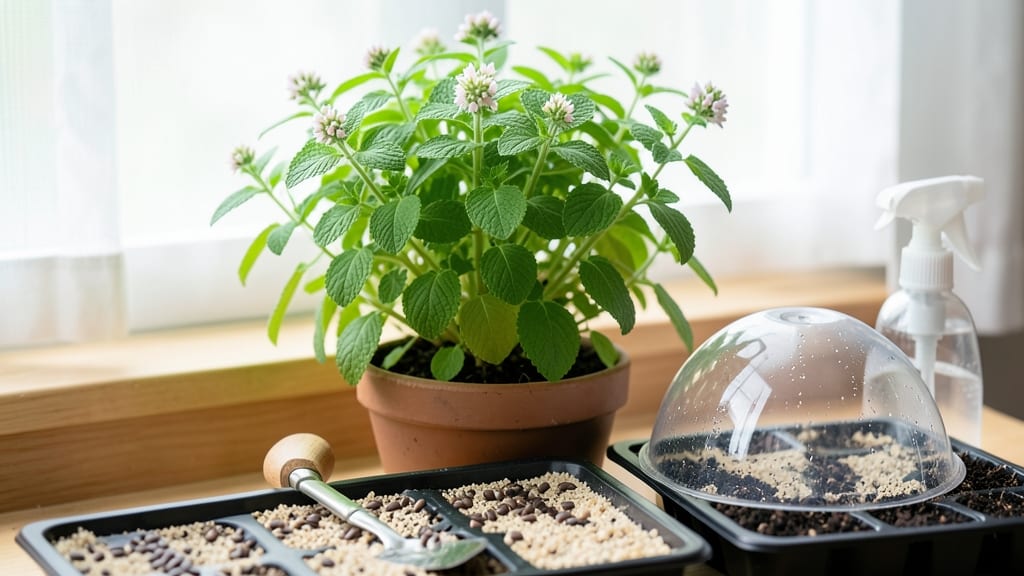
Starting lemon balm seeds indoors 6-8 weeks before your last frost date sets you up for a lush, productive herb garden—no more leggy, weak plants that flop when transplanted.
Timing your lemon balm seeds indoors can make the difference between a thriving herb garden and a sad, leggy failure—especially when you're racing against last frost dates. Too early, and you’ll battle weak seedlings; too late, and you’ll miss the growing season entirely.
Lemon balm thrives in USDA Zone 6a and loves spring’s mild temperatures, but even in the right climate, a miscalculated start can leave you with stunted growth. The key? Match your indoor start date to your region’s frost window and give seedlings the bright, consistent light they crave.
In this guide, I’ll walk you through the exact frost-date formula, common mistakes to avoid, and step-by-step prep to ensure your lemon balm seedlings are healthy and ready for transplant by early summer.
Lemon balm seed starting timeline: frost-date formula for perfect transplants
Getting your lemon balm seeds indoors at the right time means the difference between robust, fragrant plants and weak, leggy failures. Since lemon balm thrives in cool to warm temperatures and needs 6-8 weeks to reach transplant size, timing is everything.
Miss the window, and you risk either seedlings that are too small for outdoor conditions or plants that bolt too quickly in heat.
First, find your average last frost date—this is your anchor. For most U.S. regions, this falls between mid-April and mid-May, but it varies by USDA hardiness zone. Subtract 6-8 weeks from that date to calculate when to start seeds indoors.
For example, if your last frost is May 1, aim to start seeds between March 15 and April 1.
Here’s the key: Lemon balm grows quickly but needs consistent warmth (around 70°F) to germinate. Starting too early means weak seedlings that stretch toward light, while starting too late risks transplant shock when moving outdoors. The 6-8 week rule accounts for both germination time and hardening-off periods.
Regional differences matter. In Zone 5 or colder, start seeds indoors by late February to account for later frosts. In Zone 8 or warmer, you might delay until mid-March since frost dates are later.
Always check your local agricultural extension service for precise frost data—it’s the best way to avoid guesswork.
Now, let’s break down the exact seed starting timeline based on your frost date and zone. Use this comparison table to pinpoint your ideal indoor start window:
| USDA Zone | Avg. Last Frost | Start Seeds Indoors | Transplant Outdoors | Notes |
|---|---|---|---|---|
| Zone 3-4 | May 10-15 | March 15-April 1 | May 15-20 | Use grow lights; extend season with row covers. |
| Zone 5-6 | April 25-May 10 | March 1-April 15 | May 10-20 | Hardening off is critical; protect from late frosts. |
| Zone 7-8 | April 1-May 1 | February 15-March 15 | April 15-May 10 | Can direct sow in early spring if soil is workable. |
| Zone 9-10 | January 1-February 15 | January 1-February 10 | February 20-March 15 | May transplant after last frost; prefers cooler weather. |
Once you’ve picked your start date, keep seedlings indoors under grow lights or near a south-facing window for 12-14 hours of light daily. Lemon balm seedlings need bright, indirect light to avoid stretching.
Without enough light, they’ll grow tall and weak, making them prone to transplant shock when moved outdoors.
About 2 weeks before transplanting, begin the hardening-off process. Move seedlings outdoors for 2-3 hours daily, gradually increasing exposure. This toughens them up for the temperature swings and wind they’ll face in the garden.
Skip this step, and your lemon balm may struggle to adapt, leading to stunted growth or even death.
Transplant outdoors when seedlings have 4-6 true leaves and soil temperatures are consistently above 50°F. Choose a spot with partial shade—morning sun and afternoon shade work best.
Lemon balm is hardy once established, but young plants need protection from extreme heat or cold. Mulch around the base to retain moisture and regulate soil temperature.
Pro tip: If you’re in a warmer climate (Zones 9-10), you can direct sow lemon balm seeds outdoors in early spring or fall. However, starting seeds indoors gives you an earlier harvest and more control over growing conditions, especially if you’re dealing with limited garden space or pests.
Lemon balm seed starting mistakes that kill germination (and how to avoid them)
Starting lemon balm seeds indoors is easier than you think—but even small mistakes can turn your seedlings into sad, stunted plants. The most common culprits? Incorrect soil temperature, overwatering, and poor light exposure.
These issues don't just slow growth; they can kill germination entirely before your seedlings even sprout.
I’ve seen gardeners rush the process, only to end up with weak, leggy seedlings that struggle to survive transplanting. The good news? Most of these mistakes are preventable with the right knowledge. Let’s break down the biggest pitfalls—and how to fix them before they happen.
⚠️ Critical Mistake: Starting Too Early or Too Late
Lemon balm seeds need 6-8 weeks indoors before transplanting outdoors. Starting too early (before February) risks damping off from excess moisture and weak seedlings. Starting too late (after March) may leave plants too small to handle outdoor conditions before the last frost.
Solution: Use your last frost date as a guide. Subtract 8 weeks for a safe indoor start window (typically mid-January to early February in most US zones). Adjust for shorter days in northern climates by using grow lights.
Another silent killer is soil that’s too cold. Lemon balm seeds need consistent warmth (70-75°F) to germinate. If your soil is below 60°F, seeds may rot in the soil or never sprout at all.
I’ve seen gardeners place trays on unheated windowsills only to watch their seeds fail—don’t make that mistake!
Overwatering is just as deadly. While lemon balm loves moisture-rich soil, soggy conditions lead to fungal diseases like damping off. The fix? Use well-draining seed-starting mix and water only when the top inch feels dry. A spray bottle keeps seeds evenly moist without drowning them.
Light deprivation is the third major villain. Without enough bright, indirect light, seedlings stretch toward any available light source, becoming weak and spindly. Place your trays near an east-facing window or supplement with LED grow lights (12-16 hours/day). I swear by clipped LED bulbs for budget-friendly setups!
Finally, skipping the hardening-off process can shock seedlings into early death. Before transplanting, gradually expose seedlings to outdoor conditions over 7-10 days. Start with 1-2 hours of shade and work up to full sun. This toughens up their cell walls so they’re ready for the real world.
By avoiding these common mistakes, your lemon balm seedlings will germinate strong, grow fast, and thrive in your garden. Happy growing—your future harvests will thank you! 🌱🍋