
How To
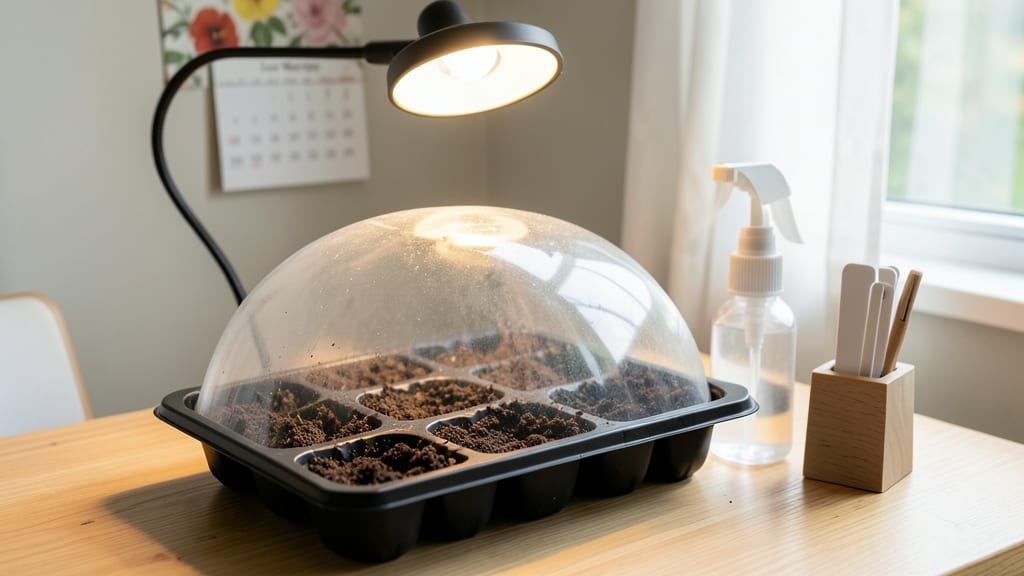
Start nasturtium seeds indoors 4–6 weeks before your last frost—this simple timing rule keeps your 🌼 transplants sturdy and ready to thrive outdoors.
Timing your nasturtium seeds indoors can mean the difference between thriving edible flowers and leggy, weak transplants—yet most gardeners miss the optimal window by weeks.
Nasturtiums grow fast, but they need a head start to beat the spring chill. Whether you're in USDA Zone 6a or further south, knowing your frost date is the key to avoiding overcrowded trays or seedlings that bolt too soon.
Below, I’ll walk you through the exact formula, zone-specific tweaks, and the 3 essentials for indoor setup—so your nasturtiums hit the garden strong and ready to harvest by June.
The exact frost-date formula for starting nasturtium seeds indoors
Nasturtiums are one of the easiest edible flowers to grow, but timing your indoor seed start correctly ensures strong, healthy transplants. The key lies in calculating your last frost date and working backward using germination rates and transplant readiness.
Skip this step, and you risk leggy seedlings or plants that bolt too quickly.
Most nasturtium varieties germinate in 7-14 days and need 4-6 weeks indoors before transplanting. Start too early, and seedlings will outgrow their containers; too late, and they’ll struggle to establish before frost. My formula simplifies this with a three-step calculation that adapts to your USDA zone.
First, find your average last frost date using the USDA Plant Hardiness Zone Map. For example, in Zone 6a (like much of the Midwest), the last frost typically falls around April 15.
Count backward 4-6 weeks to determine your indoor start date—this gives seedlings enough time to develop 2-3 sets of true leaves before transplanting.
Next, account for germination time. Nasturtium seeds often sprout in 7-14 days, but cooler indoor temperatures can delay this. If your home stays below 65°F (18°C), start seeds 2 weeks earlier to compensate. Use a seedling heat mat if germination stalls after 2 weeks.
Finally, adjust for transplant shock. Nasturtiums are resilient, but they still need 1-2 weeks to recover after moving outdoors. If your zone has a short growing season (like Zones 3-5), aim for the earlier end of the 4-6 week window to maximize harvest time.
In warmer zones (9-10), you can start slightly later but monitor for bolting if days lengthen too quickly.
Pro tip: Mark your calendar with three key dates—your indoor start date, transplant date, and harvest window. Nasturtiums can produce flowers in as few as 30 days from seed, but well-timed starts yield heavier blooms and more edible leaves for salads.
For fall harvests, repeat the process in late summer using your first frost date as your anchor. Nasturtiums thrive in cooler weather, making them perfect for extended-season gardening. Just reduce your indoor time to 3-4 weeks before the first frost to avoid overwintering challenges.
Remember, light is critical during indoor growth. Place seedlings within 2-3 inches of a grow light or a south-facing window to prevent leggy stems. Without enough light, nasturtiums stretch toward any available source, weakening their stems and reducing transplant success.
By following this frost-date formula, you’ll avoid the most common mistakes—starting too early (overcrowded seedlings) or too late (weak transplants). With the right timing, you’ll enjoy vibrant blooms and peppery leaves all season long. 🌼
How to adjust timing for your climate zone (and avoid common mistakes)
Your USDA climate zone dictates the perfect window for starting nasturtium seeds indoors. In Zones 3-6, aim for 4-6 weeks before your last frost date, while gardeners in Zones 7-10 can push timing to 6-8 weeks before due to milder winters.
For example, if your last frost is April 15, Zone 6 gardeners should start seeds around March 1-15, while Zone 9 gardeners can wait until February 15-March 1.
Nasturtiums grow quickly, but overcrowding and underwatering are common pitfalls. Seedlings need at least 2 inches of space between plants to avoid competition. Thin seedlings early to prevent leggy growth, which signals insufficient light.
Even fast-growing nasturtiums can suffer if they're cramped in tiny containers—this leads to weak stems and poor flower production.
⚠️ callout-warning ⚠️
⚠️ Zone Timing Mistakes That Kill Seedlings
Starting too early in Zones 7-10 risks overgrown seedlings before outdoor planting. Starting too late in Zones 3-6 leads to weak transplants struggling with early frost. Use a frost-date calculator (like the USDA Plant Hardiness Map) to adjust your 4-6 week window by ±2 weeks based on your zone.
For fall harvests, extend your season by starting a second batch of seeds 8-10 weeks before your first frost. Nasturtiums thrive in cooler weather, and a late planting can yield edible flowers well into October.
In Zones 3-5, this means starting seeds around July 15-August 1 for a September-October harvest. Use row covers to protect tender seedlings from early autumn chills.
Watch for warning signs like yellowing leaves or stunted growth, which often mean overwatering or poor drainage. Nasturtiums prefer well-draining soil and moderate moisture. Let the top inch of soil dry between waterings—soggy conditions invite fungal diseases like powdery mildew.
A south-facing window or grow lights ensures seedlings get the 6+ hours of light they need daily.
In warmer zones (7-10), you can even direct-sow nasturtiums outdoors as early as February for a spring harvest. However, if you're starting indoors, harden off seedlings for 7-10 days before transplanting.
Acclimate them to outdoor conditions gradually by moving them to a shaded, protected area for a few hours each day. This reduces transplant shock and ensures stronger plants.
Pro tip: Mark your calendar with your last frost date and count backward 4-6 weeks for your indoor starting window. Adjust by ±1 week if your zone is warmer or colder than average.
With the right timing, you’ll enjoy vibrant nasturtium blooms and peppery edible flowers all season long! 🌼