
How To
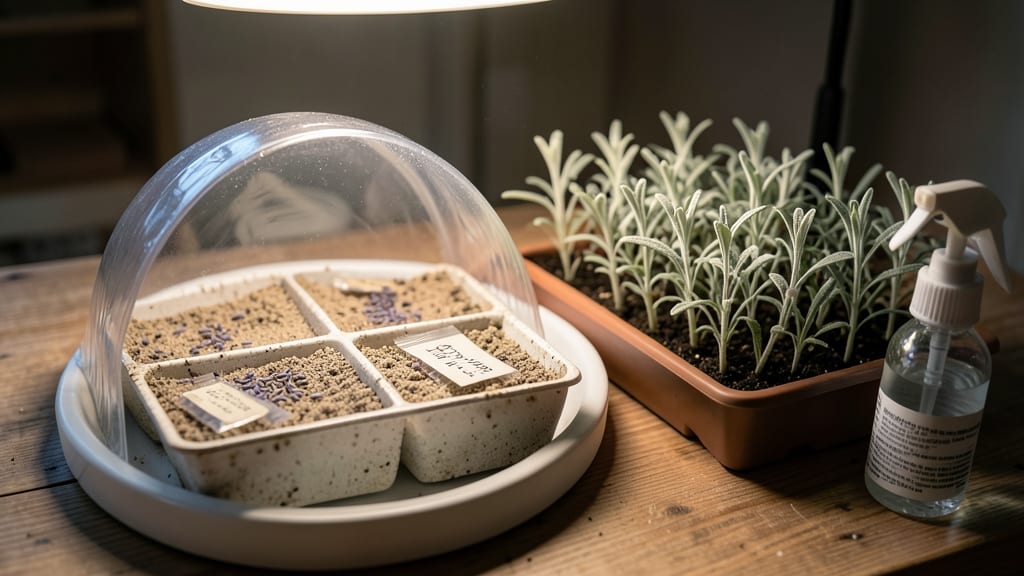
To start lavender seeds indoors, aim for 8 weeks before your last frost date — typically late January to early February in most regions.
Timing is everything when growing lavender from seeds—start too early, and you’ll risk leggy, weak plants; too late, and frost will kill your seedlings.
Lavender 🌿 thrives when given enough time to develop strong roots before facing outdoor conditions, especially in USDA Zone 6a where frost lingers until mid-April.
Below, I’ll walk you through the exact 8-week schedule, regional adjustments, and the critical mistakes that can derail your lavender’s growth before it even leaves the house.
Optimal indoor starting dates for lavender seeds by USDA Zone
Growing lavender from seeds indoors requires precise timing to ensure your seedlings are strong enough for outdoor transplanting before the last frost. Since lavender is a slow grower, starting 8-12 weeks before your average last frost date is critical for success.
In colder zones, this means beginning indoors as early as January, while warmer zones can wait until March. The key is aligning your indoor schedule with your USDA zone's frost dates to avoid weak or frost-killed seedlings.
Lavender seedlings take longer to mature than many herbs, so rushing the process often leads to leggy, weak plants that struggle outdoors. My rule of thumb? Aim for 4-6 true leaves and a sturdy stem before transplanting—this typically takes 8-10 weeks indoors under ideal conditions.
Below, I’ve broken down the exact indoor starting windows for each USDA zone to help you plan accordingly.
Why this schedule works: Lavender thrives in cooler temperatures and well-draining soil, making it sensitive to both overcrowding indoors and sudden temperature shifts outdoors. By following these zone-specific dates, you’ll give your seedlings the best chance to develop a robust root system and woody stems before facing outdoor conditions.
For example, if you’re in Zone 6 with an average last frost date of April 15, you should start your lavender seeds indoors between February 15 and March 15. This gives you a 10-week window to grow sturdy seedlings before transplanting.
In Zone 9, where frost is rare, you can start as early as January 15 for a March transplant, but be mindful of summer heat—lavender prefers cooler temperatures.
Pro tip: Use a seedling heat mat to speed up germination, which can take 2-4 weeks for lavender. I’ve found that maintaining a soil temperature of 70-75°F during germination significantly improves success rates.
Once sprouted, keep seedlings under grow lights for 14-16 hours daily to prevent legginess—a common issue with lavender seedlings.
Another critical factor is hardening off, which should begin 2 weeks before transplanting. Gradually expose your seedlings to outdoor conditions for 1-2 hours daily, increasing exposure over time.
This process helps them adjust to wind, sunlight, and temperature fluctuations, reducing transplant shock. Skip this step, and you risk losing your seedlings to stress or pests.
If you’re in a coastal zone, like Zone 7 near the ocean, your frost dates may be later than inland areas. Check local weather records or use the National Weather Service’s frost date calculator to fine-tune your schedule.
For instance, coastal California’s Zone 7 might have a last frost date in March, while inland Zone 7 could see frost until April. Adjust your indoor start date accordingly.
Finally, remember
Key factors that determine the best indoor start time for lavender
Determining the perfect time to start lavender seeds indoors depends on three critical factors: your local frost dates, the slow growth rate of lavender seedlings, and your microclimate variations.
Unlike fast-growing annuals, lavender takes 8-12 weeks to reach transplant size, so timing is everything. Coastal areas may have milder winters, while inland regions face harsher frosts—both require adjustments to your schedule.
First, calculate your last average frost date (find it via the USDA Plant Hardiness Zone Map). Then, work backward 8-10 weeks to determine your indoor sowing window. For example, if your last frost is May 15, start seeds between March 1 and March 15.
This ensures seedlings are robust enough to handle outdoor conditions without shock.
Lavender seedlings are notoriously slow starters, often taking 14-21 days to germinate and another 6-8 weeks to develop strong roots. If you live in a cooler climate (Zones 3-5), begin indoors by early February to avoid rushing.
In warmer zones (Zones 7-10), a late February to early March start works best.
-
📅 Frost Dates
Start seeds 8-10 weeks before your last frost date. Use the USDA Zone Map to estimate yours.
-
🌱 Seedling Growth Rate
Lavender takes 10-12 weeks to reach transplant size. Don’t rush—slow starts are normal!
-
☀️ Microclimate Adjustments
Coastal areas: Add 2 weeks to your schedule. Inland zones: Subtract 1 week for earlier starts.
-
⏰ Light Requirements
Supplement with grow lights (14-16 hours/day) to prevent leggy seedlings. Lavender needs full sun from day one.
Your local microclimate plays a surprising role in lavender timing. Coastal gardens often enjoy warmer winters and later frosts, so you can delay starts by 1-2 weeks compared to inland areas.
For example, a gardener in San Diego (Zone 10) might start seeds in early March, while someone in Denver (Zone 5) should begin by late January. Always err on the side of caution—better to have strong, stocky seedlings than leggy, weak ones.
Adjust your schedule if you notice slow germination or stunted growth. Lavender seeds often take longer to sprout in cooler indoor temps (below 70°F). If your seedlings struggle, extend your indoor growing period by 2-3 weeks or use a heat mat to speed up germination.
Remember, lavender thrives on patience—don’t rush the process!
Finally, account for transplant shock by hardening off seedlings for 7-10 days before moving them outdoors. Start hardening off when nighttime temps consistently stay above 50°F.
This gradual adjustment ensures your lavender adapts to outdoor conditions without stress, setting the stage for a fragrant, healthy plant for years to come. 🌿