
How To
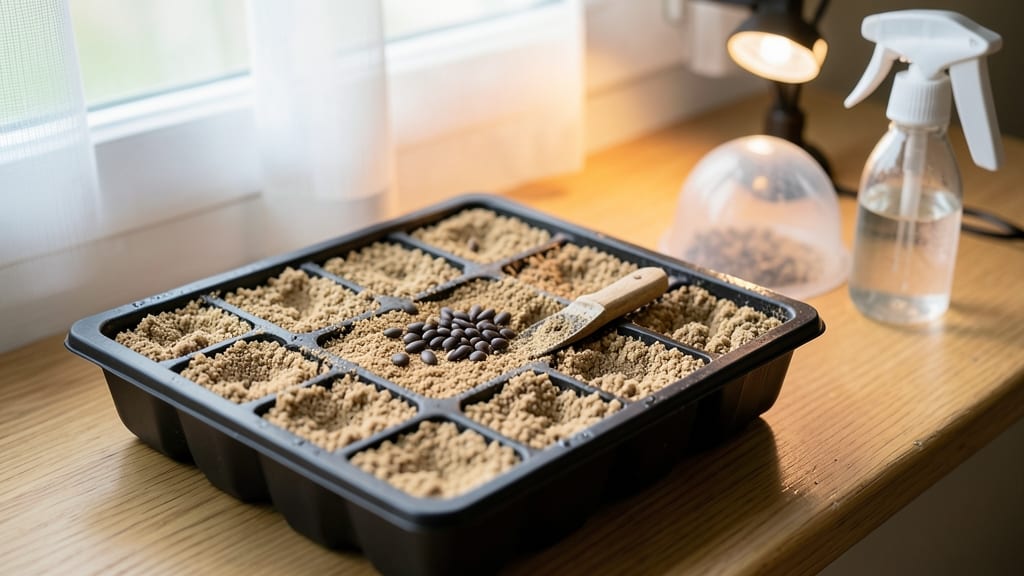
Starting delphinium seeds indoors 10–12 weeks before your last frost date is the secret to those towering, 🌸 dreamy blooms that steal the show in summer.
Picture this: you’ve got 8–10 weeks until frost, and your seedlings are already stocky and ready to transplant—no leggy, weak stems in sight. But miss that window, and you’re either stuck with etiolated seedlings or bolting plants that never bloom.
Timing isn’t just about the calendar—it’s about your USDA zone, local frost patterns, and even the type of delphinium you’re growing. Too early, and you’ll waste space; too late, and frost steals your dream garden before it even begins.
Here’s exactly how to nail that 10-week countdown, including zone-specific start dates, the ideal soil and light setup, and the one mistake that kills delphinium seeds before they even sprout.
Optimal indoor starting timeline for delphinium seeds by USDA Zones
Delphinium seeds need 10-12 weeks indoors before transplanting outdoors to reach their full 4-6 foot height and produce those iconic spike-like blooms. Starting too early leads to leggy, weak seedlings, while waiting too long risks bolting or frost damage.
Your USDA zone determines the perfect indoor start window—here’s how to calculate it.
Delphiniums thrive when transplanted at 4-6 inches tall with 3-5 sets of true leaves. This means counting backward from your last frost date—typically 10-12 weeks before planting outdoors. For example, if your last frost is April 15, start seeds indoors by January 1-15 for Zone 6a.
Why timing matters: Delphiniums are daylength-sensitive and need 12+ hours of daylight to develop strong stems. Starting too early in short winter days can cause etiolation (stretched, weak growth), while late starts may result in premature bolting (flowering before reaching full height).
For Zones 3-4, where winters are harsh, start seeds by mid-February to ensure they’re hardy enough for early May planting. Use grow lights to supplement the short daylight hours and maintain 12+ hours of light daily to prevent leggy growth.
In Zones 5-6, the sweet spot is January 15-February 15. This gives seedlings enough time to develop strong root systems before the last frost, typically around April 15. These zones offer the best balance for delphinium height and bloom strength.
Gardeners in Zones 7-10 can start slightly later, from mid-November to mid-December. The milder climates allow for longer indoor growth periods, but avoid starting too late—delphiniums may bolt prematurely if exposed to long daylight hours too soon.
Pro tip: Use a seedling heat mat (70-75°F) to speed up germination, which typically takes 14-21 days. Once sprouted, move seedlings to a sunny window or under grow lights for 14-16 hours daily to prevent stretching.
After transplanting outdoors, stake delphiniums immediately—their tall, top-heavy stems need support. Mulch heavily to retain moisture and prevent bolting from temperature fluctuations. With the right timing, your delphiniums will reward you with dramatic, long-lasting blooms from mid-summer to fall.
Critical factors that determine your delphinium seed starting window
Timing your delphinium seeds for indoor starts isn’t just about counting backward from frost dates—it’s about understanding how local climate, seedling growth rates, and daylength sensitivity interact. These factors dictate whether your seedlings will be sturdy enough for transplanting or leggy and weak.
For example, in USDA Zone 5, you might start seeds in early February, while Zone 9 gardeners wait until January. Let’s break down the five critical variables that shape your perfect starting window.
First, frost dates are your anchor point. Delphiniums need 10-12 weeks indoors before facing outdoor conditions. But this timeline shifts if you’re in a microclimate—like an urban heat island—where frost arrives later.
Always check your local frost calendar and adjust by ±2 weeks if needed. For instance, a late frost in Zone 6 could push your start date to late February instead of mid-January.
Delphiniums are long-day plants, meaning they respond to increasing daylight. Start seeds when daylight hours exceed 12 to trigger optimal growth. In the northern hemisphere, this typically aligns with late winter (February-March).
Seeds germinate best at 65–75°F soil temps. Use a seedling heat mat if your home runs cooler. Cold soil slows germination, delaying your 10-week countdown. Test soil temps with a thermometer—aim for consistency to avoid uneven sprouting.
Delphinium seedlings grow 1–2 inches per week under ideal conditions. If your climate has a short growing season (e.g., Zone 3), start seeds earlier to compensate. Conversely, in longer seasons (Zones 8–10), you can delay starts by 2–3 weeks without risking frost damage.
Cities like Chicago or NYC can have 5–10°F warmer nights than rural areas, delaying frost. Monitor local weather stations for heat island effects. Adjust your start date 1–2 weeks later if your area holds warmth longer.
Delphiniums need 14–16 hours of light daily. If your indoor setup lacks sufficient sunlight, supplement with grow lights immediately after germination. Weak light causes etiolation (elongated, weak stems), making seedlings prone to breakage during transplanting.
Adjusting for these factors ensures your delphinium seedlings hit the 3–4 inch mark by transplant time—ideal for sturdy stems that support their 4–6 foot height. For example, if you’re in Zone 7 with a late frost, push your start date to early March.
Conversely, in Zone 4’s shorter season, begin by late January. Every garden is unique, so trust your local data over generic charts.
Pro tip: Keep a seedling journal to track growth rates in your specific setup. Note when you hit key milestones (e.g., first true leaves, 2-inch height) to refine future timing. With these adjustments, you’ll avoid the heartbreak of frost-nipped blooms or floppy, unproductive plants.